





Breaking Down the Numbers
On November 2, 2026, during the pre-Diwali rush, a staggering 1.6 million passengers travelled on Delhi Metro's driverless trains. This figure represents roughly one in every five of the network's massive eight million daily passengers on that day. To
put that into perspective, the number of people using the automated services in a single day exceeds the entire population of some Indian states. This milestone highlights a growing public trust and reliance on a technology that was introduced in India just six years ago. The record was set on a day when total network boardings surged to over 8 million, partly driven by festive travel and traffic restrictions.
The Automated Corridors
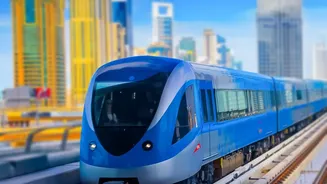
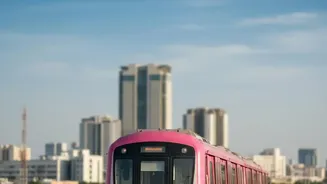
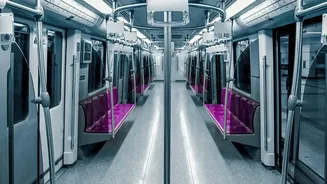
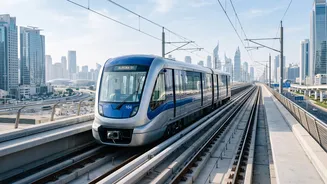
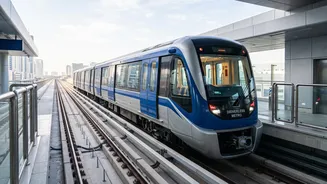
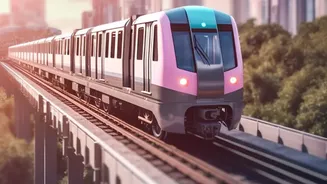
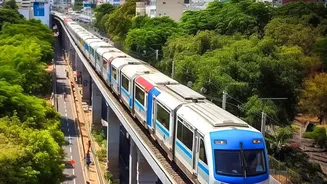
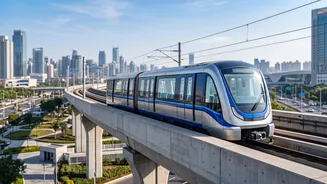
This significant ridership is concentrated on two key lifelines of the Delhi Metro network: the Magenta Line and the Pink Line. These are currently the only two corridors equipped with the Unattended Train Operation (UTO) system. Together, they form a driverless network spanning approximately 120 kilometres, which accounts for nearly 30% of the entire Delhi Metro system. The Magenta Line was the first to pioneer this technology in India in December 2020, with the Pink Line following suit in 2021. With 100 UTO trains now in operation across these lines, Delhi Metro operates one of the largest driverless networks in the world.
How Driverless Technology Works
The term 'driverless' can sound futuristic, but it's powered by proven and reliable technology. The system, officially called Unattended Train Operation (UTO) or Grade of Automation 4 (GoA 4), relies on Communication-Based Train Control (CBTC). This advanced signalling system uses continuous radio communication between the train and a central control centre to manage movement, speed, and braking with high precision. According to DMRC Managing Director Vikas Kumar, this automation brings more flexibility, reduces the possibility of human error, and improves the availability of coaches for service. The trains conduct exhaustive self-tests before starting their daily service, further enhancing reliability.
Efficiency, Safety, and Jobs
One of the key benefits of driverless operations is efficiency. The automated system allows for higher frequency of trains, potentially reducing passenger waiting times and easing congestion, especially during peak hours. While the technology is designed to be extremely safe by minimizing human error, it has sparked debate around its high initial costs and the impact on jobs. However, the DMRC has clarified that no train operators have been laid off due to automation. Instead, around 3,000 operators have been redeployed to other crucial roles like station management and crowd control, using their skills to enhance the overall commuter experience.
A Blueprint for India's Future Cities?
Delhi's success story is turning heads across the country. With metro systems now operational in 26 Indian cities, the question of whether to adopt driverless technology is becoming more pressing. Proponents argue that it's a necessary step towards modernizing urban transport, improving efficiency, and ensuring safety. Critics, however, caution against blindly following global trends, suggesting that India should conduct its own cost-benefit analysis, considering factors like lower staffing costs compared to developed nations. As Delhi plans to expand its driverless network to nearly 200 kilometres with ongoing projects, its experience will serve as a crucial case study for the rest of the nation.