



The Power of a Proper Label
A box without a label is a mystery waiting to become a headache. To save your future self from rummaging through a dozen identical containers, commit to a clear and consistent labeling system. Instead of a vague term like “Papers,” be specific. For example:
“Financial Records: 2020-2025” or “Children’s School Artwork: 2018-2022.” Professional archivists recommend using printed labels for legibility or clear, block printing. Consider a numbering system where each box gets a unique number. This number can then correspond to a master inventory list, kept as a digital spreadsheet or in a physical notebook, detailing the contents of each box. This extra step allows you to find exactly what you need without lifting a single lid.
Dating: The Key to Content Management
Dates provide crucial context that a content description alone cannot. There are several dates to consider. First is the date range of the documents inside, such as “Tax Documents: 2019-2023.” This immediately tells you the period the contents cover. Second is the date you packed the box. More importantly, for business or financial records, you should include a destruction date. Many documents only need to be retained for a specific period for legal or tax purposes. For example, the IRS generally recommends keeping tax records for three to seven years. Knowing the destroy-by date prevents you from holding onto unnecessary paperwork indefinitely, making future purges simple and systematic. For personal items without a legal retention period, the date range helps you understand the story of what’s inside at a glance.
Defining a ‘Safe’ Storage Location
Not all storage spaces are created equal. The term 'safe' refers to protection from environmental threats that can cause irreversible damage. The biggest enemies of paper and other sensitive materials are extreme temperatures, humidity, pests, and light. Attics and basements are often the worst offenders; attics suffer from extreme heat that can make paper brittle, while basements are prone to dampness, which encourages mould and mildew. A climate-controlled environment is ideal, with a stable temperature between 18-22°C and relative humidity between 40-55%. If you must use a less-than-ideal space, take protective measures. Always use metal or plastic shelving to keep boxes off the floor, protecting them from potential water damage and pests.
Protection from Pests and Other Threats
Beyond climate, physical threats can ruin your archives. Cardboard boxes are a feast and a nesting ground for pests like cockroaches, rodents, and silverfish. For truly long-term or valuable storage, consider switching to airtight plastic containers with secure lids. These provide a much stronger barrier against pests, moisture, and dust. Never store food or scented items like candles near your archive boxes, as these can attract unwanted visitors. Also, keep boxes away from direct sunlight or fluorescent lighting, as UV rays can cause fading and deterioration. Finally, ensure the storage area is clean and check on your boxes periodically. Simply opening the door to air out the space can help mitigate moisture buildup.
Building Your Archiving System
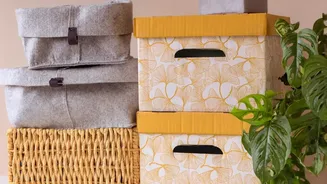
Creating a system doesn't have to be complicated. Start by gathering your materials: archival-quality boxes or plastic bins, folders, labels, and markers. Use acid-free materials for items you want to preserve for decades, as standard cardboard can degrade paper over time. Sort your items into logical categories before you begin boxing them up. As you pack, create your labels and fill out your master inventory list. Be disciplined—a well-organized system is only effective if you use it consistently. Set a routine, perhaps at the end of each year, to transfer inactive records into your archive. This small, regular effort prevents the overwhelming task of dealing with years of accumulated clutter all at once.