







The Change of Seasons
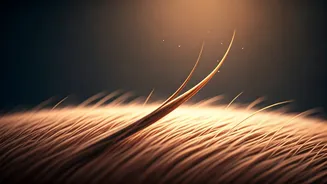
If you notice your hair shedding more during certain times of the year, you’re not imagining it. Many people experience seasonal shedding, particularly in the late summer or early autumn. Think of it like trees shedding leaves. One theory suggests that
our hair follicles have an evolutionary memory, retaining more hair during the summer to protect the scalp from sun and then shedding it as the season changes. This type of shedding is typically diffuse, meaning it happens all over your head rather than in patches, and it usually resolves on its own within a few months. For many in India, the monsoon season is another common trigger, with the high humidity and environmental changes often leading to increased hair fall.
Stress Is a Major Culprit
Whether it’s due to a demanding job, a personal crisis, or even a positive but stressful life event like a wedding, high levels of stress can have a direct impact on your hair. A sudden shock or prolonged period of intense stress can push a large number of hair follicles into the resting (telogen) phase. This condition is known as telogen effluvium. The shedding doesn't happen immediately; it typically occurs about three months after the stressful event. The good news is that once the stressor is removed or managed, your hair growth cycle should return to normal. Incorporating stress-management techniques like meditation, exercise, or simply making time for hobbies can make a significant difference.
A Closer Look at Your Diet
Your hair is made of protein, so it’s no surprise that what you eat directly affects its health. A diet lacking in key nutrients can be a major reason for increased shedding. Deficiencies in iron, zinc, protein, and essential fatty acids are common culprits. For example, low iron levels (anaemia) are a well-documented cause of hair loss, particularly in women. Similarly, crash dieting or rapid, significant weight loss can shock your system and trigger shedding. To support healthy hair growth, focus on a balanced diet rich in lean proteins (dal, paneer, eggs), leafy greens (for iron), nuts and seeds (for zinc and omega-3s), and a variety of fruits and vegetables.
Hormonal Ups and Downs
Hormones are powerful messengers that regulate countless bodily functions, including your hair growth cycle. Any significant fluctuation can lead to temporary hair loss. This is commonly seen after pregnancy (postpartum hair loss), when oestrogen levels drop dramatically. It can also occur when starting, stopping, or changing hormonal contraceptives. Conditions like Polycystic Ovary Syndrome (PCOS) and thyroid disorders are also characterized by hormonal imbalances that can cause hair thinning. If you suspect a hormonal issue, it’s crucial to consult a doctor who can run the necessary tests and recommend an appropriate course of action.
The Aftermath of an Illness
Just like emotional stress, physical stress from an illness can trigger telogen effluvium. If you’ve recently recovered from a high fever, a severe infection (like COVID-19), or undergone surgery, you might notice significant hair shedding two to three months later. This is your body’s way of diverting energy and resources away from non-essential functions like hair growth to focus on recovery. While seeing clumps of hair fall out can be alarming, this type of shedding is almost always temporary. As your body fully recovers, your hair will begin to grow back.
Re-evaluating Your Hair Care
Sometimes the cause is more straightforward: your hair care routine. Frequent use of heat styling tools, tight hairstyles like high ponytails or braids that pull on the roots (traction alopecia), and harsh chemical treatments can weaken the hair shaft and cause breakage that looks like shedding. While this isn’t true shedding from the follicle, it still results in less volume and more hair on your brush. Be gentle with your hair. Use a wide-tooth comb on wet hair, apply a heat protectant before styling, and give your hair regular breaks from tight styles and harsh treatments.