





Understanding the Gut-Brain Axis
The gut-brain axis is a complex, two-way communication network connecting your gastrointestinal tract and your central nervous system. Think of it as a constant conversation. When you feel anxious and get butterflies in your stomach, that’s the brain talking
to the gut. Conversely, the state of your gut can send signals that impact your emotional and cognitive state. This intricate system relies on several pathways, including the vagus nerve, which acts as a superhighway for information traveling between your digestive system and your brain. The trillions of bacteria living in your gut—collectively known as the gut microbiome—are key players in this dialogue, producing compounds that can influence everything from anxiety levels to mental clarity.
The Critical Role of Fermentable Fiber
So where does food come in? Specifically, fermentable fiber plays a starring role. Also known as soluble fiber or prebiotics, this type of fiber isn't digested by your body. Instead, it travels to your colon, where it becomes food for your beneficial gut bacteria. As these microbes feast on fermentable fiber, they produce powerful compounds called short-chain fatty acids (SCFAs), such as butyrate, propionate, and acetate. These SCFAs are more than just waste products; they are a crucial currency for your body and brain, influencing inflammation, immune function, and even gene expression. Different types of fiber are fermented at different rates, providing a sustained release of these beneficial compounds.
How a Healthy Gut Can Boost Mood and Focus
The benefits of a fiber-fed microbiome extend directly to your brain. SCFAs, particularly butyrate, can cross the protective blood-brain barrier, where they exert several positive effects. They help reduce neuroinflammation, which is linked to mood disorders. Furthermore, these compounds support the production of Brain-Derived Neurotrophic Factor (BDNF), a protein that is essential for the growth and survival of brain cells, often described as fertilizer for the brain. A healthy gut microbiome also plays a role in producing neurotransmitters. In fact, a large percentage of your body's serotonin—a key mood-regulating chemical—is made in the gut. By nourishing your gut bacteria with fermentable fiber, you are creating an environment that supports better neurotransmitter signaling and overall brain health, leading to improved mood and sharper focus.
Top Foods Rich in Fermentable Fiber
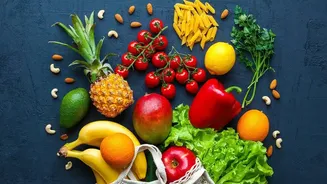
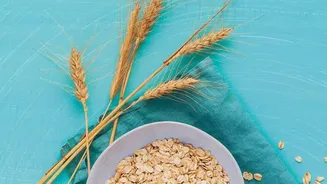
Incorporating more of these foods into your diet can help nourish your gut and, by extension, your brain. Variety is key, as different fibers feed different types of beneficial bacteria. Good sources include: Onions, Garlic, and Leeks: These kitchen staples are rich in inulin and fructooligosaccharides, powerful prebiotics that fuel healthy gut flora. Oats and Barley: Both contain beta-glucans, a type of highly fermentable soluble fiber known for its health benefits. A bowl of oatmeal is a great way to start the day. Legumes: Lentils, chickpeas, and black beans are fiber powerhouses, providing a mix of soluble and insoluble fiber to support your microbiome. Apples, Berries, and Citrus Fruits: These fruits contain pectin, a soluble fiber that is readily fermented by gut bacteria. Asparagus and Jerusalem Artichokes: These vegetables are particularly high in prebiotic fibers that are a favorite food for beneficial microbes. Slightly Unripe Bananas: Greenish bananas are a great source of resistant starch, a type of fiber that functions as a prebiotic and is fermented slowly in the colon.
How to Start and Stay Consistent
If your current diet is low in fiber, it's wise to increase your intake gradually. A sudden jump can lead to temporary bloating or gas as your microbiome adjusts. Start by adding one new high-fiber food every few days and be sure to drink plenty of water, which helps fiber do its job effectively. Simple swaps can make a big difference. Try switching from white bread to whole-grain or sprouted-grain bread, adding a handful of beans to a salad, or snacking on an apple instead of chips. Focusing on whole foods is generally better than relying on supplements, as you also get the added benefits of vitamins, minerals, and antioxidants that work together to support your overall health.