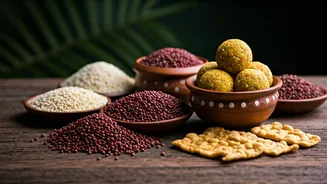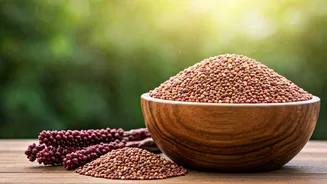




Why Ragi is the Perfect Monsoon Grain
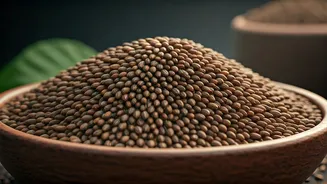
The monsoon season, while offering respite from the heat, often brings concerns like lowered immunity and sluggish digestion. This is where swapping white rice for ragi, or finger millet, can be highly beneficial. Ragi is considered a warming food, which
helps in keeping the body comfortable during the damp and cool weather. Its high fibre content promotes healthy digestion and prevents constipation, a common issue during this season. Moreover, ragi is packed with antioxidants and essential minerals like iron and zinc, which are vital for boosting the immune system and fighting off seasonal infections.
Nutritional Showdown: Ragi vs. White Rice
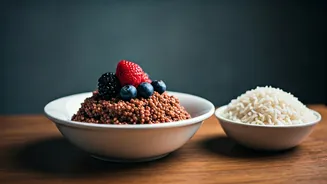
When placed side-by-side, the nutritional difference between ragi and white rice is stark. Ragi is a powerhouse of nutrients. It has significantly higher levels of calcium, iron, and dietary fibre compared to polished white rice. For instance, 100 grams of ragi contains about 344mg of calcium, which is crucial for bone health, whereas rice contains negligible amounts. Ragi also has a lower glycemic index, which means it releases sugar into the bloodstream slowly. This helps in managing blood sugar levels and provides sustained energy, preventing the lethargy that can sometimes follow a rice-heavy meal.
Starting Small: Easy Ways to Introduce Ragi
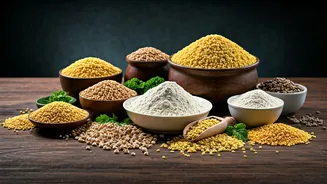
Making a complete switch overnight can be daunting. A great way to start is by mixing ragi flour with your regular rice or wheat flour. Begin by adding a small proportion of ragi flour, say 1 part ragi to 4 parts rice flour for dosas or idlis. You can also mix ragi flour with whole wheat flour to make chapatis. This gradual introduction helps your palate adjust to the earthy, nutty flavour of ragi. Another simple method is to prepare ragi porridge or malt, which can be a nutritious breakfast alternative to a bowl of rice kanji.
Delicious and Healthy Ragi Recipes
Once you get comfortable with the taste, you can explore a variety of dishes where ragi is the star. These recipes are not only healthy but also delicious and monsoon-friendly. Ragi Dosa: There are several ways to make ragi dosa. You can make an instant version by mixing ragi flour with rice flour and sooji, or a fermented version for better gut health. A batter made of soaked whole ragi grains and urad dal, without any rice, also yields incredibly soft dosas. Ragi Mudde: A staple in Karnataka, ragi mudde or balls are made by cooking ragi flour in water until it forms a thick, dough-like consistency. These are traditionally swallowed, not chewed, and served with a flavourful sambar or leafy greens curry, making for a wholesome meal. Ragi Idli: Soft, spongy idlis can be made by replacing rice with ragi. A batter of ragi and urad dal, when fermented and steamed, results in nutritious, dark-coloured idlis that are light on the stomach. They pair perfectly with coconut chutney or sambar for a comforting monsoon breakfast.
Tips for Cooking Perfect Ragi
Cooking with ragi flour can be tricky for beginners. Because it is gluten-free, it doesn't bind as easily as wheat flour. When making rotis or flatbreads, using hot water to make the dough is essential. This technique helps in bringing the flour together and makes the rotis easier to roll. For porridges and malt, to avoid lumps, always mix the ragi flour with cold water or milk to form a smooth paste before adding it to the hot liquid. Roasting the ragi flour lightly in a dry pan before using it can also enhance its nutty flavour and remove any raw taste.