





What is the 'No-Insurance-No-Fuel' Proposal?
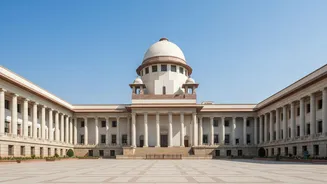
The Supreme Court has directed the central government, in consultation with the Insurance Regulatory and Development Authority of India (IRDAI) and the Ministry of Road Transport and Highways (MoRTH), to develop a pilot project to enforce mandatory vehicle
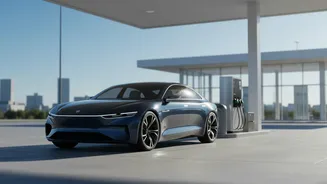
insurance. The core idea is simple: petrol pumps would be equipped with a system, possibly using Automatic Number Plate Recognition (ANPR) cameras, to instantly verify if a vehicle has a valid third-party insurance policy. If the vehicle is found to be uninsured, the fuel pump could refuse to dispense petrol or diesel. The goal is not to introduce a new law—third-party insurance is already mandatory under the Motor Vehicles Act—but to enforce the existing one much more strictly.
The Staggering Scale of the Problem
The push for such a drastic measure comes from a shocking statistic. According to a recent report from the Standing Committee on Finance, nearly 56% of vehicles on Indian roads are uninsured. That translates to a staggering 16.5 crore out of approximately 30.5 crore registered vehicles operating without the legally required third-party cover. This has devastating consequences. When an uninsured vehicle is involved in an accident, victims often face a harrowing and prolonged legal battle to receive any compensation, especially in cases of death or permanent disability, as there is no insurance company to pay the claim. The court noted that this reality often defeats the entire purpose of the statutory safeguard for accident victims.
The Immediate Impact on Uninsured Owners
If implemented, the policy's effect would be immediate and disruptive for a vast number of citizens. Forgetting to renew a policy or being unable to afford it would no longer just risk a fine if caught; it could immobilise a person's vehicle. This would impact daily commuters, gig economy workers like delivery drivers who depend on their two-wheelers, farmers transporting goods, and small business owners. An individual could be stranded at a fuel station, unable to get to work or complete a crucial journey, simply because their insurance has lapsed. The rule would turn every fuel stop into a potential point of compliance failure, adding a new layer of stress to vehicle ownership.
Practical Hurdles and Feasibility Questions
The proposal is fraught with logistical challenges. It relies on a seamless, real-time link between fuel pumps and a constantly updated national database of insured vehicles, like VAHAN. How would this work in rural or remote areas with unreliable internet connectivity? What happens if the database is down or contains an error? Petrol pumps would become the de facto enforcement points, potentially leading to arguments, long queues, and chaos. There is also the risk of attendants facing pressure or being offered bribes to bypass the system, creating new avenues for corruption. The sheer volume of transactions—millions every hour—means any technological friction could bring transport to a standstill.
A Fair Solution or a Blunt Instrument?
While the objective is laudable, critics question the fairness of the approach. Many vehicle owners, particularly in lower-income brackets, remain uninsured not out of defiance, but due to high costs, lack of awareness, or complex renewal processes. This policy could disproportionately penalise the most vulnerable, who may be forced to choose between essential expenses and an insurance premium. Instead of addressing the root causes of non-compliance, the 'no fuel' rule acts as a blunt punitive measure. It focuses on the symptom—uninsured vehicles—rather than the disease, which is a mix of economic pressure and poor access to and understanding of financial products.