

The Nutritional Power-Up
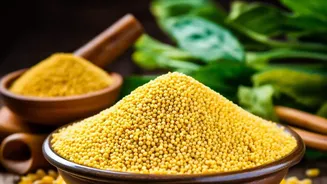
The primary driver behind this shift is a collective move towards better health. For years, refined flour, or maida, has been a staple. Yet, the refining process strips it of essential nutrients and fibre. Millets, on the other hand, are nutritional powerhouses.
Grains like jowar, bajra, and ragi are packed with protein, fibre, vitamins, and minerals like iron, magnesium, and calcium. Unlike refined carbs that can cause sharp spikes in blood sugar, most millets have a low glycemic index, which helps in managing blood sugar levels and aids in weight management. Many are also naturally gluten-free, making them an excellent alternative for those with gluten sensitivity or celiac disease. This impressive nutritional profile offers a simple way to fortify daily meals without sacrificing flavour.
A Delicious Return to Tradition
This trend is more than just a health fad; it's a rediscovery of India’s agricultural and culinary roots. For centuries, before wheat and rice became dominant, millets were the cornerstone of diets across the subcontinent. They were the food of our ancestors, perfectly adapted to local climates and celebrated for their resilience. The current revival is partly fuelled by a sense of nostalgia and a desire to reconnect with these traditional food systems. Initiatives like the government's promotion of 2023 as the 'International Year of Millets' have also significantly boosted awareness, reminding people of the forgotten wisdom embedded in our own heritage. By bringing millets back to the table, families are not just eating healthier; they are reclaiming a piece of their cultural identity.
Meet the Millet Family
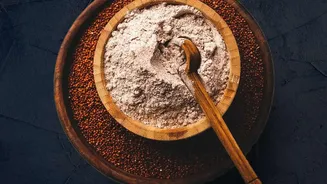
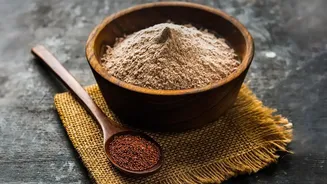
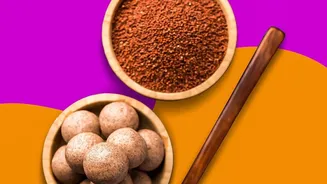
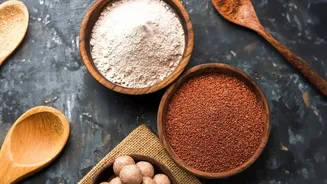
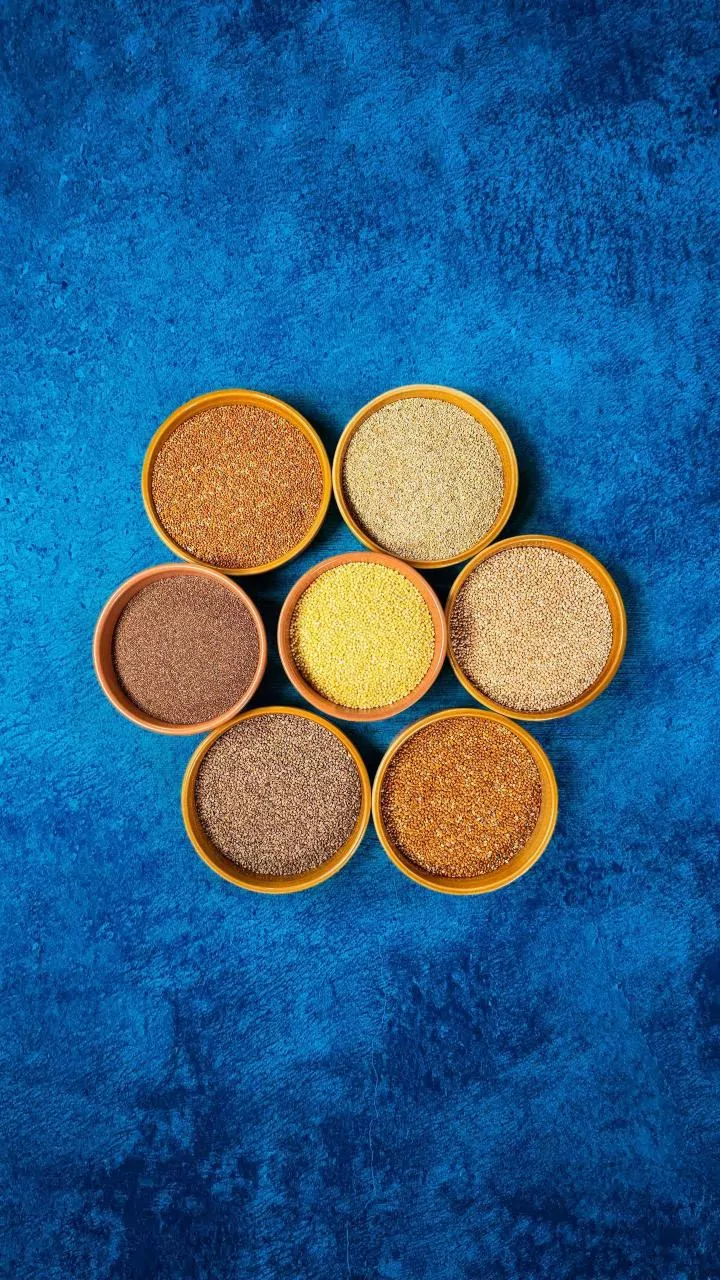
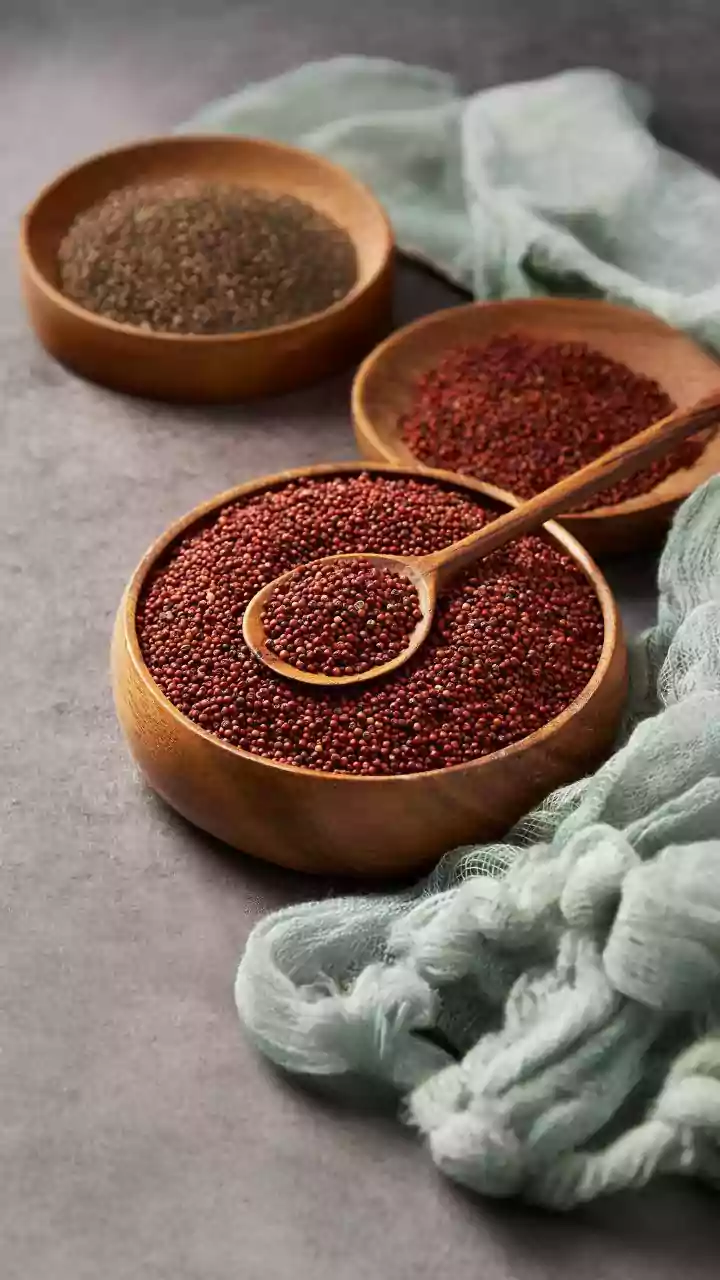
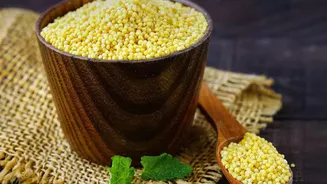
If you're new to millets, the variety can seem daunting, but a few key players are leading the charge. Ragi (finger millet), a rustic red grain popular in South India, is rich in calcium and often used to make porridge, dosas, and rotis. Jowar (sorghum), with its mild, earthy flavour, is a favourite for making soft bhakris and can be used as a couscous substitute in salads. Bajra (pearl millet) has a slightly nutty taste and is traditionally used in colder months for its warming properties, perfect for rotlas and khichdi. Then there are smaller millets like Kangni (foxtail millet), which cooks up fluffy like rice, and Kodo millet, another versatile grain perfect for upma or pulao. Each offers a unique texture and flavour profile, inviting experimentation.
Beyond the Bhakri and Roti
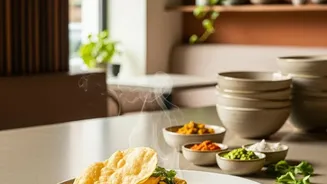
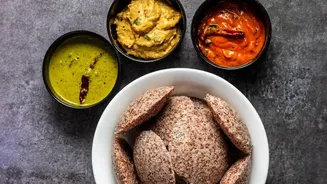
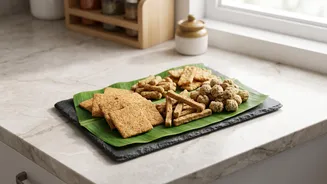
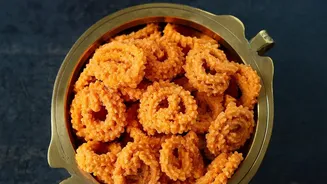
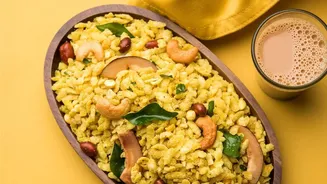
Perhaps the most exciting part of the millet revival is its creative application in modern cooking. Chefs and home cooks are pushing the boundaries beyond traditional flatbreads. Millet flour is now a popular ingredient in baking, creating delicious and healthy cakes, cookies, and muffins. You can start your day with a fluffy millet upma or a creamy bajra porridge. For lunch, a jowar salad offers a refreshing and filling alternative. Even classic dishes are getting a millet makeover, from ragi dosas and idlis to foxtail millet biryani. This incredible versatility ensures that swapping refined flour doesn't mean compromising on taste or variety. Instead, it opens up a whole new world of culinary possibilities.
An Earth-Friendly Choice
The appeal of millets also extends to environmental consciousness. These ancient grains are known as 'climate-smart' crops for good reason. They are incredibly hardy, requiring significantly less water than wheat and rice, and can thrive in arid conditions and less fertile soil. Their shorter growing cycle and resistance to pests reduce the need for synthetic fertilisers and pesticides. For the eco-conscious consumer, choosing millets is a sustainable decision that supports biodiversity, conserves water, and empowers small-scale farmers who have cultivated these grains for generations. It’s a choice that is good for you and for the planet.