





A Fiery Gift From Halley's Comet
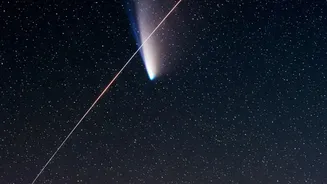
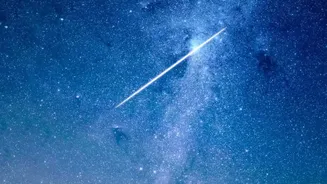
Before you start looking, it helps to know what you’re looking for. The Orionid meteors are tiny fragments of dust and ice left behind by one of the most famous celestial objects: Halley's Comet. Each October, Earth passes through this trail of ancient
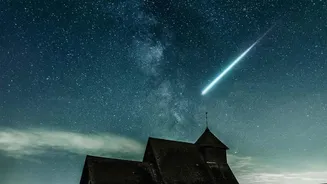
debris. As the fragments enter our atmosphere at incredibly high speeds—around 66 kilometres per second—they burn up, creating the brilliant streaks of light we call 'shooting stars.' Orionids are known for being particularly fast and bright. Sometimes, they can leave glowing 'trains' behind them, which are trails of incandescent debris that can last for several seconds. This makes them a particularly exciting shower to watch.
Mark Your Calendar: Prime Time for 2026
Timing is everything when it comes to meteor showers. While the Orionids are active from early October to early November, the show has a distinct peak. For 2026, the peak night will be October 21st, continuing into the early morning hours of October 22nd. During this time, you can expect to see the highest number of meteors. This year offers a fantastic bonus: the peak coincides with a new moon. This means the sky will be exceptionally dark, as there will be no moonlight to wash out the fainter meteors. This creates the perfect canvas for the Orionids to put on their best performance, making 2026 an ideal year for first-time viewers.
The Right Place, The Right Time
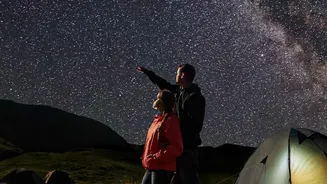
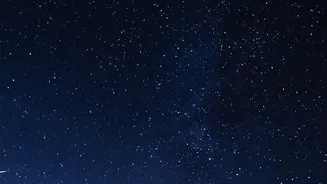
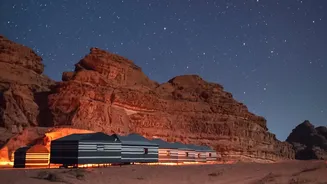
The single most important factor for a good viewing experience is getting away from light pollution. The bright lights of cities and towns can drastically reduce the number of meteors you'll be able to see. For the best results, find a location with a clear, unobstructed view of the sky, far from urban centres. This could be a rural field, a quiet beach, or a designated dark-sky park if one is accessible. Even a local park on the edge of town can be a decent option if it's shielded from direct streetlights. Plan to arrive at your chosen spot well before you intend to start watching.
Let Your Eyes Adjust
Once you've found your dark spot, your eyes will need time to adapt to the low light. It takes about 20 to 30 minutes for human eyes to achieve full night vision. During this period, avoid looking at any bright screens, especially your phone. The white light from a phone screen can instantly ruin your night vision, setting you back to square one. If you need a flashlight, use one with a red light filter or cover a regular torch with red cellophane. Red light has a minimal impact on your night vision, which is why astronomers use it.
Where to Look in the Sky
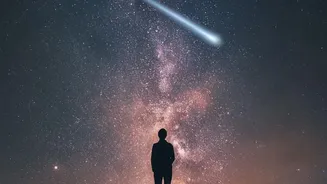
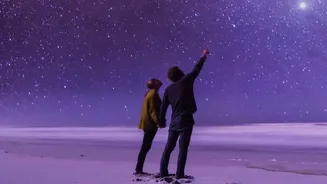
The shower gets its name from its radiant point, the area in the sky from which the meteors appear to originate. For the Orionids, this is the constellation Orion. You can easily find it by looking for its famous 'belt'—three bright stars in a short, straight line. However, you shouldn't stare directly at Orion. The meteors will be visible across the entire sky. The best technique is to lie back and look straight up, taking in as much of the celestial dome as possible. The meteors might be short, quick streaks near the radiant or long, dramatic streaks farther away.
Comfort is Key for a Long Night
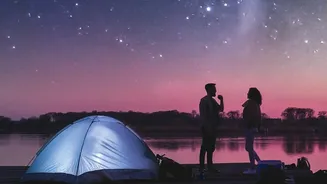
Meteor watching is a game of patience, so make sure you are comfortable. Lying on a blanket or a reclining lawn chair is much better than straining your neck by standing. The hours after midnight can get surprisingly chilly, even in warmer climates, so dress in layers. Bring a warm jacket, a hat, and maybe even a thermos of a hot beverage like tea or coffee. Being warm and comfortable will allow you to stay out longer and fully enjoy the experience without getting distracted by the cold.
Set Your Expectations and Enjoy
Finally, it's important to have realistic expectations. A meteor shower is not a continuous fireworks display. In perfect, dark-sky conditions, the Orionids can produce about 15 to 20 meteors per hour during their peak. This means you might see a meteor every few minutes, with occasional lulls in between. The real joy is in the quiet anticipation, the beauty of the starry night, and the sudden thrill of seeing a bright streak flash across the darkness. Don't focus only on counting meteors; take the time to soak in the atmosphere of the night sky.