






The Agricultural Trust Deficit
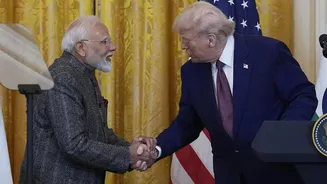
Despite ongoing talks, with officials on both sides recently stating a deal is 'very close', agriculture remains a significant hurdle. For Washington, India is seen as one of the most challenging markets, with longstanding protections for its farm sector.
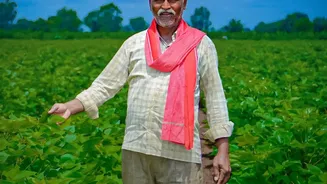
For New Delhi, opening the floodgates to heavily subsidised American produce is a political and economic minefield. This fundamental disagreement creates a trust deficit that complicates broader negotiations. Farmer organisations in India have warned of strong resistance, fearing that a deal favouring US imports could devastate the livelihoods of millions of rural households who depend on dairy and other produce. These groups have criticised the government for a lack of transparency in negotiations, alleging that the interests of farmers are being compromised.
Beyond Tariffs: The Barrier Wall
While high tariffs on products like apples, cherries, and almonds are frequently cited, the more complex barriers lie in India's non-tariff measures. These include sanitary and phytosanitary (SPS) standards, which are protocols for food safety and animal and plant health. The US argues that some of these measures are not based on scientific evidence and function as a form of disguised protectionism, effectively blocking access for American dairy, poultry, and other agricultural goods. India, in turn, defends these measures as necessary to protect its domestic agriculture and consumers from pests and diseases. These regulatory hurdles, which also include complex certification and licensing requirements, can be more difficult to negotiate than simple tariff reductions.
India's Domestic Imperatives
India's agricultural policies are deeply intertwined with its goals of food security and social stability. The sector provides a livelihood for a massive portion of the population, making policy changes politically sensitive. Key domestic support mechanisms, such as the Minimum Support Price (MSP) for crops like wheat and rice, are designed to protect farmers from price volatility. These programmes are considered trade-distorting by the US and other WTO members, who argue that they lead to overproduction and depress global prices. However, for India, these subsidies are a crucial safety net for millions of small-scale farmers and are viewed as non-negotiable. Farmer unions have expressed fears that a trade deal could undermine this entire support structure.
A Clash of Farming Philosophies
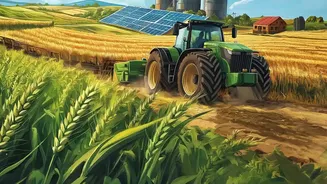
At its core, the dispute is a clash between two vastly different agricultural systems. The United States possesses a highly industrialised, export-oriented farm economy with large landholdings and extensive government subsidies. In contrast, Indian agriculture is characterised by millions of smallholder farmers with limited access to capital and technology. Indian policymakers argue that these farmers cannot compete on a level playing field with their heavily subsidised American counterparts. US negotiators, however, point to India's own high average tariffs and market restrictions as unfair trade practices. This philosophical divide—pitting US demands for market access against India's focus on livelihood protection—makes finding a middle ground exceptionally difficult.