


Why We're Craving Comfort
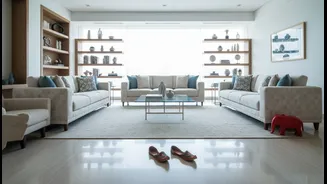
The long reign of stark minimalism is beginning to fade. While appreciated for its simplicity and clean aesthetic, many have found that extreme minimalism can feel cold and impersonal. After spending more time at home in recent years, there is a growing
desire for our living spaces to be more than just visually tidy; we want them to be sanctuaries that support our emotional well-being. The focus is shifting from homes that look perfect to homes that feel good to live in every single day. This has paved the way for a style that prioritises comfort, personality, and a sense of lived-in authenticity over rigid design rules. It’s not about abandoning simplicity altogether, but about evolving it to include soul and character.
Defining the New Warmth
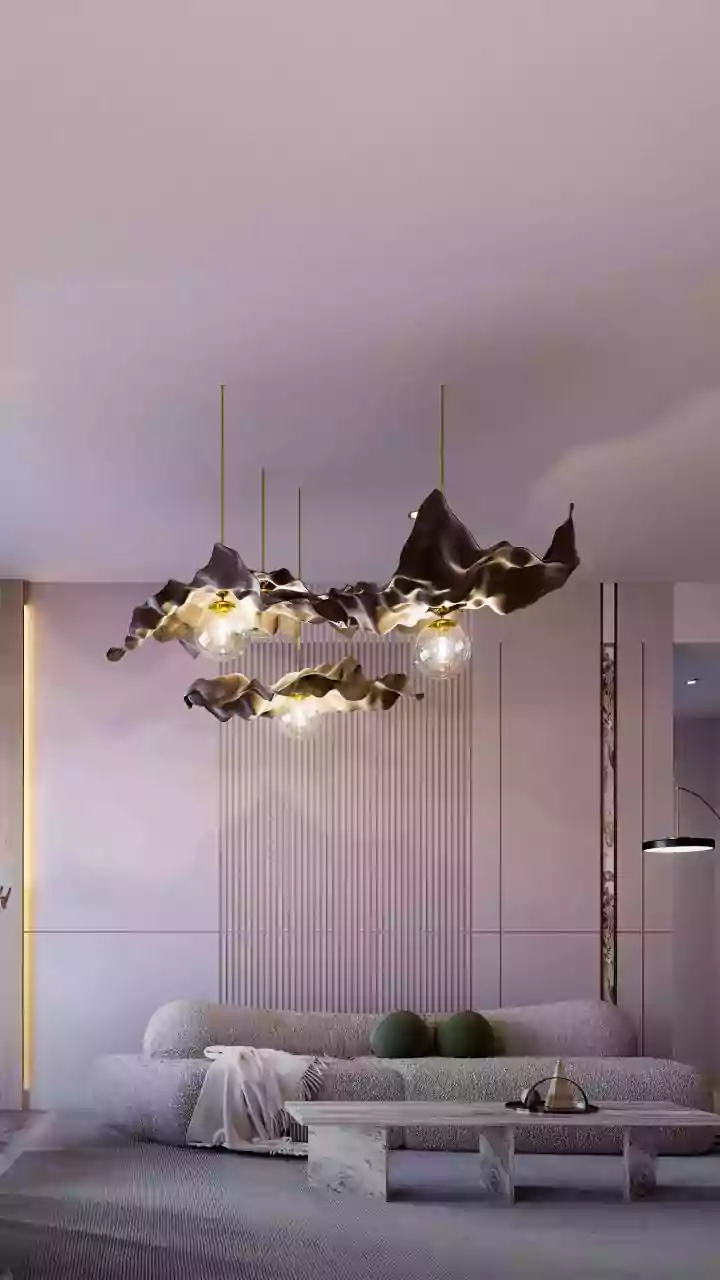
So, what does “warm everyday living” actually look like? Think of it as a softer, more human-centric version of modern design. Instead of focusing on emptiness, this trend celebrates layers, textures, and personal stories. The core idea is to create an environment that feels welcoming and deeply personal. Key elements include the return of rich colour, the embrace of tactile materials, softer lighting, and the curation of meaningful objects. It’s a design philosophy where architectural elements and decor choices are made with clear intent to support daily life, creating a space that feels like a protective, comfortable cocoon.
A Comeback for Colour
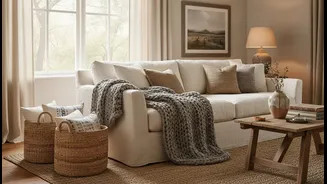
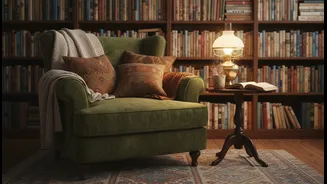
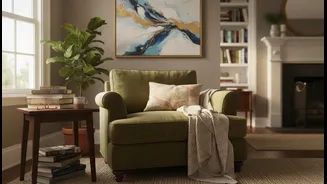
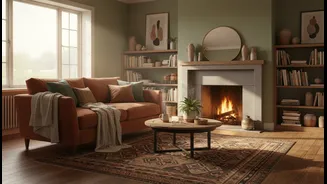
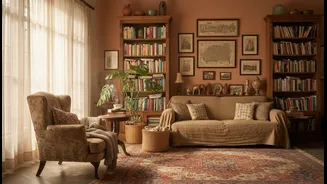
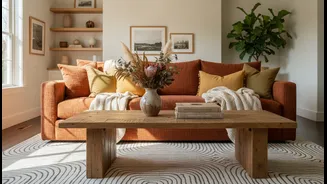
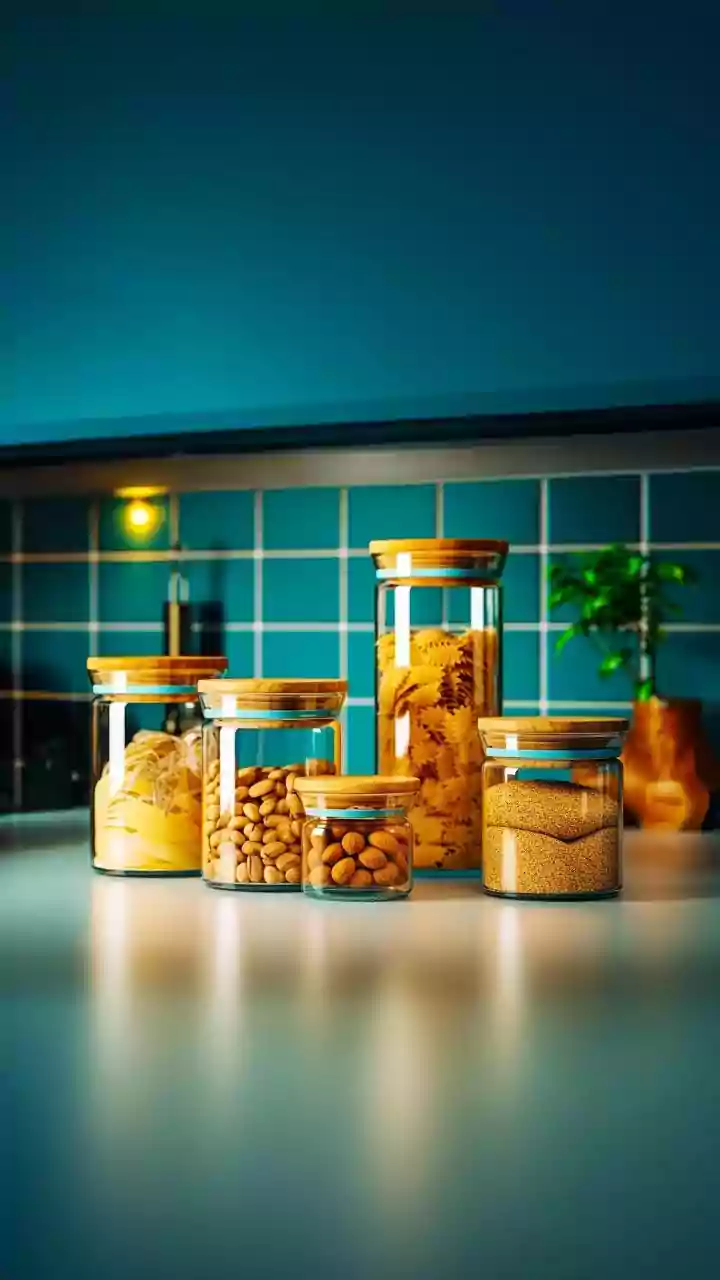
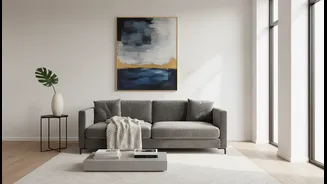
Perhaps the most noticeable shift is the move away from a palette of cool greys and bright whites. Warm neutrals are the new foundation, with shades of cream, beige, sand, and soft plaster replacing their colder counterparts. Beyond neutrals, there is a strong embrace of earthy and nature-inspired hues. Colours like terracotta, olive green, earthy ochres, and deep, moody blues are being used to add character and stability to a room. One popular technique is “colour drenching,” where the walls, trim, and even ceiling are painted in the same rich hue to create an enveloping, cozy effect. These colours are chosen for their psychological value, offering a sense of grounding and warmth.
The Importance of Texture
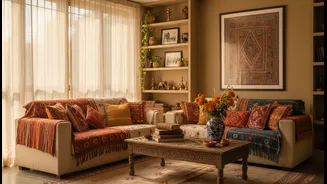
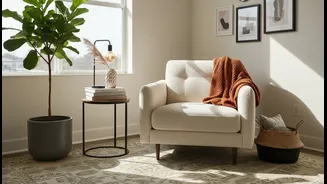
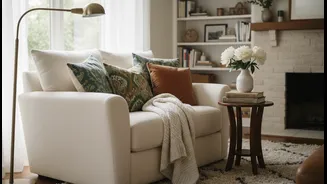
Another key pillar of this trend is the celebration of texture. Where minimalism often favoured flat, sleek surfaces, this new approach is all about tactile sensations that comfort and soothe. This is achieved by layering different materials throughout a space. Think of soft bouclé or velvet upholstery, linen curtains that gently diffuse light, the rich grain of natural wood furniture, and woven wool rugs underfoot. These elements add visual depth and interest without creating clutter, making a room feel more balanced and inviting. Patina and craftsmanship are also valued, with a growing appreciation for artisanal, handmade items over mass-produced ones.
Curating Your Story
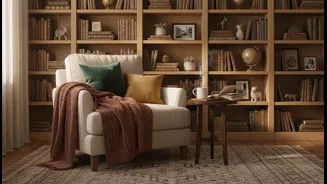
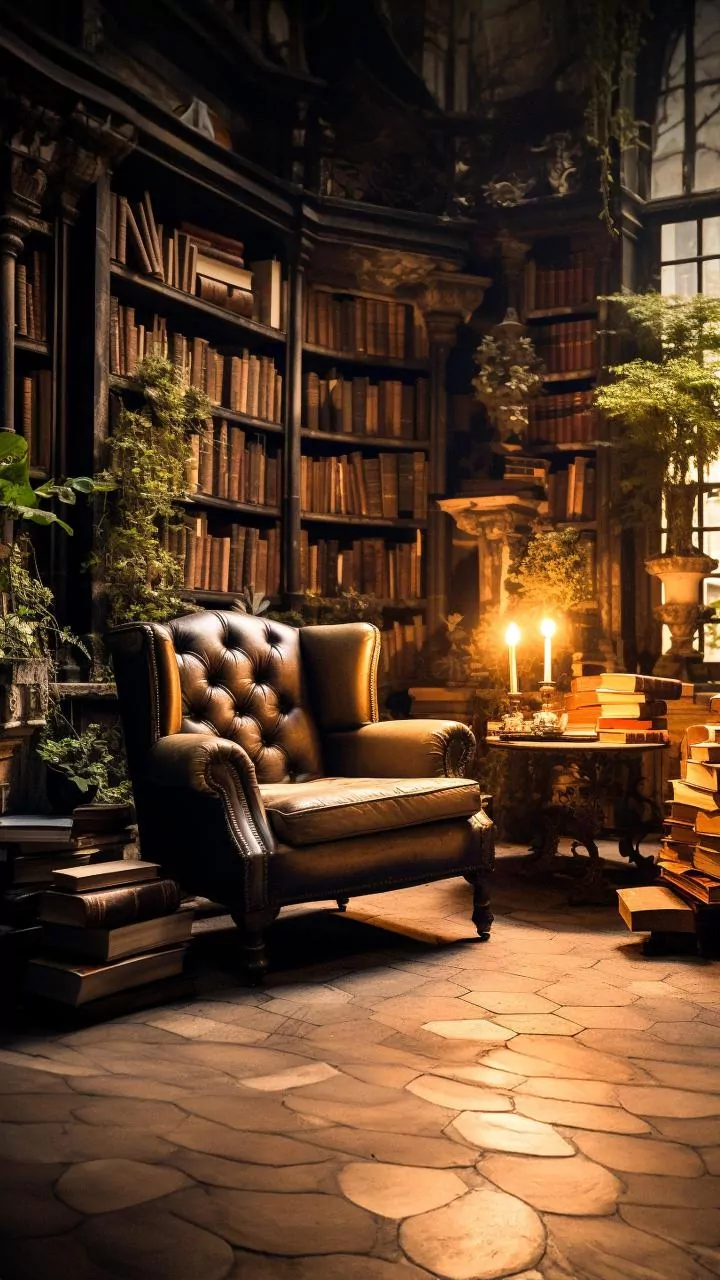
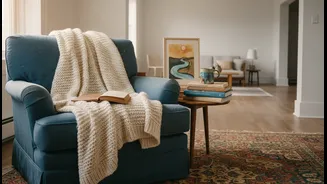
This trend redefines our relationship with “stuff.” It’s not about a return to clutter, but a move from stark decluttering to thoughtful curation. The goal is to create a home that tells your story. This means making space for items that hold personal meaning, whether it’s a piece of heirloom furniture, a collection of books, or art picked up during travels. In Indian homes, this aligns beautifully with the practice of blending traditional crafts and textiles with contemporary design. By showcasing objects with an anecdote, they transform from simple commodities into personal treasures that give a space purpose and a unique identity.