






A More Unpredictable Weather Engine
For centuries, India has moved to the monsoon's predictable beat. But climate change is rewriting the music. Scientists observe that the monsoon is no longer just about the total volume of rain; its very character is becoming erratic. Recent climate models
and observations point to a worrying trend: the monsoon's onset is often delayed, followed by long dry spells, and then punctuated by sudden, intense bursts of extreme rainfall. A World Bank report noted that an extremely wet monsoon, once a 1-in-100-year event, could occur every 10 years by the end of the century if warming continues. This pattern of 'too dry, then too wet' creates a volatile environment that puts immense pressure on natural systems that evolved around a more stable cycle.
From Wet and Lush to Dry and Stressed
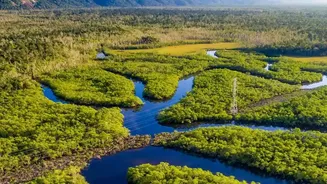
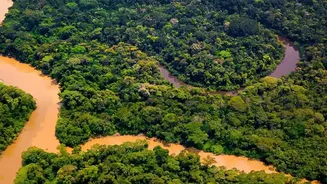
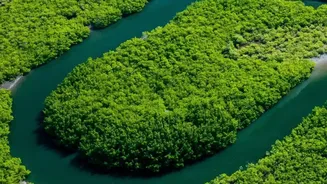
This new, chaotic rainfall pattern is triggering a fundamental shift in the type of forests that can thrive in certain regions. The most significant change observed by researchers is the gradual retreat of moisture-loving forests and the expansion of those adapted to drier conditions. In biodiversity hotspots like the Western Ghats, studies are documenting how tropical wet evergreen forests are shrinking. A recent study focusing on the Tamil Nadu section of the Ghats projected that by 2050, evergreen forests could lose over 200 square kilometres of suitable habitat, while drier thorn forests could expand by nearly 1,000 square kilometres. Essentially, areas known for their dense, lush canopies are slowly giving way to sparser, hardier vegetation. This is not deforestation in the traditional sense, but a profound transformation of the ecosystem itself.
Increased Risk of Fire and Degradation
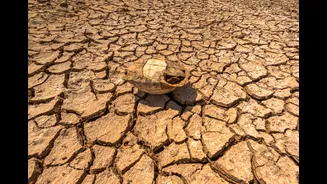
The changes in monsoon behaviour bring secondary effects that are just as damaging. Longer and hotter dry spells preceding the delayed rains leave forests dangerously vulnerable to fire. Research in Central India's Panchmarhi Biosphere Reserve has established a direct link between rising temperatures and an increased frequency of forest fires. This not only destroys vegetation but also damages the soil's ability to hold water, making it prone to erosion when the intense rains finally arrive. Over time, this one-two punch of fire and water stress can lead to forest degradation, where dense woodlands are replaced by inferior scrubland. One study noted that despite an increase in green cover in some areas, the actual health and productivity of the forest—its ability to absorb carbon—was declining due to heat stress.
The Domino Effect on Wildlife and People
A forest is more than just a collection of trees; it is an intricate web of life. When the dominant tree species change, it creates a domino effect for the entire ecosystem. Animals, birds, and insects that depend on specific evergreen trees for food, shelter, and breeding grounds find their habitats shrinking. Specialist species are often unable to adapt quickly to a new environment dominated by deciduous or thorn trees, leading to a potential decline in local biodiversity. This ecological shift also has a direct human cost. Millions of people in India, particularly Adivasi and other forest-dwelling communities, rely on Non-Timber Forest Products (NTFPs) for their livelihood. These products—including fruits, medicinal plants, and resins—are often found in rich, biodiverse evergreen and moist deciduous forests. As these forests recede, so does the natural resource base that sustains these local economies.