




Why a Raincoat Is a Good Idea
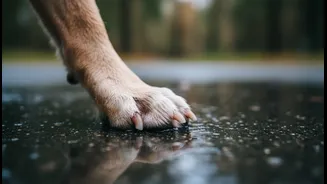
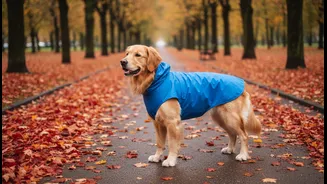
The primary benefit of a pet raincoat is obvious: it keeps your furry friend dry during wet weather. This makes walks more comfortable and enjoyable for them, especially for dogs who dislike the rain. A dry dog is also a cleaner dog, meaning less mud
and grime tracked into your home. Beyond cleanliness, a raincoat provides an extra layer of warmth. This is crucial for pets that get cold easily, helping to prevent a dangerous drop in body temperature that could lead to issues like hypothermia or pneumonia. For dogs with skin allergies or sensitivities, a coat can act as a protective barrier against environmental triggers and prevent conditions like hot spots from worsening due to dampness.
Not Every Pet Needs a Wardrobe
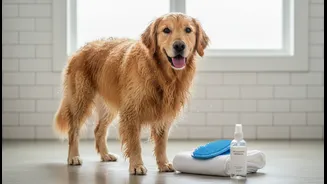
While any dog can wear a raincoat, some breeds benefit more than others. Pets with thin or single-layered coats, such as Greyhounds, Boxers, and French Bulldogs, lack the natural insulation to stay warm when wet. Small and toy breeds like Chihuahuas and Yorkshire Terriers also lose body heat quickly and can get chilled easily. Short-legged breeds like Dachshunds and Corgis benefit from coats that offer belly coverage, keeping their undersides from getting splashed with muddy water. Age and health are also factors; puppies, senior dogs, and those with compromised immune systems have a harder time regulating their body temperature and can benefit from the extra protection. Conversely, double-coated breeds like Siberian Huskies and Golden Retrievers have a dense undercoat and a water-resistant topcoat that provide natural protection, so a raincoat may not be necessary and could even cause them to overheat.
Finding the Perfect Fit and Material
A poorly fitting raincoat is at best ineffective and at worst uncomfortable. To get the right size, measure your dog's back length (from the base of the neck to the base of the tail), chest girth (the widest part of their ribcage), and neck circumference. The coat should be snug enough to stay in place but not so tight that it restricts movement. Look for breathable, waterproof materials like polyester or nylon rather than stifling rubber. A soft inner lining will prevent chafing and sticking to your pet's fur. Adjustable straps and quick-release buckles can make getting the coat on and off much easier. For walks in low light, consider a coat with reflective strips for added visibility and safety.
The Hidden Dangers of Dampness
A raincoat is designed to keep water out, but it can also trap moisture in. If water seeps under the coat or if the dog is already damp, that trapped moisture against the skin creates a warm, humid environment perfect for bacterial and yeast growth. This can lead to painful skin issues like acute moist dermatitis, commonly known as hot spots, or worsen existing skin conditions. That familiar "wet dog smell" is actually caused by the byproducts of microorganisms on your pet's skin multiplying in the presence of water. Therefore, it's crucial to ensure your pet is completely dry after every rainy walk, even if they were wearing a coat. A quick towel-off of their legs and belly might not be enough; you need to feel under their fur to check for any residual dampness.
The Essential Post-Walk Routine
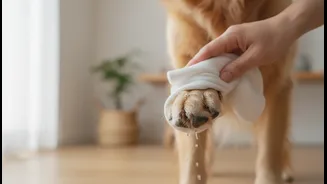
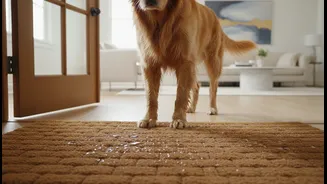
The care routine doesn't end when you walk through the door. First, remove the raincoat and thoroughly dry your pet with a towel, paying special attention to their belly, legs, and any areas where moisture could have collected. Once your pet is dry, turn your attention to the coat. Shake out any loose dirt and check the care label for washing instructions. Most raincoats can be hand-washed or machine-washed on a gentle cycle with cold water and a mild detergent. Avoid using bleach or fabric softeners, as these can damage the waterproof coating. The most important step is drying. Always air-dry the raincoat completely before storing it to prevent mildew and unpleasant odors. Some coats with a durable water repellent (DWR) finish benefit from a short, low-heat tumble in the dryer to reactivate the waterproofing.