



A Toast to Healthier Choices
A quiet revolution is happening in cafes across urban India. Health-conscious millennials and Gen Z consumers are increasingly seeking sophisticated, flavourful alternatives to alcohol and sugary drinks. This has sparked a surge in demand for non-alcoholic
beverages that do more than just quench thirst; they offer functional benefits and a connection to local heritage. Stepping into this gap are native ingredients that have been part of Indian households for generations. At the forefront of this trend are two powerhouse fruits: jamun and kokum, now reimagined for a contemporary palate.
Jamun: The Purple Powerhouse
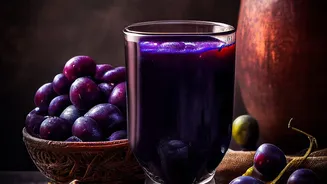
Jamun, also known as black plum or Indian blackberry, is a fruit deeply woven into the fabric of Indian monsoons and childhood memories. Traditionally valued in Ayurvedic medicine, it's a nutritional titan. Rich in Vitamin C, iron, and potassium, jamun is celebrated for its antioxidant and anti-inflammatory properties. Its natural compounds, including a glycoside called Jambolin, are known to aid in regulating blood sugar levels, making it a popular choice for those managing diabetes. In its modern mocktail form, jamun’s deep, sweet-and-tart profile creates drinks with a stunning, vibrant colour, proving that a delicious drink doesn't need to be a guilty pleasure.
Kokum: The Coastal Cooler's New Groove
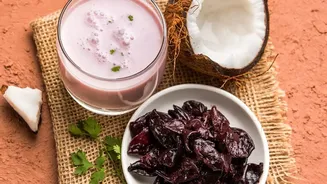
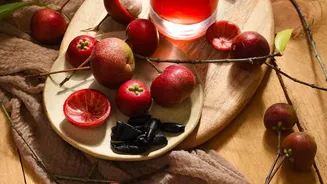
Hailing from the Western Ghats, kokum (Garcinia indica) has long been the star of regional drinks like Sol Kadhi, prized for its cooling properties and digestive aid. This small, reddish-purple fruit packs a puckeringly sour punch and is loaded with health benefits. It’s a rich source of antioxidants, particularly garcinol and hydroxycitric acid (HCA), which is often studied for its role in appetite suppression and weight management. Traditionally used to soothe acidity and improve digestion, kokum is now finding its way into trendy cafe menus. Modern preparations like a Kokum Fizz or a spiced cooler allow the fruit's complex flavour to shine, offering a grown-up beverage that is both hydrating and beneficial.
The Magic of Cold-Steeping
The secret to these modern mocktails lies in the preparation method: cold-steeping. Unlike traditional hot brewing or making sugary sherbets, cold-steeping involves infusing the ingredients in cold water over several hours. This gentle, slow extraction process coaxes out the delicate flavours and beneficial compounds of the fruits while leaving behind the bitter tannins that heat often releases. The result is a beverage that is smoother, naturally sweeter, and less astringent. This technique is perfect for showcasing the nuanced notes of jamun and kokum, preserving their fresh, bright character without needing heaps of sugar to balance the taste.
From Tradition to Trend
The embrace of jamun and kokum in cafe culture represents a larger movement towards celebrating India's rich botanical heritage. For years, local ingredients were often overlooked in favour of imported ones. Now, chefs and beverage creators are looking inwards, rediscovering the potential of regional produce. This trend is about more than just flavour; it’s a nod to sustainable sourcing, a celebration of cultural identity, and a response to a growing consumer desire for authenticity. By placing these time-tested superfoods in a modern context, cafes are bridging the gap between grandmother's wisdom and the wellness aspirations of a new generation.