




Why Enrichment Is Non-Negotiable
A pet's life in an apartment can become predictable and monotonous. Without enough stimulation, dogs and cats can become bored, which can lead to anxiety and destructive behaviours like chewing furniture, excessive barking, or scratching. Mental and sensory
engagement are just as important as physical exercise. This concept, known as enrichment, is about creating opportunities for your pet to express natural behaviours like sniffing, chasing, and thinking. By adding variety to their routine, you combat boredom, reduce stress, build their confidence, and strengthen your bond.
Harnessing the Power of Smell
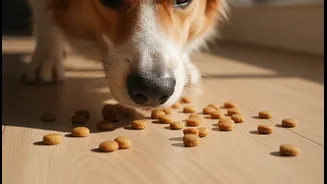
A pet, especially a dog, experiences the world primarily through their nose. A dog's sense of smell is thousands of times more powerful than a human's, and engaging it is a fantastic way to tire them out mentally. You don't need a large space for this. Simple scent games can be played right in your living room. Try a 'treat hunt' by hiding small, high-value treats around a room and letting your dog find them. You can make it more challenging by hiding them under objects or in different rooms. For a DIY option, fill an empty egg carton or muffin tin with treats and cover them with toys or crumpled paper for your pet to sniff out. This encourages natural foraging behaviour and turns mealtime into a fun puzzle.
Creative Movement in Small Spaces
Exercise in an apartment requires creativity. While walks are essential, they aren't always enough to burn off pent-up energy. A long hallway can become a lane for a gentle game of fetch with a soft toy. Tug-of-war is another great indoor muscle-burner, as long as you teach your dog a 'drop it' command for safety. For cats, vertical space is key. They have a natural instinct to climb and observe from above. You can create a 'cat highway' with sturdy shelves, providing an outlet for climbing and perching. Interactive wand toys that mimic hunting are also excellent for getting a cat to jump and run in short, intense bursts.
Engaging the Brain with Puzzles
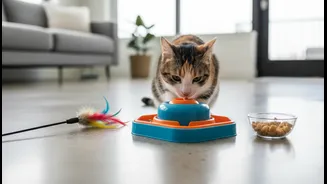
Problem-solving is a deeply satisfying activity for animals that satisfies their instinct to work for food. Mental fatigue can be just as effective as physical exhaustion in creating a calm, happy pet. Puzzle feeders and treat-dispensing toys are fantastic tools for this. They require your pet to think, paw, nudge, and roll the toy to get their reward, slowing down fast eaters and keeping them occupied. You can also make your own puzzles. Hiding treats inside a cardboard box or a folded-up paper towel tube creates a simple but effective challenge. Short, positive training sessions to teach new tricks also count as powerful mental stimulation, strengthening your bond and your pet's brainpower.