







The Search for a Magic Bullet
For decades, the health and wellness world has been a battlefield of competing dietary doctrines. Proponents of low-carbohydrate plans like Atkins and Keto have faced off against advocates for low-fat or plant-based approaches. Each new season seems to bring
a new nutritional superstar, promising to be the definitive answer for weight loss and optimal health. This constant cycle of conflicting advice leaves many people feeling overwhelmed and perpetually searching for the 'right' way to eat. The problem, as many researchers now suggest, isn't that we haven't found the best diet yet; it's that one may not even exist.
What the Research Actually Shows
When scientists conduct large-scale, long-term studies comparing different named diets, a surprisingly consistent pattern emerges. A network meta-analysis, which combines data from many individual trials, found that while most popular diets (like low-carb or low-fat) resulted in more weight loss than no diet at all, the differences between the diets themselves were minimal. At the six-month mark, people on various plans showed modest weight loss. However, by the 12-month mark, much of that initial success had faded, and the differences between diet groups became even smaller. The Endocrine Society reviewed roughly a dozen popular diets and came to a similar conclusion: people can lose weight on almost any of them. The key takeaway from this mountain of data is that no single dietary strategy is consistently and significantly better than others for the general population over the long term.
The Adherence Factor: The Best Diet Is One You Can Follow
If the specific ratio of fats to carbs isn't the magic key, then what is? The most significant predictor of long-term success isn't the diet itself, but a person's ability to stick with it. This is what researchers call 'adherence.' A diet can have the perfect nutritional profile on paper, but it's useless if it's so restrictive, expensive, or unenjoyable that you abandon it after a few weeks. One two-year study found that initial weight loss at six months was the main predictor of long-term success, largely because it motivated participants to keep going. This highlights a simple but powerful truth: sustainability and enjoyment are crucial. An eating plan that fits your lifestyle, food preferences, and cultural background is one you are far more likely to maintain.
Beyond Macros: Quality, Patterns, and Personalization
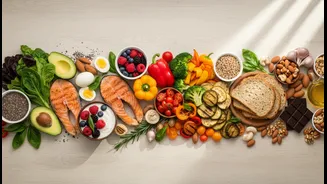
The science is now shifting away from a narrow focus on macronutrients (carbs, proteins, fats) and toward a broader view of overall dietary patterns. Studies show that there is significant overlap in what makes different 'healthy' diets work. They all tend to emphasize whole or minimally processed foods, plenty of fruits and vegetables, lean proteins, and limits on added sugars and highly processed junk food. Furthermore, the emerging field of personalized nutrition is revealing just how differently two people can respond to the exact same food. Factors like genetics, gut microbiome composition, and metabolism mean that a food that spikes one person's blood sugar might have little effect on another's. This bio-individuality makes a one-size-fits-all approach to diet fundamentally flawed.
How to Build Your Own 'Best' Diet
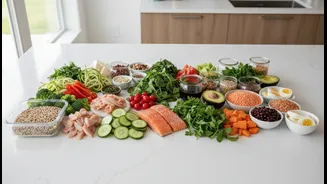
Instead of getting caught up in the latest diet trend, focus on building a sustainable, healthy eating pattern. Start by prioritizing whole foods. Fill your plate with a variety of vegetables, fruits, whole grains, and lean protein sources. Reduce your intake of highly processed foods, sugary drinks, and anything with a long list of unpronounceable ingredients. Pay attention to your body's hunger and fullness cues, a practice known as mindful eating. And remember that a healthy lifestyle isn't just about food; regular physical activity, adequate sleep, and stress management are all critical pieces of the puzzle. The goal is to shift from 'dieting,' with its restrictive and temporary mindset, to simply 'eating healthily' as a permanent and enjoyable way of life.