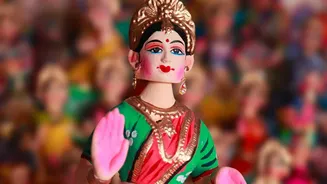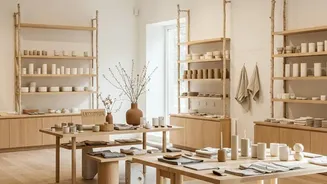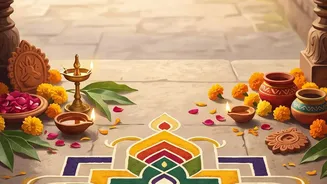

In a world of fast furniture and mass-produced decor, a quiet revolution is taking place. Homeowners are turning away from the generic, seeking soul and story. Traditional artisanal crafts are stepping out of the past to become central statements.
More Than Decor, It’s a Story
The
shift towards artisanal crafts in modern homes is driven by a deeper desire for connection and authenticity. Unlike factory-made items that are designed for transient trends, a handcrafted piece carries the imprint of its maker and a legacy of skill passed down through generations. This trend is a conscious move away from minimalism that can feel sterile, towards interiors that are layered with personality and meaning. Choosing a hand-carved panel or a hand-painted vase is not just a design choice; it is an investment in a story, in cultural heritage, and in sustainability. This growing consciousness means people are increasingly appreciating handcrafted items over factory-created decor, supporting local artisans and more sustainable, slow-design practices.
Walls That Tell Tales
Perhaps the most dramatic way this trend is unfolding is on the walls of modern homes. Large-scale folk and traditional art, once confined to temples or rural settings, are now being embraced as powerful focal points. Majestic Pichwai paintings, depicting serene scenes of cows and lotuses, are no longer just devotional art but sophisticated statement pieces for living rooms and entryways. Similarly, the intricate line work of Gond art, the geometric simplicity of Warli, or the narrative richness of Pattachitra are being used to add character to otherwise simple, contemporary rooms. Designers are framing these as singular, large artworks or even commissioning them as murals, allowing the traditional form to command attention in a modern context.
A New Weave of Tradition
Textiles have always been integral to Indian decor, but their application has become bolder and more central. Richly detailed fabrics like Kalamkari, Ikat, and Bandhani are no longer limited to cushions and throws. They are being used for statement upholstery on modern-sofa silhouettes, as dramatic, full-length curtains, and even stretched and framed as large-scale wall art. This approach allows the intricate patterns and vibrant colours of the craft to become a primary design element, setting the tone for the entire room. By juxtaposing these traditional prints with neutral-toned furniture and clean lines, the result is a balanced yet striking contrast that feels both fresh and deeply rooted.
Sculptural Forms in Metal and Clay
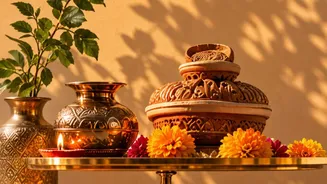
The earthy appeal of terracotta and the timeless lustre of brass are finding new expressions in modern interiors. Beyond small decorative items, designers are using these materials for sculptural and functional statement pieces. The ancient Dhokra craft, with its lost-wax casting technique, is being used to create unique figurines, door handles, and lamps that add a touch of rustic luxury. Jaipur's iconic Blue Pottery is appearing in the form of elegant table lamps and decorative murals. These handcrafted objects provide a tactile and visual contrast to the sleek surfaces common in modern design, such as glass and steel, adding warmth and a sense of history to a space. One or two carefully selected pieces can anchor a room and serve as a compelling conversation starter.