





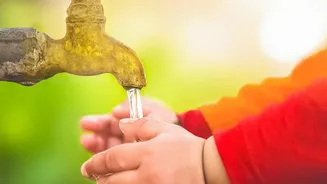
In the Kitchen: The Heart of Water Reuse
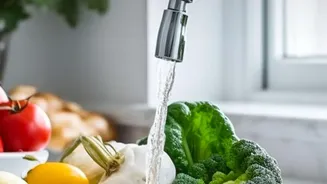
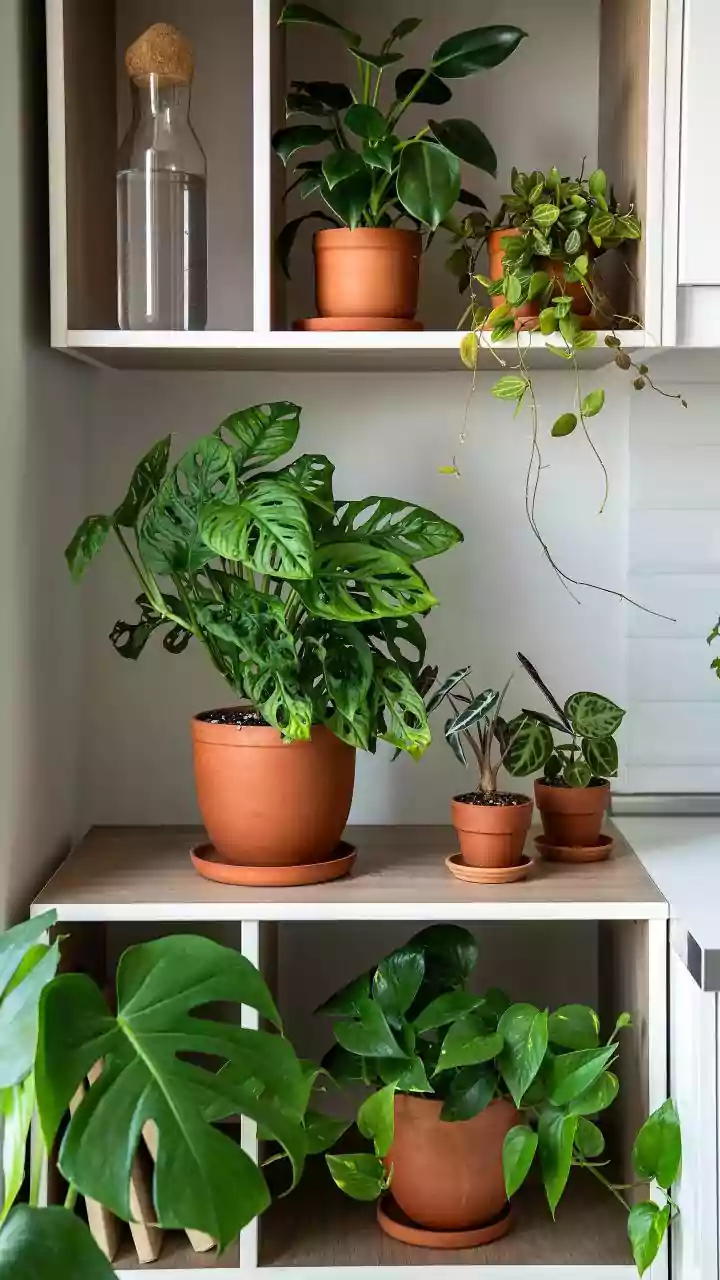
The kitchen is a prime area for water wastage, but also for smart savings. Instead of letting the tap run when washing vegetables and fruits, use a large bowl of water. This collected water, rich in nutrients, is perfect for watering your houseplants.
When it comes to dishwashing, soaking utensils in a basin before scrubbing them is far more efficient than washing them under a running tap. For those with dishwashers, always wait for a full load before running a cycle, as this uses the same amount of water whether it's half-empty or full. These simple shifts in routine can save thousands of litres of water annually per household.
Rethink Your RO Purifier's Wastewater
Reverse Osmosis (RO) purifiers are common in urban homes, but they are notoriously inefficient, wasting up to three litres of 'reject water' for every one litre they purify. Instead of letting this water go down the drain, collect it in a bucket or tank. This reject water is perfectly suitable for a variety of non-potable tasks. Use it for mopping floors, washing your car or balcony, and flushing toilets. Some apartment complexes have even created centralised systems to collect RO wastewater from all flats for common area cleaning and gardening. This single habit can reclaim a significant amount of water that would otherwise be lost.
Bathroom Habits That Make a Difference
The bathroom accounts for a large portion of a home's water consumption. The simplest habit is to turn off the tap while brushing your teeth or shaving, which can waste over six litres of water per minute. Opting for a bucket bath over a long shower can also lead to substantial savings; a five-minute shower can use 40-60 litres, while a bucket uses much less. A major culprit of hidden water loss is a leaking toilet. You can check for a silent leak by adding a few drops of food colouring to the tank; if the colour appears in the bowl without flushing, you have a leak that needs fixing. A small leak can waste thousands of litres a year.
Upgrade Your Fixtures for Effortless Savings
Modern technology offers easy ways to reduce water consumption without sacrificing comfort. Installing low-flow aerators on taps is a cost-effective change that can cut water flow by up to 80% while maintaining pressure. Similarly, low-flow showerheads can significantly reduce the amount of water used during a shower. When it's time to replace sanitary ware, consider dual-flush toilets. These systems provide a half-flush option for liquid waste, using much less water than a full flush. These small investments pay for themselves over time through lower water bills and are a powerful tool in any household's conservation toolkit.
Community Action: Rainwater Harvesting and Greywater Systems
For those living in apartment complexes or independent houses, collective action can amplify water-saving efforts. Rainwater harvesting (RWH) is a crucial practice, now mandatory in many Indian cities. Systems can be installed to collect rainwater from rooftops, which can then be stored for non-potable uses like gardening and vehicle washing, or used to recharge groundwater. Another advanced solution is greywater recycling. This involves separating the relatively clean water from showers and washbasins from toilet 'blackwater'. This greywater can be filtered and reused for flushing toilets or irrigation, drastically reducing a household’s freshwater demand.