








The Invisible Danger in the Water
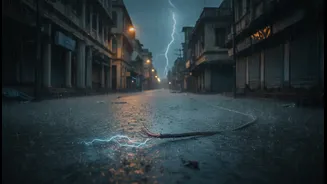
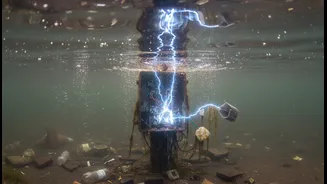
Every monsoon, cities across India face the recurring tragedy of electrocution deaths on flooded streets. The danger isn't just from dramatic, sparking overhead wires. It often lurks unseen beneath the murky water. Submerged electrical junction boxes,
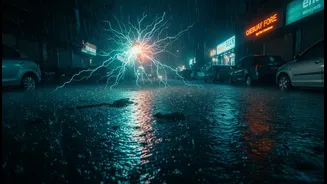
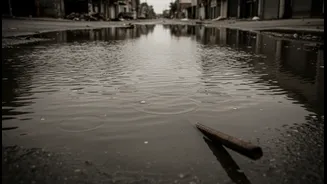
damaged underground cables, faulty wiring in streetlights, or illegally exposed wires can energize the entire body of stagnant water. Because this water is filled with dirt and salts, it becomes an excellent conductor of electricity, spreading the current over a wide area. This means a person doesn't need to touch a wire directly; simply stepping into an energized puddle can be enough to cause a fatal shock.
Recognising the Warning Signs
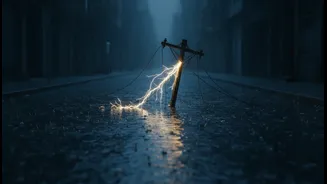
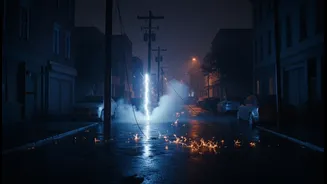
While the source of the danger can be hidden, there are sometimes warning signs to look out for. Be extremely cautious if you notice a tingling sensation while wading through water, as this is a direct indication of an electrical charge. Other signs include seeing sparks, hearing a buzzing or humming sound from a pole or electrical box, or noticing streetlights that are flickering erratically. However, the most important rule is to assume all downed wires are live, even if they aren't sparking. If you see a fallen power line, maintain a safe distance of at least 30 to 50 feet—roughly the length of a school bus—and keep others away.
Your Phone is a Lifesaving Tool
The first part of the solution is personal caution, but the second, equally crucial part, is quick reporting. Many tragedies occur because known hazards are not reported, or not fixed in time. Your mobile phone is the most powerful tool you have to prevent not just your own exposure, but that of your neighbours and fellow citizens. Seeing a dangling wire, a tilted pole, or an open electrical panel near a waterlogged area is an emergency. Instead of assuming someone else has already called, take immediate action. Reporting the exact location to your local electricity board can ensure that the line is de-energized swiftly, preventing a potential disaster.
How to Report Hazards Safely
First, ensure your own safety. Do not approach the hazard. Stay far back and warn anyone else who might be approaching the area. Then, call your local electricity distribution company. The nationwide helpline number for electricity complaints is 1912, which works for most states. It is wise to also save the specific monsoon emergency helpline number for your local provider, whether it's BEST or Tata Power in Mumbai, BSES in Delhi, BESCOM in Bengaluru, or MSEDCL in Maharashtra. When you call, provide the clearest possible location details, including landmarks. If possible and safe, sending a picture via WhatsApp, if your provider offers that service, can also be very effective.
Essential Monsoon Safety Rules
Beyond reporting, certain behaviours can drastically reduce your risk. The primary rule is to avoid wading through flooded streets whenever possible, especially at night or near electrical infrastructure. If you must walk, wear rubber-soled footwear, though this offers limited, not guaranteed, protection. Never touch metal poles or fences in or near standing water. If you are in a car that comes into contact with a downed wire, stay inside the vehicle unless there is a fire. The car's tires provide insulation. Honk to attract attention and call for help. If you must exit, jump clear of the vehicle with both feet together, ensuring you do not touch the car and the ground simultaneously.