




The All-Important Fiber Factor
The most significant difference between whole fruit and its juice is the fiber content. When a fruit is juiced, its pulp and skin are often discarded, and that’s where most of the dietary fiber lives. This fiber is essential for digestive health, helping
to prevent constipation and maintain a healthy gut. Whole fruits contain both soluble and insoluble fiber. Insoluble fiber adds bulk, while soluble fiber slows down digestion. This fibrous structure, the very 'texture' of the fruit, is a key player in its overall health benefit. Juicing effectively removes this vital component, leaving you with a very different product.
The Sugar Rush Explained
While the sugar in both fruit and juice is natural, your body processes it very differently. In whole fruit, the sugars are bound within a fibrous cellular structure. This 'food matrix' forces your body to work harder to break it down, leading to a slower, more gradual release of sugar into the bloodstream. Juice, however, has this structure completely broken down. The sugars are 'free' and can be absorbed very rapidly, causing a quick spike in blood sugar levels, much like sugary sodas do. This rapid spike can lead to a subsequent crash, leaving you feeling tired and hungry again sooner. For example, a whole orange has a much lower glycemic index (a measure of how quickly a food raises blood sugar) than orange juice.
Why Whole Fruit Keeps You Fuller
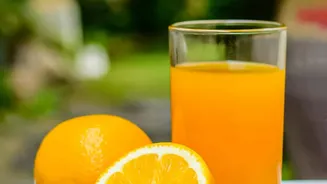
Have you ever noticed that you can drink the juice of five oranges but would struggle to eat five whole oranges in one sitting? This comes down to satiety, or the feeling of fullness. The fiber in whole fruit adds physical bulk in your stomach, and the act of chewing itself sends signals to your brain that you are eating something substantial. Studies have shown that solid foods promote greater feelings of fullness than liquids. One study directly comparing whole apples, apple puree, and apple juice found that the whole apples were significantly more satiating and delayed stomach emptying for longer. This feeling of fullness helps with appetite regulation and can prevent overconsumption of calories throughout the day.
The Truth About Nutrients
Juice is often marketed as a concentrated source of vitamins, and it's true that you'll get nutrients like vitamin C. However, the juicing process can lead to the loss of other important compounds. Many beneficial antioxidants and phytonutrients, which are plant chemicals that protect our health, are bound to the fiber in the pulp and skin that get thrown away. The exposure to oxygen and light during and after juicing can also degrade sensitive vitamins over time. While blending is a better alternative to juicing as it retains more fiber, eating the fruit whole remains the best way to ensure you get the complete package of vitamins, minerals, fiber, and beneficial plant compounds.
It's All in the Texture
The headline's focus on 'texture' is more than just about mouthfeel; it's central to the fruit's nutritional function. The physical structure of a whole fruit—its crunch, chewiness, and density—is not an obstacle to be removed but a key part of its health benefits. This texture dictates how long it takes you to eat, how your digestive system processes the food, and how nutrients are released. Chewing harder or crunchier foods can itself contribute to feeling full. The resistance and structure provided by the fruit's fibrous walls ensure a slow, controlled digestion process that supports stable energy levels and gut health. When you remove that texture to create juice, you are fundamentally altering its metabolic effect on your body.