








The Deceptive Nature of Monsoon Sweat
The primary way your body cools itself is through sweating. As sweat evaporates from your skin, it takes heat with it. [16] However, during the monsoon, the air is already saturated with water vapour. Once relative humidity climbs above 60%, the air simply
can't absorb much more moisture. [2, 10] This means your sweat doesn't evaporate efficiently. [3, 4, 7] You might feel constantly damp or sticky, but you're not getting the cooling benefit. [15] In response, your body tries to compensate by producing even more sweat, which accelerates fluid and electrolyte loss without actually cooling you down. [10, 15] This vicious cycle can lead to significant dehydration even if you aren't engaging in strenuous activity. [11] You are losing fluid continuously, but getting less cooling for every drop you lose. [10]
Why Thirst Isn't a Reliable Guide
In dry heat, thirst is a reasonably good indicator that you need to drink water. But in humid conditions, our internal signals can be misleading. [11] Because sweat clings to the skin instead of evaporating, your body may not register the fluid loss as effectively. [8] This can suppress your natural thirst mechanism, creating a false sense of being adequately hydrated when you're actually losing essential fluids. [8, 11] Relying solely on feeling thirsty can be a mistake during the monsoon. [4, 9] By the time you feel thirsty, you may already be mildly dehydrated. [23] This makes proactive hydration—drinking consistently throughout the day—a crucial strategy for this season. [23]
Spotting the Sneaky Signs of Dehydration
Since thirst isn't always reliable in high humidity, it's important to recognise the other, more subtle signs of dehydration. Mild to moderate dehydration often begins with symptoms you might dismiss as simple fatigue from the gloomy weather. [13] These early warning signs include a dull headache, feeling unusually tired or lethargic, dizziness, and muscle cramps. [2, 13] One of the most reliable indicators is the colour of your urine; if it's dark yellow, your body is telling you to drink more fluids. [9, 12] Other signs can include a dry mouth, reduced urination, and even irritability. [12, 13] Paying attention to these signals allows you to rehydrate before the problem becomes more severe. [3]
A Proactive Plan for Monsoon Hydration
For adults in India, a general guideline during the monsoon is to consume around 2.5 to 3 litres of fluids daily, but this can vary based on activity levels and personal health. [8, 19] The key is consistency. Instead of gulping large amounts at once, sip water steadily throughout the day. [10, 11] A good strategy is to drink before you feel thirsty. [23] Incorporating water-rich foods into your diet is another effective way to boost hydration. Cucumbers, watermelon, oranges, and leafy greens are excellent choices. [11, 23] It's also wise to wear light, breathable fabrics that allow for better air circulation and what little evaporation is possible. [3]
Choosing the Right Fluids
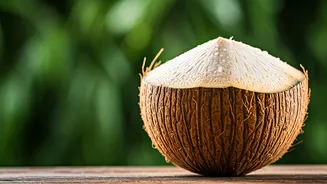
While plain water is essential, the heavy sweating caused by humidity also depletes electrolytes like sodium, potassium, and magnesium. [4, 11] Simply drinking large amounts of plain water can sometimes dilute the remaining electrolytes in your system. [2] To counteract this, it's beneficial to include fluids that replenish these vital minerals. Natural coconut water is an excellent source of potassium. [6, 17] Traditional Indian drinks like buttermilk (chaas) or homemade nimbu pani (with a pinch of salt) are also fantastic options. [19] For those engaging in intense physical activity, a balanced electrolyte drink or an Oral Rehydration Solution (ORS) can be very effective at restoring fluid balance. [23] It is generally advisable to limit sugary drinks and alcohol, as they can contribute to dehydration. [10, 22]