

Visa: The First Hurdle Made Easy
For any impromptu trip, the visa process is the first and biggest obstacle. Sri Lanka makes this incredibly simple. As of mid-2026, Indian citizens can get a free 30-day Electronic Travel Authorisation (ETA) online before departure. While you still need
to apply, the fee is waived, and the process is quick, making it ideal for a sudden plan. Vietnam also offers a straightforward e-Visa for Indian passport holders, which is valid for up to 90 days and allows for multiple entries. The fee is approximately ₹2,100-₹2,200 (USD 25) for a single entry. While not free like Sri Lanka's current scheme, it is processed online within a few working days, keeping the spontaneity alive.
Getting There: Flight Time and Cost
Proximity is a major win for both destinations. Flights to Sri Lanka are particularly short and affordable, especially from South Indian cities. A direct flight from Chennai or Bangalore to Colombo can take as little as 1.5 to 2 hours. From Delhi or Mumbai, it's around 2.5 to 3.5 hours. Round-trip fares can often be found for ₹12,000–₹25,000, depending on your departure city and how far in advance you book. Vietnam is slightly further, with direct flights from major Indian metros like Delhi and Mumbai to Hanoi or Ho Chi Minh City taking about 4 to 6 hours. Thanks to budget airlines, flight costs have become very competitive, with direct routes starting from around ₹9,000, though one-stop options are also plentiful and can be cost-effective.
The Daily Budget: How Far Your Rupee Goes
This is where both countries truly shine for budget travellers. In Sri Lanka, a backpacker can comfortably manage on ₹2,500–₹3,500 per day. This covers a stay in a guesthouse, local meals like kottu rotti, and transport via the famous scenic trains or local buses. A mid-range trip might cost around ₹5,000–₹7,000 daily. Vietnam is similarly light on the wallet. A budget traveller can get by on ₹2,200–₹3,000 per day. Street food is delicious and incredibly cheap—a bowl of pho or a banh mi sandwich costs very little. Accommodation in hostels and budget guesthouses is plentiful and affordable. In both countries, your money stretches far, allowing for a rich experience without constant financial stress.
The Vibe: Adventure vs. Relaxation
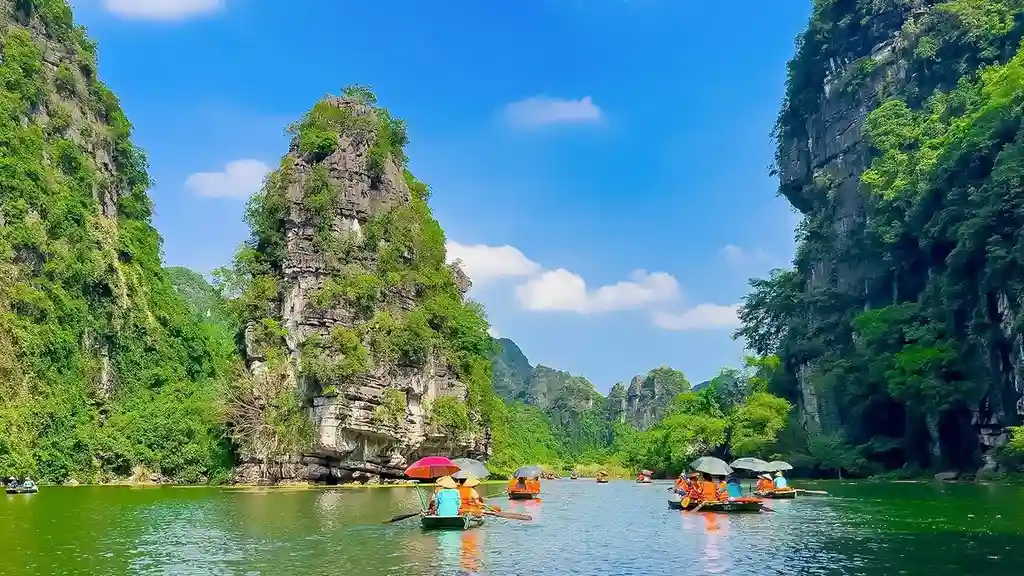
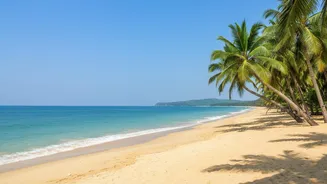
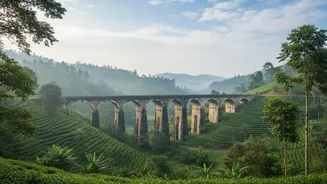
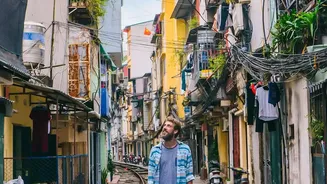
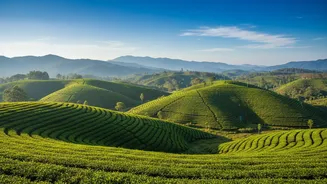
The choice between Vietnam and Sri Lanka can come down to the kind of vibe you're seeking. Sri Lanka is the champion of chilled-out diversity. In a single week, you can go from surfing on the southern beaches of Mirissa, to spotting elephants on a safari in Yala or Udawalawe National Park, to hiking in the lush, misty tea plantations of Ella. The pace is generally relaxed, and the island’s compact size means less time spent travelling and more time enjoying. Vietnam offers a different kind of energy—a vibrant, bustling, and historical adventure. You can explore the chaotic, motorbike-filled streets of Hanoi's Old Quarter, trek through the stunning rice terraces of Sapa, or cruise through the otherworldly limestone karsts of Ha Long Bay. The country's history is palpable, from the war museums in Ho Chi Minh City to the ancient temples. It’s a destination that buzzes with life and constant discovery.
Activities for the Young Traveller
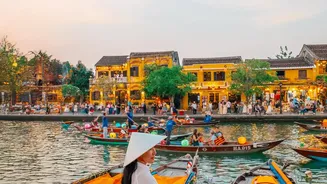
Both destinations are packed with activities that appeal to a younger crowd. In Sri Lanka, you can climb the iconic Sigiriya rock fortress, take the world-famous Kandy to Ella train journey, explore the colonial-era streets of Galle Fort, or learn to surf in Arugam Bay. The experiences are a perfect mix of culture, nature, and light adventure. Vietnam offers incredible experiences like kayaking in Ha Long Bay, exploring the massive caves in Phong Nha-Ke Bang National Park, and getting clothes custom-tailored for a fraction of the price in Hoi An. The nightlife in cities like Ho Chi Minh and Hanoi is also a major draw for many young travellers.