




The Foundation: Temperature and Airflow
Before you start arranging, ensure your refrigerator is set up for success. The ideal temperature for food safety is at or below 4°C (40°F). Bacteria multiply rapidly in the 'danger zone' between 4°C and 60°C. Use a separate appliance thermometer to check
the temperature, as built-in dials aren't always precise. Place it in a glass of water in the middle of the fridge and check after 5-8 hours for an accurate reading. Also, avoid over-packing your fridge. Cold air needs to circulate to keep everything cool, so don't block air vents. Try to keep your fridge about two-thirds full to allow for proper airflow.
Top and Middle Shelves: Ready-to-Eat Foods
The upper shelves of your refrigerator have the most consistent temperatures. This makes them perfect for foods that don't need to be cooked before eating. Think leftovers in clear, sealed containers, yogurts, cheese, and prepared salads. Storing ready-to-eat items here is a crucial food safety step, as it keeps them safely away from any potential drips from raw foods stored below. Dairy products like paneer, milk, and butter are also best stored on these middle shelves rather than the door, where temperatures fluctuate. For leftovers, use shallow containers to help them cool down faster and label them with the date.
The Bottom Shelf: Raw Meat, Poultry, and Fish
The bottom shelf is the coldest part of your fridge, making it the non-negotiable storage spot for all raw meat, poultry, and seafood. This rule is the cornerstone of preventing cross-contamination. Harmful bacteria like Salmonella and E. coli found in raw meat juices can drip onto other foods, posing a serious health risk. To eliminate this danger, always store raw items in sealed, leak-proof containers or on a plate to catch any escaping juices. By placing them on the lowest possible shelf, you ensure that even if a leak occurs, it won't contaminate the rest of your fridge's contents.
Crisper Drawers: Mastering Humidity
Those drawers at the bottom aren't just for general storage; they are designed to control humidity and prolong the life of your produce. Many fridges have two drawers with adjustable settings. A good rule to remember is: if it wilts, it needs high humidity; if it rots, it needs low humidity. Leafy greens, fresh herbs, and vegetables prone to drying out (like asparagus and spinach) thrive in a high-humidity drawer, which has a closed vent to trap moisture. Fruits that release ethylene gas as they ripen (like apples, pears, and avocados) should go in the low-humidity drawer, which has an open vent to let the gas escape and prevent premature spoilage. Storing fruits and vegetables separately is key, as the ethylene from fruits can cause vegetables to ripen and spoil faster.
The Fridge Door: For Condiments Only
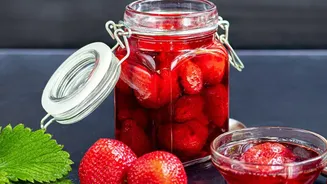
The refrigerator door is the warmest part of the appliance, with temperatures that fluctuate every time you open it. For this reason, you should never store highly perishable items like milk or eggs here. The door is the perfect spot for items that have natural preservatives, such as condiments, jams, sauces, and pickles. Bottled water and juices are also fine to store on the door shelves. Keeping these less-perishable items in the door frees up valuable space on the colder, more stable shelves for foods that really need it.