



More Than the Minimum: A New Daily Target
The long-standing recommendation for protein was about 0.8 grams per kilogram of body weight, a number designed to prevent deficiency. However, a growing body of research suggests this is merely a starting point, not the optimal amount for thriving. Recent
guidelines and expert consensus are now pointing toward a higher range, often between 1.2 to 1.6 grams per kilogram for most healthy adults. For a 70 kg person, that shifts the target from a baseline of 56 grams to a more robust 84–112 grams daily. This increased amount is seen as beneficial for maintaining muscle mass, managing weight, and supporting an active lifestyle.
The Timing Myth: Is the 'Anabolic Window' Real?
The idea of a 30-minute post-workout “anabolic window” to quickly consume protein is a persistent gym myth. Recent studies are challenging this notion. Research now shows that the body's ability to use protein for muscle building is more flexible than once believed. One study found that even a large 100-gram dose of protein was effectively used by the body over a 12-hour period, suggesting the anabolic response lasts much longer. The modern takeaway is that while consuming protein around your workouts is good, focusing on your total daily intake and spreading it reasonably throughout the day is more important than rushing to drink a shake within minutes of your last rep.
Plant vs. Animal: The Nuanced Reality
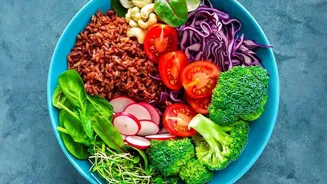
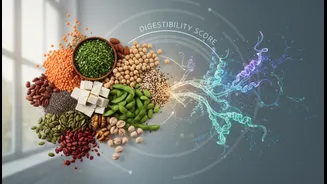
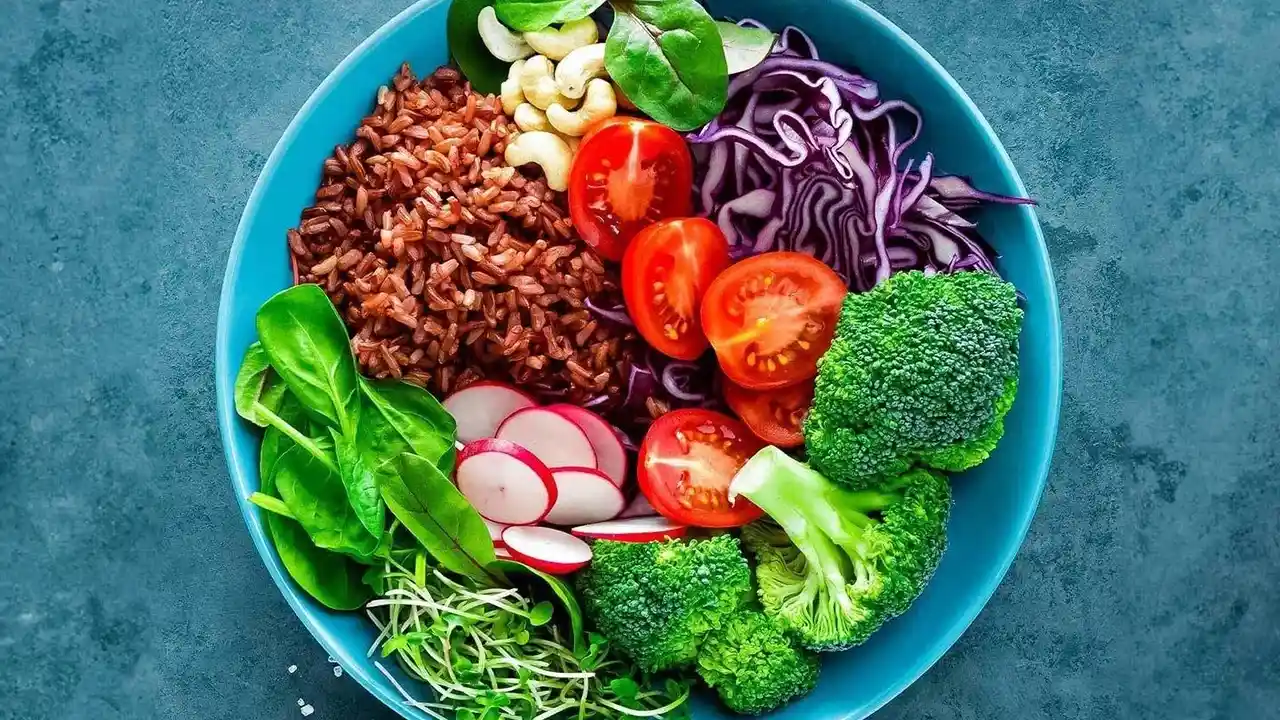
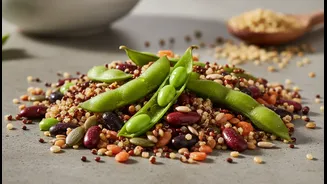
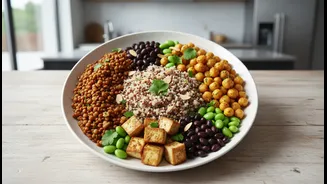
The debate over which protein source is superior is becoming more nuanced. While animal proteins are 'complete' and contain high levels of all essential amino acids, recent research confirms that well-planned plant-based diets are just as effective for muscle building and strength. The key is variety. Combining different plant sources, like dal with rice or beans with rotis, creates a complete amino acid profile. Furthermore, studies from institutions like Harvard have shown that replacing some animal proteins, particularly red and processed meats, with plant sources like nuts and legumes is linked to a lower risk of cardiovascular disease. Plant proteins also come bundled with fibre and antioxidants, offering broader health benefits.
Protein for Longevity: Why Older Adults Need More
As we age, our bodies become less efficient at using protein to build and maintain muscle, a phenomenon called 'anabolic resistance'. To combat age-related muscle loss (sarcopenia), multiple studies now strongly recommend that older adults consume more protein than their younger counterparts. The consensus is moving towards 1.2 to 1.6 grams of protein per kilogram of body weight for people over 65, especially when combined with resistance exercise. Experts also suggest aiming for around 30 grams of high-quality protein per meal to effectively stimulate muscle synthesis, with a focus on leucine, a key amino acid for muscle health.
The Protein Paradox: Can You Have Too Much?
While many benefit from increasing their protein, there's a complex side to the story. Some research in model organisms suggests that very high protein intake could be linked to increased mortality, while protein restriction might promote longevity. This creates a paradox: higher protein is needed for muscle and function, but excessive amounts might have long-term trade-offs. For most people, this isn't a major concern. The issue is less about a healthy, active individual eating a high-protein diet and more about understanding that balance is key. The focus should be on hitting optimal, not excessive, protein levels tailored to your age, health status, and activity levels.