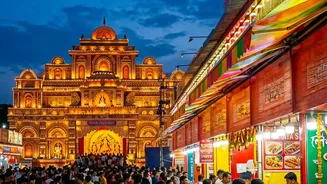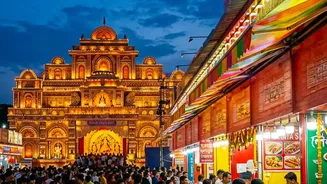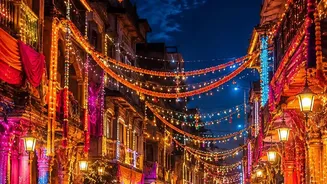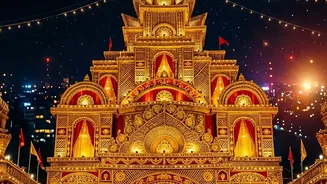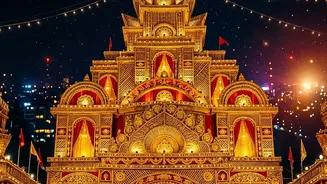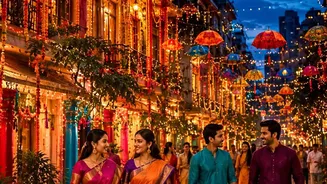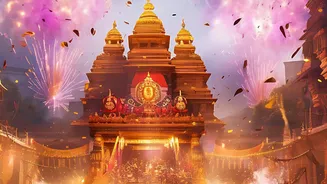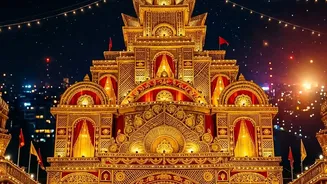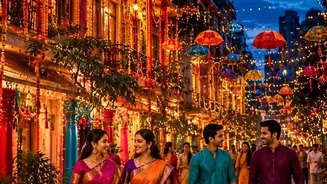





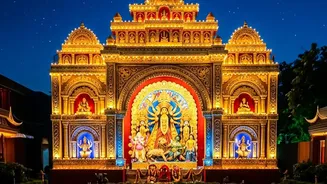
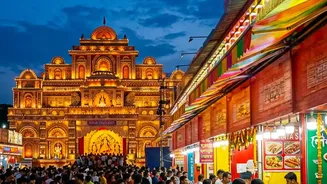
Ayodhya's Deepotsav is a spectacle of faith and light, commemorating Lord Ram's return. The 2026 celebration, held on November 7, was a testament to this, drawing millions. For those inspired to witness it, planning is everything.
Understanding the Spectacle
The heart of Deepotsav
is the breathtaking display at Ram Ki Paidi, a series of ghats on the Saryu River. For the tenth edition in 2026, the city aimed to light millions of diyas, continuing its tradition of setting world records. The main event unfolds on Choti Diwali, the day before Diwali, and includes a grand Shobha Yatra (procession), cultural programmes, the Saryu Aarti at dusk, and dazzling laser and drone shows that narrate stories from the Ramayana. This year, artists from several countries also performed Ramlila, giving the event a global cultural dimension.
The First Rule: Book Well in Advance
The biggest lesson from Deepotsav 2026 was to plan ahead. Hotels and homestays across Ayodhya reported being fully booked from early November, well before the main event on November 7. Accommodations near key areas like Ram Ki Paidi and Naya Ghat were the first to go. Many visitors had to find lodging in the wider Ayodhya Cantt area (formerly Faizabad). To secure a reasonably priced and conveniently located stay for the next Deepotsav, it is crucial to book your rooms at least a few months in advance. The same applies to travel; book flights and trains early to avoid the last-minute surge.
Getting Around the City
During the festival, navigating Ayodhya requires patience and a willingness to walk. As seen in 2026, authorities implement significant traffic restrictions and diversions to manage the enormous crowds. Vehicle movement is heavily curtailed near the main event venues. E-rickshaws are the primary mode of public transport for shorter distances, but walking is often the most reliable way to get around the busiest zones. Wear comfortable footwear, as you will likely cover a lot of ground on foot. The administration makes arrangements for drinking water and mobile toilets, but it's wise to carry your own water bottle.
Experiencing the Main Event and Beyond
For the best view of the diya lighting at Ram Ki Paidi, you must arrive by late afternoon to secure a spot. However, be prepared for massive crowds and security checks. For a less crowded but still beautiful experience, Guptar Ghat is a recommended alternative. Beyond the ghats, a visit to the Ram Janmabhoomi Mandir is a priority for most. Temple darshan is best attempted early in the morning to avoid the peak rush. Other key sites like Hanuman Garhi, which offers panoramic views of the illuminated city, and Kanak Bhawan provide a more tranquil spiritual experience away from the main surge.
Practical Tips for a Safe Visit
Safety and preparation are key. The administration deploys a massive security force, including police and paramilitary personnel, alongside drone and CCTV surveillance. Always carry a government issued ID. Dress modestly to respect the sanctity of the religious sites and wear comfortable clothes. Given the large crowds, be mindful of your belongings and establish a meeting point if you are travelling with a group. It is also useful to carry a power bank for your phone. While general darshan at the Ram Mandir is free, check the official trust website for information on booking passes for special aartis.
Planning for Deepotsav 2027
For those already dreaming of next year, Diwali 2027 falls on Friday, October 29. This means the main Deepotsav event will likely take place on Thursday, October 28, 2027. Use the lessons from the 2026 festival as your guide: start planning early, book everything months ahead, and prepare for an immersive experience that is as much about spiritual devotion as it is about navigating a city transformed by light and celebration.