


What Exactly Is Sourdough Discard?
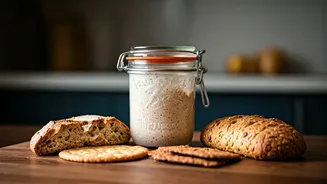
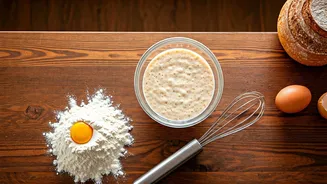
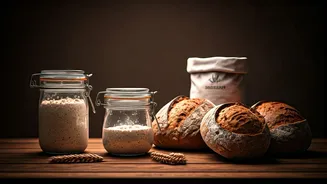
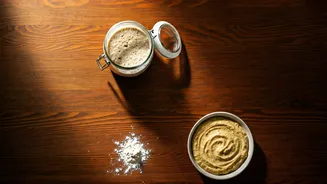
If you've ever maintained a sourdough starter—a live culture of flour and water used to make bread—you know it needs regular 'feedings' of fresh flour and water to stay healthy. To prevent your starter from growing into an unmanageable size, you have
to remove a portion before each feeding. This removed portion is called 'discard'. The name is misleading, because it's far from waste. It's a fermented mixture of flour and water, packed with flavour, even if it doesn't have the leavening power of a fully 'active' starter. Think of it as a bonus ingredient, full of tangy potential, that you get for free.
The Economics of Baking
Baking at home is often a passion, but the costs can add up. A standard loaf of sliced bread in a city like Mumbai can cost anywhere from ₹40 to ₹55, with artisanal loaves from bakeries costing significantly more. Even if you bake your own, there are recurring expenses for flour, electricity, and commercial yeast, which can cost between ₹200 and ₹300 per kilogram. While a single loaf's ingredients may seem cheap, the costs accumulate. This is where sourdough discard offers a significant financial advantage. By using it, you eliminate the need for commercial yeast in many recipes and utilize flour that would otherwise be thrown away, directly cutting down on your grocery bill.
A Tradition of 'No-Waste' Cooking
The principle of using every part of an ingredient is deeply rooted in Indian culinary traditions. From using vegetable peels to make stocks or chutneys to turning leftover rice into the next day's fried rice, the concept of a zero-waste kitchen has been practiced for generations. Embracing sourdough discard fits perfectly into this philosophy. It is the modern baker's version of turning 'waste' into wealth. Instead of throwing away a perfectly good, flavourful ingredient, you are repurposing it, respecting the resources used, and saving money—a practice many Indian grandmothers would surely approve of.
Beyond Bread: Delicious Uses for Your Discard
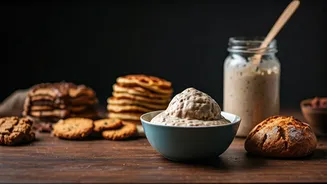
The beauty of sourdough discard is its versatility. While it may not be strong enough to raise a traditional loaf of bread on its own, it adds a wonderful tangy flavour and tender texture to a wide range of dishes. Many recipes for pancakes, waffles, crackers, and biscuits are specifically designed to use discard. For the Indian kitchen, the possibilities are even more exciting. You can incorporate discard into the batter for savoury pancakes like dosa or cheela, adding a unique fermented tang. It can also be used to make softer, more flavourful flatbreads like naan or kulcha, replacing the need for commercial yeast or baking soda in some recipes.
Getting Started Is Easy
The idea of starting a sourdough journey might seem intimidating, but it's simpler than you think. You can create a starter from scratch with just flour and water, though it takes a little patience. An easier route is to get a bit of starter from a friend who already bakes—a small amount is all you need to begin. Once your starter is established and you begin your feeding routine, you'll have a steady supply of discard. Simply collect it in a jar in the refrigerator and add to it with each feeding. It will last for several weeks, ready to be used whenever you're inspired to bake.