
The Enduring Allure of the Curve
First, let's acknowledge why we fell in love with curves. After a long period of rigid minimalism, rounded furniture swept in like a breath of fresh air. Psychologically, curves are calming. They mimic forms found in nature, like rolling hills and smooth
stones, which our brains associate with safety and relaxation. Unlike sharp corners that can feel confrontational, the gentle arc of a sofa or the rounded edge of a table guides the eye smoothly through a room, creating a sense of natural flow and movement. These pieces feel inviting, encouraging social interaction and creating cozy, nurturing environments that have become sanctuaries from a fast-paced world. From sofas that promote conversation to dining tables that foster intimacy, the appeal of curved furniture is rooted in comfort and human connection.
Understanding Scale in Interior Design
Before we can appreciate the rebalance, we must understand scale. Scale is not just about the size of a piece of furniture; it's about its proportional relationship to everything else in the room. This includes the room's dimensions (length, width, and ceiling height), architectural features, and the other furniture within it. A perfectly scaled piece feels like it belongs. An out-of-scale item, whether too large or too small, can make an entire room feel awkward. A massive, overstuffed sofa will devour a small living room, while a tiny accent chair can get lost in a large, open-plan space. The goal of good scaling is to create harmony and balance, ensuring each element complements the others and the space as a whole.
The Rebalance: Why Scale Matters Now
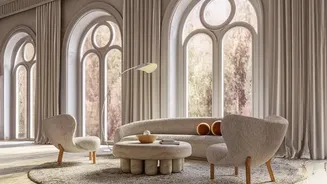
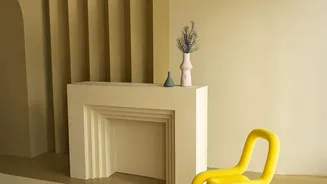
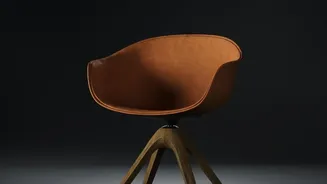
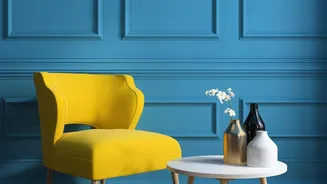
The initial wave of the curved furniture trend was about making a statement. We saw large, sculptural sofas and chunky, rounded chairs take center stage. But as the trend matures, designers and homeowners are moving beyond the novelty and focusing on thoughtful integration. This is the rebalance: an understanding that the success of a curved piece is intrinsically tied to its scale. A large, serpentine sofa might be stunning in a spacious loft, but in a modest apartment, it can overwhelm the space and impede flow. The new approach is more nuanced. It’s about choosing a curve that fits the room. Sometimes that means a grand, sweeping sectional, but more often, it might be a petite armchair with a rounded back, a circular coffee table, or even a simple arched floor lamp that introduces softness without consuming valuable floor space.
How to Master Curves and Scale
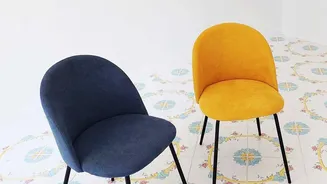
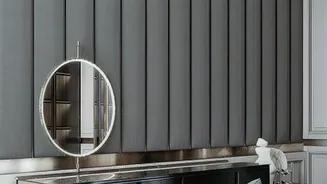
Bringing this balanced look into your home doesn't require a complete overhaul. The key is contrast and proportion. If you have a dominant curved piece, like a sofa, balance it with rectilinear elements like a rectangular rug or angular side tables. This interplay between soft and straight creates visual interest and structure. For smaller spaces, think about introducing curves in a more subtle way. An ottoman with rounded edges, a mirror with an arched top, or a pair of dining chairs with curved backs can provide that gentle, organic feel without overwhelming the room. Before committing to a large piece, always measure your space. A common mistake is choosing a curved sofa that's too deep for the room, making it difficult to navigate. Remember that curves need 'breathing room' to be fully appreciated.
The Future of the Trend is Sophisticated
The focus on scale signals that the curved furniture trend has serious staying power. It's moving from a purely aesthetic choice to a more integrated and sophisticated design principle. By considering how a curved silhouette interacts with the proportions of a room, we can create spaces that are not only stylish but also more functional and harmonious. This evolution allows the trend to be more accessible, proving that you don't need a massive living room to enjoy the softness and elegance of curves. Whether it's through a statement sofa or a collection of smaller, thoughtfully chosen accessories, the rebalanced approach is about making curves work for your home, not the other way around.