

The Report and Its Core Question
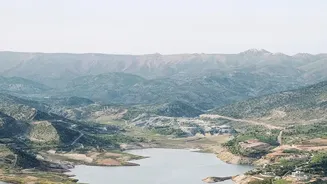
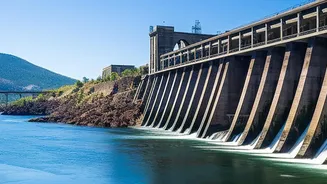
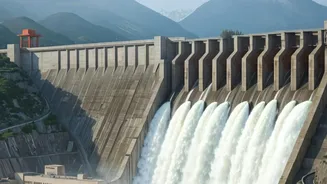
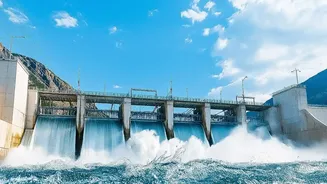
A recent New York Times report has ignited a discussion among military and environmental experts by highlighting an intriguing overlap. Researchers noticed that the locations of many of Iran's 500-plus dams and water-transfer projects correspond with
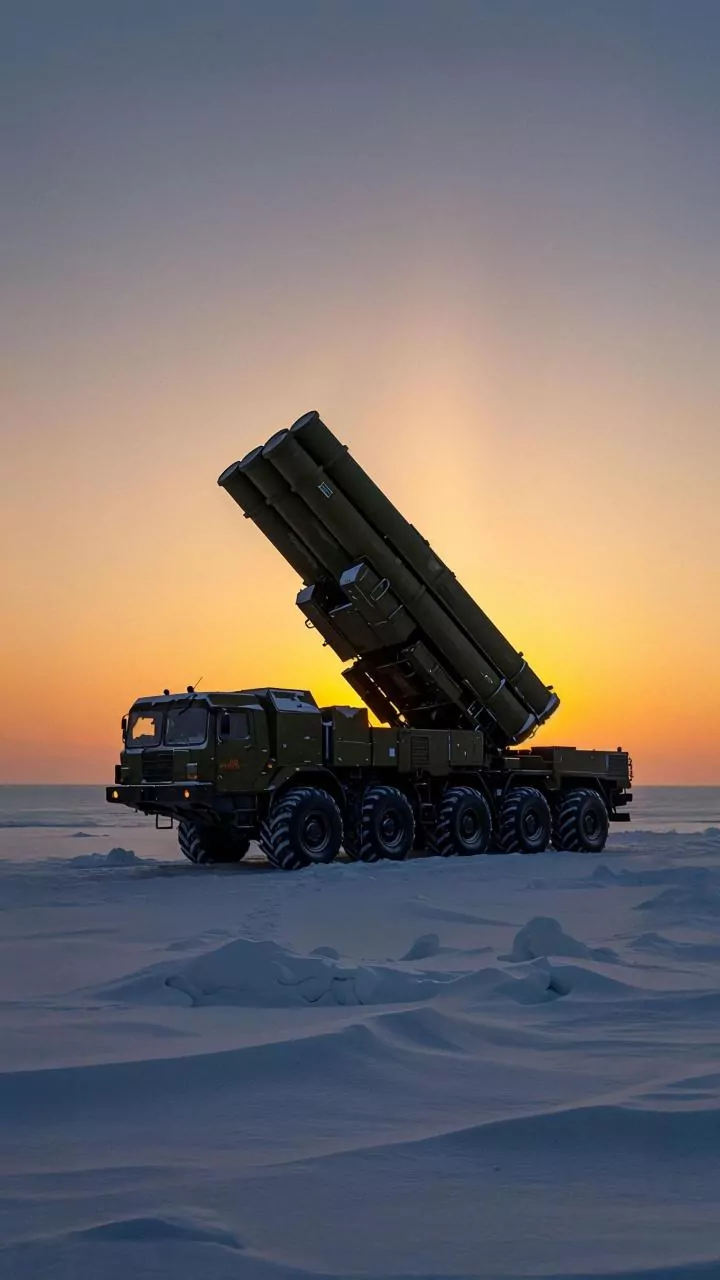
areas targeted in recent US and Israeli airstrikes against suspected missile facilities. This has led to the hypothesis that some of this water infrastructure, built over decades, might have a dual purpose: supporting Iran's sprawling, often underground, military complexes, nicknamed 'missile cities'. While the link is not proven and remains speculative, the geographical correlation has prompted experts to question if these projects were developed, at least in part, to provide a steady, independent supply of water and power to these critical defence assets.
The Strategic Logic of 'Dual-Use'
The concept of 'dual-use' infrastructure—assets that serve both civilian and military purposes—is a central element of modern warfare strategy. From a military perspective, co-locating a base with a dam could be highly logical. It would ensure 'operational continuity' for a missile facility, making it self-sufficient and independent of the national grid for power and water, which could be vulnerable in a conflict. However, this strategy carries significant risks and raises complex legal and ethical questions. Placing vital military assets next to critical civilian infrastructure, like a dam, can effectively turn that structure into a shield. Any attack on the military target would risk a catastrophic failure of the dam, leading to immense civilian harm and creating a powerful deterrent against strikes.
Iran's Emphatic Denial
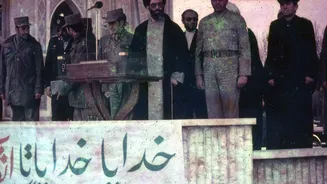
Iranian officials have strongly rejected the suggestions in the report, calling them baseless allegations designed to create a pretext for attacking civilian infrastructure. A spokesperson for Iran's water sector stated that the locations of dams are determined by geography—they are built in mountains to provide drinking water, support agriculture, and generate power—and that any link to military sites is incorrect. The spokesperson also argued that targeting such infrastructure could constitute a war crime under international law. Iran's Parliament Speaker, Mohammad Bagher Ghalibaf, went further, warning that if this logic were applied, Tehran could also consider any civilian facility near a US or Israeli base to be 'dual-use' and therefore a potential target in a future conflict.
A New Layer of Regional Complexity
Regardless of intent, the debate itself adds another layer of tension to an already volatile region. The discussion is happening amid ongoing, low-intensity conflict and heightened rhetoric between Iran, Israel, and the United States. Critics of the report fear that merely floating the 'dual-use' theory could justify future strikes on essential infrastructure, with devastating humanitarian consequences. Even some experts cited in the original article have publicly stated that proximity does not prove purpose and that civilian infrastructure must be protected. The controversy underscores the blurring lines between civilian and military spheres in modern conflict and highlights the profound risks of targeting infrastructure that millions depend on for survival.