




Beyond the Rover Hype
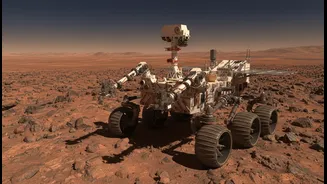
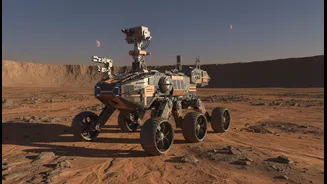
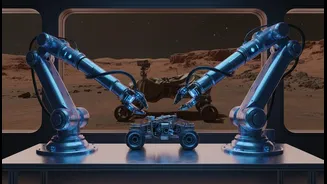
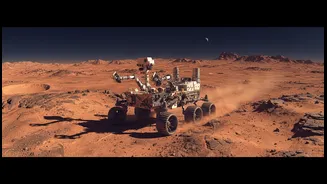
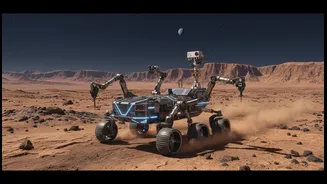
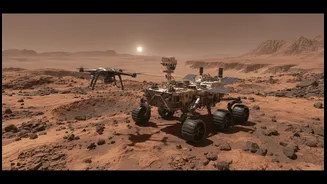
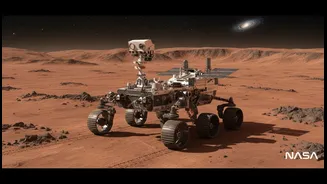
When NASA talks about sending new robots to Mars, it’s easy to imagine a next-generation Perseverance rover rolling across the red plains. While the agency’s latest contracts with seven US companies are indeed about Martian robotics, focusing solely on a new vehicle
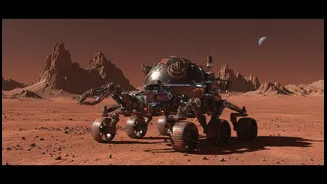
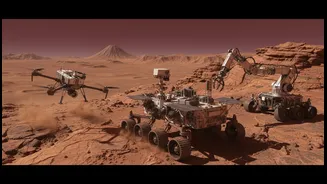
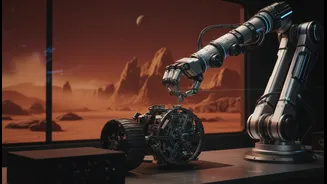
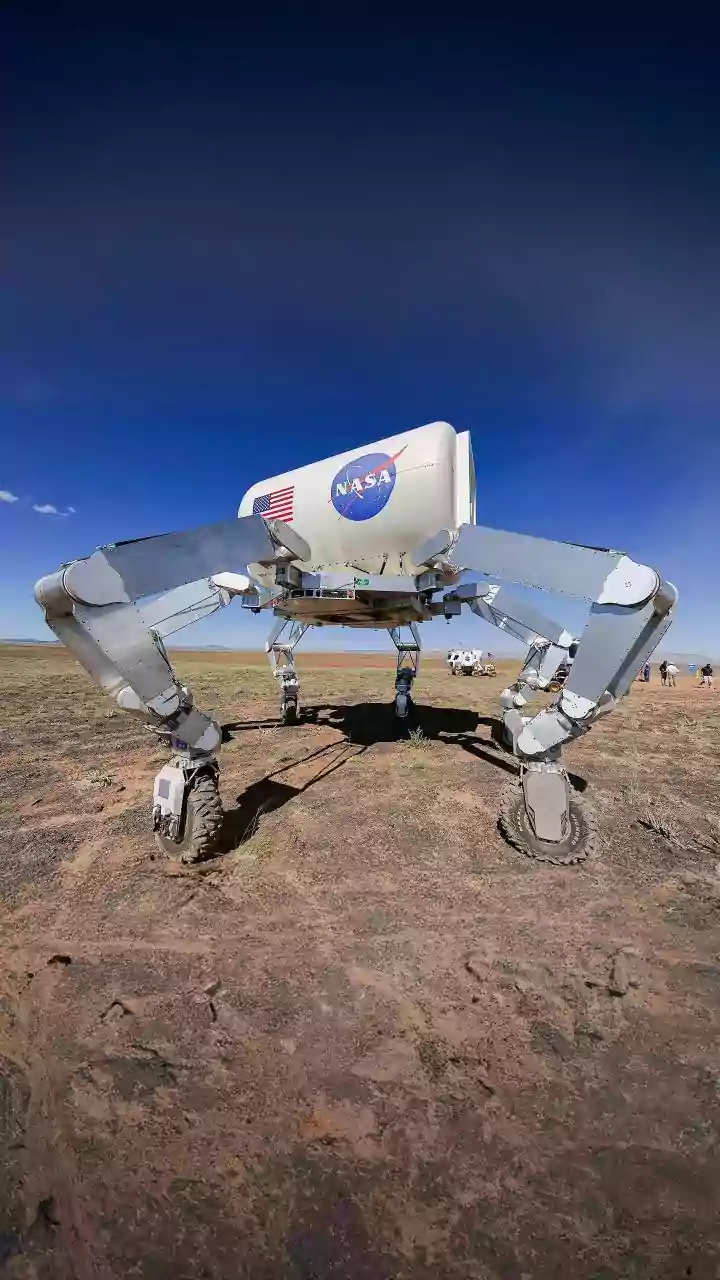
misses the point. These contracts, part of the Science Transport and Robotic Innovation for Deployment and Exploration (STRIDE) initiative, are less about building one single rover and more about creating a versatile toolkit of robotic capabilities for the challenging decades of exploration ahead. The total initial value is around $17 million—a significant investment in ideas, but not nearly enough to build and launch a full-fledged Mars mission. This isn't a single project; it's the seed for a whole new ecosystem.
The Real Mission: A Cosmic Relay Race
Many of these new robotic concepts are being developed with one of the most ambitious and complex missions ever conceived in mind: Mars Sample Return (MSR). For years, the Perseverance rover has been drilling core samples and sealing them in tubes, leaving them on the Martian surface for a future mission to collect. The challenge is immense: a future lander must arrive, deploy a system to find and pick up these tubes, launch them into Mars orbit, and have yet another spacecraft capture the orbiting container for the long journey back to Earth. The technologies funded by the STRIDE contracts are intended to develop the crucial ground game—the mobility and manipulation systems needed to successfully complete this cosmic relay race.
A New Industrial Strategy for Space
By awarding contracts to seven different companies—including AeroVironment, Astrobotic, and Intuitive Machines—NASA is doing more than just buying technology. It's cultivating a competitive commercial space industry for Mars. This strategy mirrors the success of its Commercial Lunar Payload Services (CLPS) program, which has spurred innovation and driven down costs for Moon missions by partnering with private companies. Rather than designing everything in-house, NASA is acting as an anchor customer, providing seed funding and technical goals to let a range of companies develop unique solutions. This fosters an industrial base that can serve not just NASA, but future commercial space ventures as well.
Defining 'Difficult Terrain'
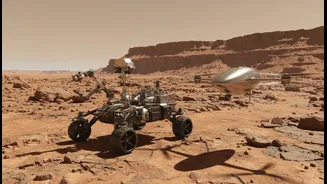
The contracts specifically call for systems that can handle "difficult terrain." This isn't just about navigating sandy pits or rocky slopes, which have challenged past rovers. The true difficult terrain of Mars is its entire operational environment. It includes extreme temperature swings that can destroy electronics, the fine, abrasive dust that clogs mechanisms, and the significant communication delays with Earth that demand high levels of robotic autonomy. These new studies will explore innovative mobility systems that can travel farther and access scientifically valuable regions that are currently out of reach for rovers like Curiosity and Perseverance, which must be operated with extreme caution.
It's Not Just About Mars
While Mars is the target, the lessons learned and technologies developed will have broader applications. NASA's strategy under the Artemis program is to create a sustainable human presence on the Moon as a stepping stone for eventual human missions to Mars. Developing a robust commercial market for deep-space robotics is a critical part of that long-term vision. The technologies for autonomous navigation, robotic manipulation, and survivability in extreme environments are just as relevant for building a lunar base as they are for exploring Mars. By investing in these capabilities now, NASA is laying the groundwork for a future where both robotic and human exploration can happen more frequently and affordably.