

The Core Finding: Price Doesn't Equal Nutrition
The latest landmark report from UN Nutrition challenges a widespread assumption: that a higher price tag means better health. The comprehensive 2026 analysis concludes that nutritional value is not directly linked to cost. Instead, it emphasizes that affordable,
accessible foods are often the most effective for maintaining a healthy diet. The report shifts the focus from 'premium' and 'luxury' branding to the concept of nutrient density—how many vitamins, minerals, and beneficial compounds are packed into a food relative to its calories. In many cases, humble staples outperform their high-priced counterparts in this regard. This isn't just about saving money; it's about fundamentally rethinking what makes a food valuable to our bodies.
Deconstructing the 'Premium' Food Myth
Marketers are skilled at creating an aura of superiority around certain products. Labels like 'artisanal', 'gourmet', 'heritage', or even just sleek packaging can convince us we're making a healthier choice. Studies have shown that consumers often automatically assume a higher-priced item is more nutritious, a bias known as the 'healthy = expensive' intuition. The UN report urges consumers to look past this marketing. It clarifies that while some expensive items might be healthier, price is primarily an economic signal, not a biological one. Your body doesn't recognize brand names or fancy labels; it recognizes nutrients. The report encourages a focus on the ingredient list and basic nutritional facts over the story a brand is trying to sell.
The Power of Pulses, Grains, and Local Produce
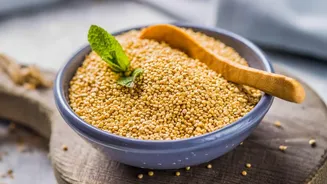
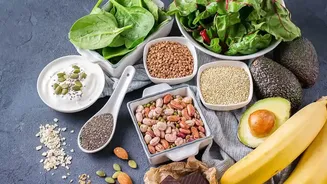
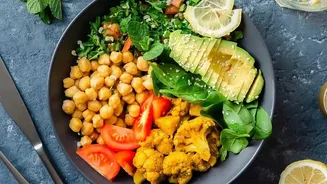
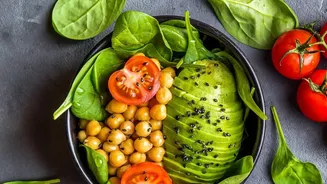
A key takeaway from the report is the incredible value of inexpensive plant-based foods. Lentils, beans, chickpeas, and whole grains like brown rice and oats are highlighted as nutritional powerhouses that are both affordable and sustainable. These foods are packed with protein, fiber, iron, and other essential nutrients. They are filling, support weight management, and have been linked to a reduced risk of chronic diseases. For Indian households, this is great news, as many of these ingredients are already staples of traditional cuisine. The report reinforces the wisdom of a diet rich in dal, chana, and whole-wheat rotis, suggesting that these everyday meals are a cornerstone of good health.
Don't Dismiss Frozen and Canned Options
The idea that only fresh produce is healthy is another myth the report dispels. Frozen and canned fruits and vegetables can be just as nutritious—and sometimes even more so. Produce is often frozen or canned at its peak ripeness, which locks in vitamins and minerals that can degrade over time in fresh produce during transport and storage. These options are also significantly cheaper and have a much longer shelf life, reducing food waste and saving you money. The key is to choose wisely: look for canned vegetables with no added salt and fruits canned in their own juice rather than heavy syrup. Canned fish like sardines and beans are also excellent, affordable sources of protein and healthy fats.
Making Smart, Affordable Choices
Adopting the report's findings doesn't require a complete dietary overhaul. It’s about making small, informed shifts in your shopping habits. Instead of assuming the organic, imported vegetable is better, consider its fresh, local equivalent. Rather than splurging on a premium-branded cereal, check the label of a store-brand oatmeal. Prioritize whole foods over highly processed ones. A recent study found that the cheapest processed foods often contain significantly more additives, sugar, and sodium than their pricier counterparts, highlighting the difference between cheap whole foods (like lentils) and cheap processed foods (like instant noodles). Focusing on staples and cooking more at home are powerful tools for both your health and your wallet.