

A Landscape Primed for Disaster
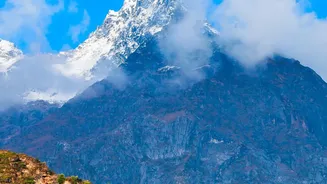
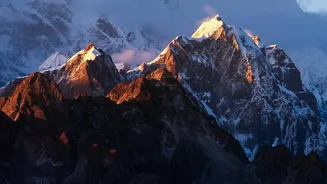
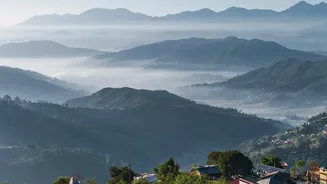
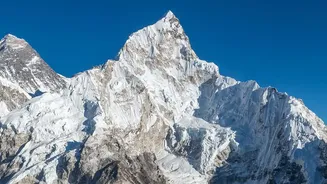
To understand why disasters in Nepal are so interconnected, you first have to look at the land itself. The country is home to the towering Himalayas, which are geologically very young and active mountains. This means the terrain is incredibly steep, rugged,
and unstable. Nepal sits at the collision point of the Indian and Eurasian tectonic plates, a zone of immense geological pressure that is periodically released as earthquakes. This constant seismic activity keeps the landscape in a fragile state. Compounding this is the powerful South Asian monsoon, which dumps about 80% of the country's annual rainfall between June and September. The combination of steep, weak slopes and intense seasonal rain sets the stage for what experts call "cascading hazards," where one event systematically triggers the next.
The Cascade Effect: From Quake to Flood
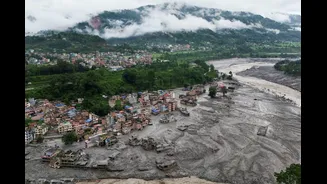
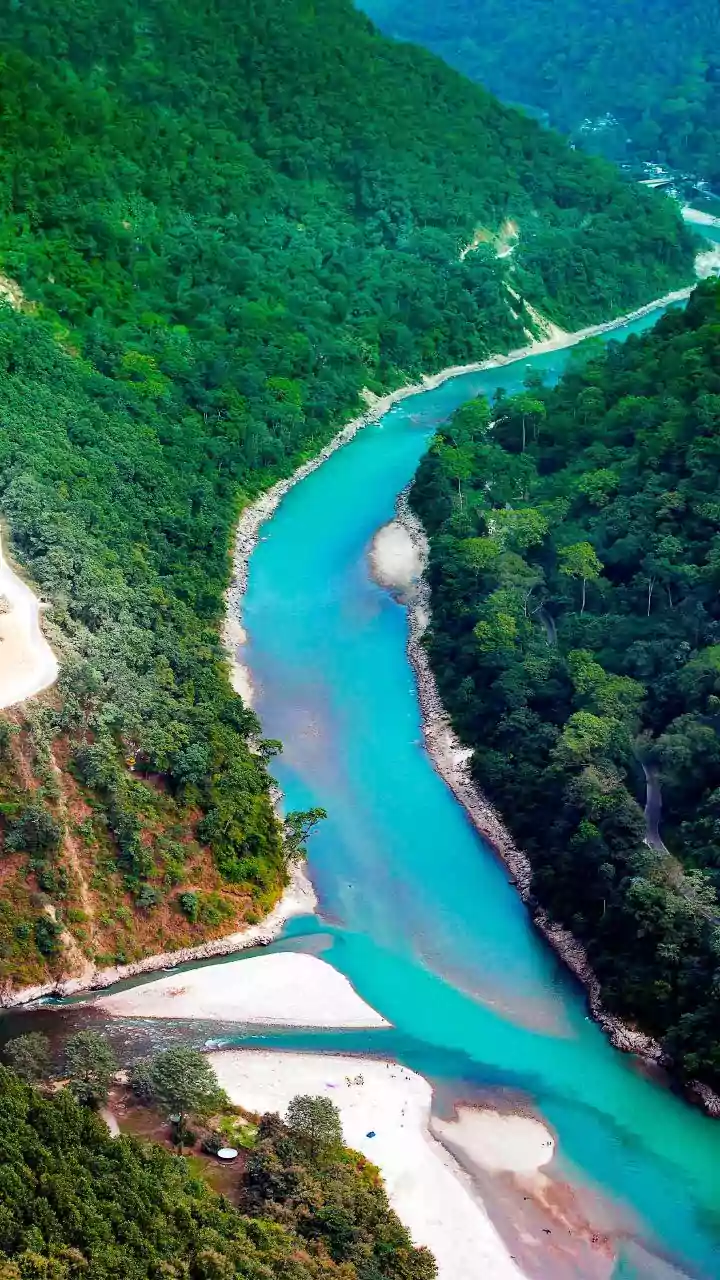
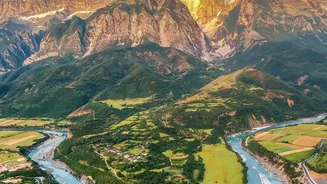
A classic example of this deadly chain reaction often begins with an earthquake. A significant tremor doesn't just damage buildings; it violently shakes the mountains, weakening rock and destabilizing soil across vast areas. These slopes are then primed for the next trigger: the monsoon. When heavy rains arrive, they saturate the already fractured ground, turning hillsides into mud and debris. This triggers widespread landslides, which are a major hazard in their own right. But the chain doesn't stop there. When a massive landslide crashes into a narrow mountain valley, it can block a river, forming a temporary dam made of loose rock and soil. Water builds up behind this unstable barrier, creating a large lake. Eventually, the immense pressure of the water breaks through the dam, or the dam simply collapses. This results in a catastrophic downstream event known as a Landslide Dam Outburst Flood (LDOF), a sudden, violent surge of water and debris that can wipe out entire communities far from the original landslide.
A Warming Threat from the 'Third Pole'
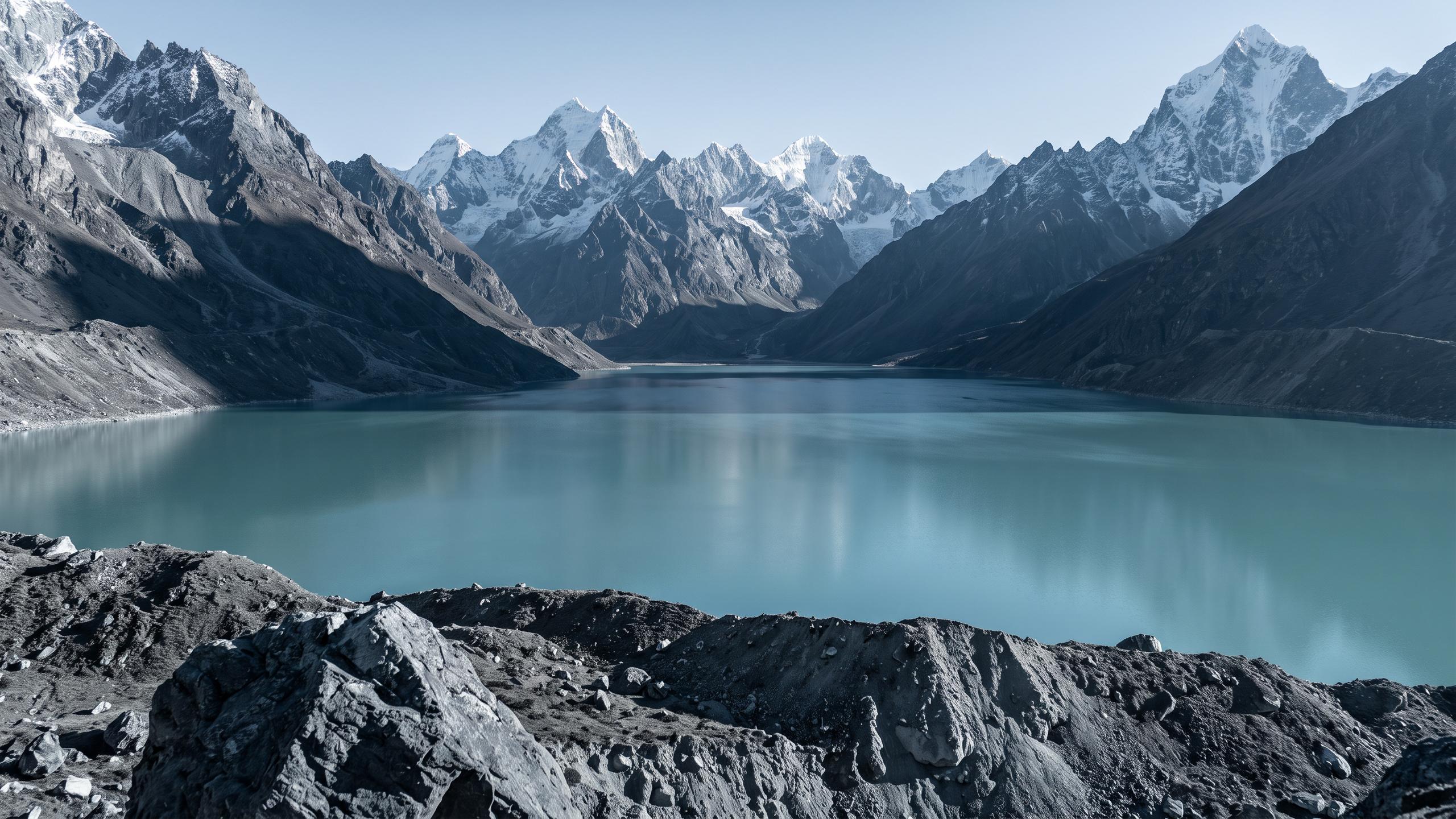
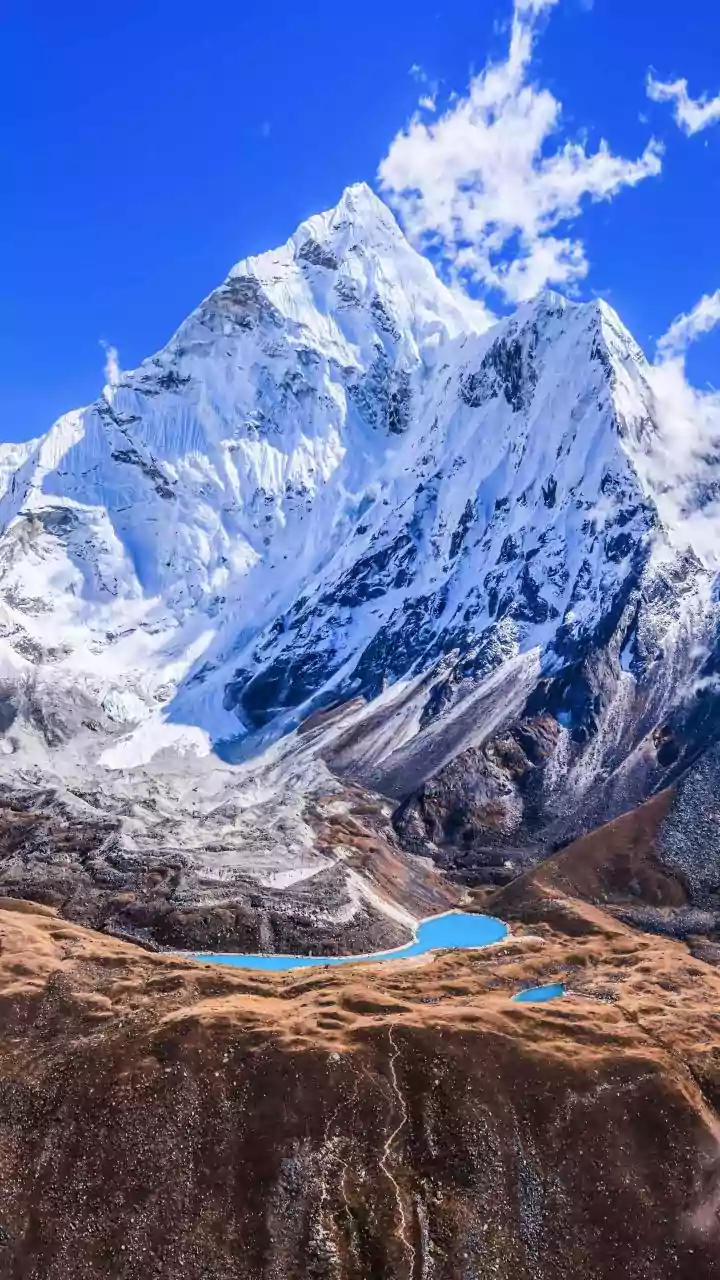
Climate change is adding another dangerous link to this chain. The Himalayas are often called the 'Third Pole' because they hold the largest concentration of ice and glaciers outside the polar regions. As global temperatures rise, these glaciers are melting at an accelerating rate. This meltwater is forming new and expanding existing glacial lakes, which are often held back only by moraines—natural dams of loose rock and soil left behind by retreating glaciers. These moraine dams are inherently unstable and can be breached by several triggers, including a nearby landslide, an avalanche of rock or ice falling into the lake, or even just the pressure from rising water levels. The result is a Glacial Lake Outburst Flood (GLOF), a hazard similar to an LDOF but originating at much higher altitudes. These events are becoming a more frequent threat, adding another layer of risk that begins with warming temperatures and ends with devastating floods downstream.
The Human Factor and Future Challenges
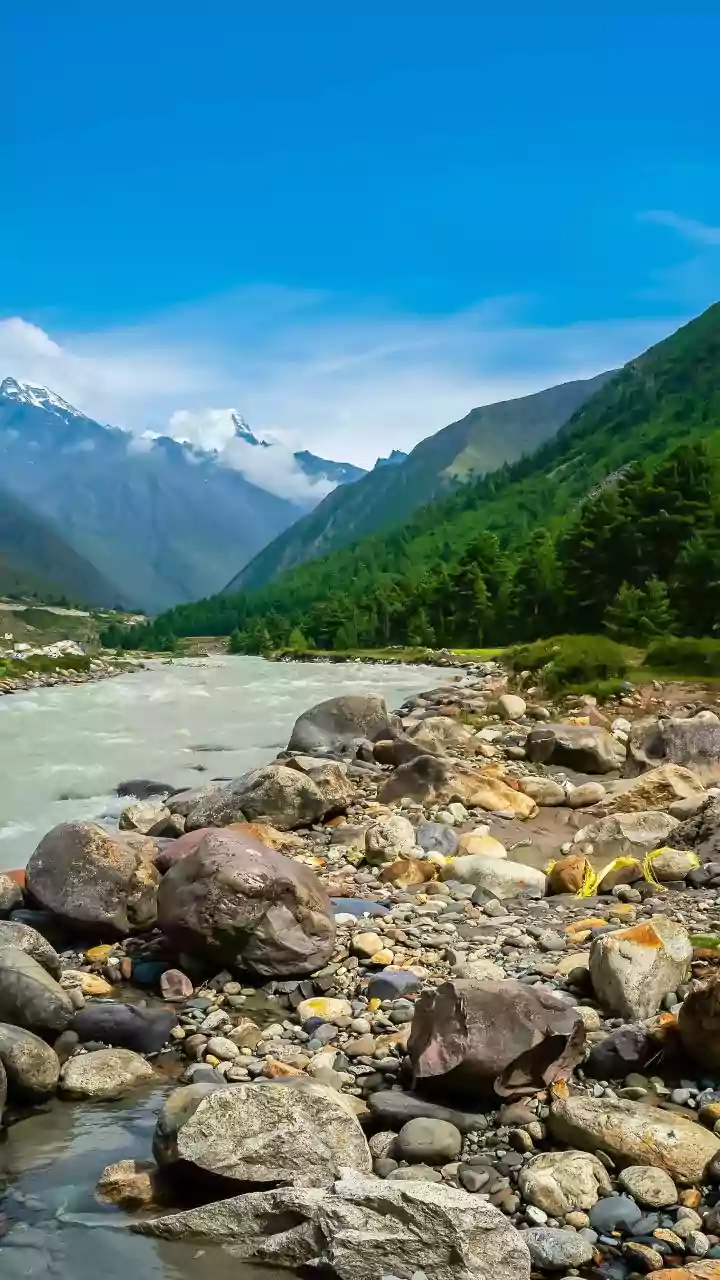
Human activity also plays a critical role in exacerbating these linked hazards. The rapid and often unplanned construction of roads across steep hillsides is a major contributor to landslide risk. These roads, frequently built without proper engineering or drainage, cut into the landscape, creating artificial slopes that are highly prone to failure during heavy rains. Settlements and vital infrastructure like hydropower plants are often built in vulnerable river valleys, placing them directly in the path of potential outburst floods. This complex web of interconnected risks presents a huge challenge for disaster management. Authorities in Nepal cannot simply plan for a flood or an earthquake in isolation. They must adopt a multi-hazard approach, understanding that the end of one disaster may only be the beginning of another, and that what happens high in the mountains can have catastrophic consequences for those living many kilometres downstream.