



An Escape into Serene Seraj
Shoja is a small village situated in the Kullu district of Himachal Pradesh, a quieter cousin to the bustling tourist spots of Manali or Shimla. Located at an altitude of over 8,000 feet, it serves as a tranquil base for those looking to disconnect from
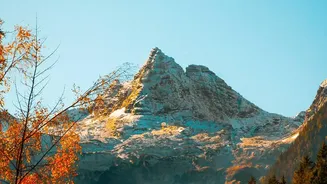
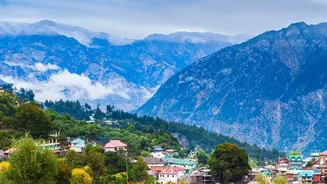
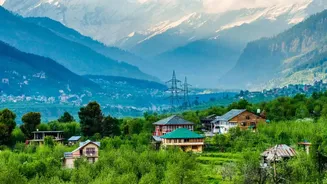
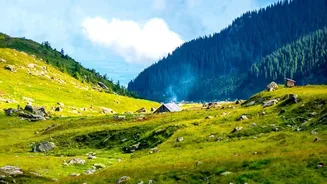
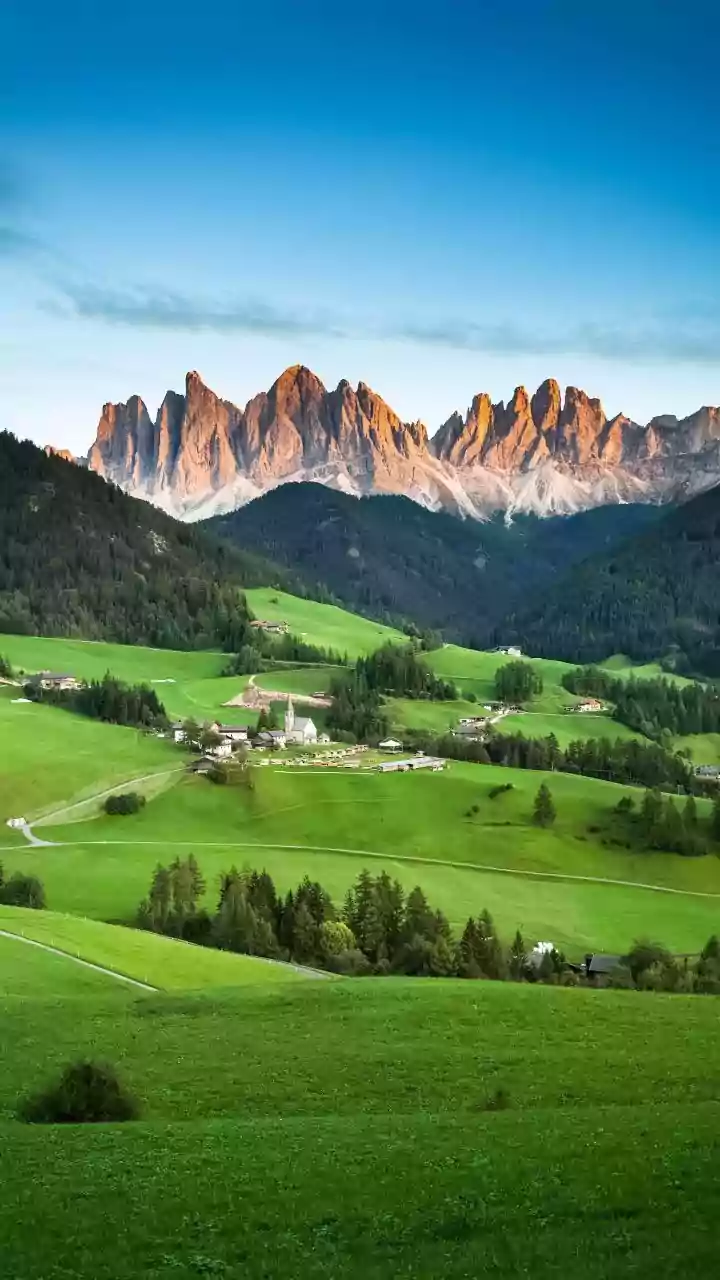
city life and immerse themselves in nature. Unlike destinations packed with attractions, Shoja's primary allure is its pristine environment and unhurried pace. The village itself is small enough to be explored on foot in under half an hour, yet it opens up a world of natural splendour, from dense deodar and oak forests to stunning Himalayan vistas.
The Majestic Pine and Deodar Forests
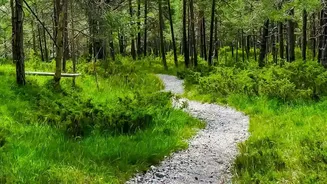
The journey to Shoja itself is a precursor to its beauty, with roads winding through thick pine and deodar forests that create a natural canopy. These forests are the heart of the Shoja experience. Taking a walk on the myriad trails is one of the most rewarding activities here. The air is rich with the scent of pine, and the silence is broken only by the chirping of birds. The region is a paradise for birdwatchers, with species like the Himalayan Monal making an appearance. Whether you are on a dedicated trek or a simple evening stroll, the enchanting forests are a constant, calming presence.
Trekking to Jalori Pass and Serolsar Lake
Shoja’s most famous excursions begin at Jalori Pass, located just 5 km away. This mountain pass, sitting at over 10,000 feet, connects the Kullu and Shimla regions and offers breathtaking panoramic views. From the pass, a popular and relatively easy trek of about 5-6 km leads to the sacred Serolsar Lake. The trail winds through a dense oak forest and is considered beginner-friendly, taking about two hours each way. The lake itself is a picture of serenity, with a small temple dedicated to Budhi Nagin, whom locals believe to be its guardian. Another trek from the pass leads to the ruins of Raghupur Fort, which provides even more expansive 360-degree views of the surrounding Himalayas.
Waterfalls and Pristine Streams
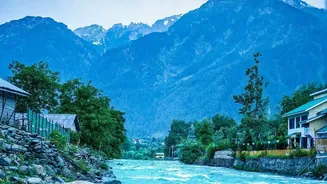
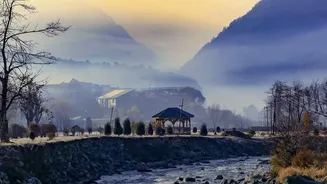
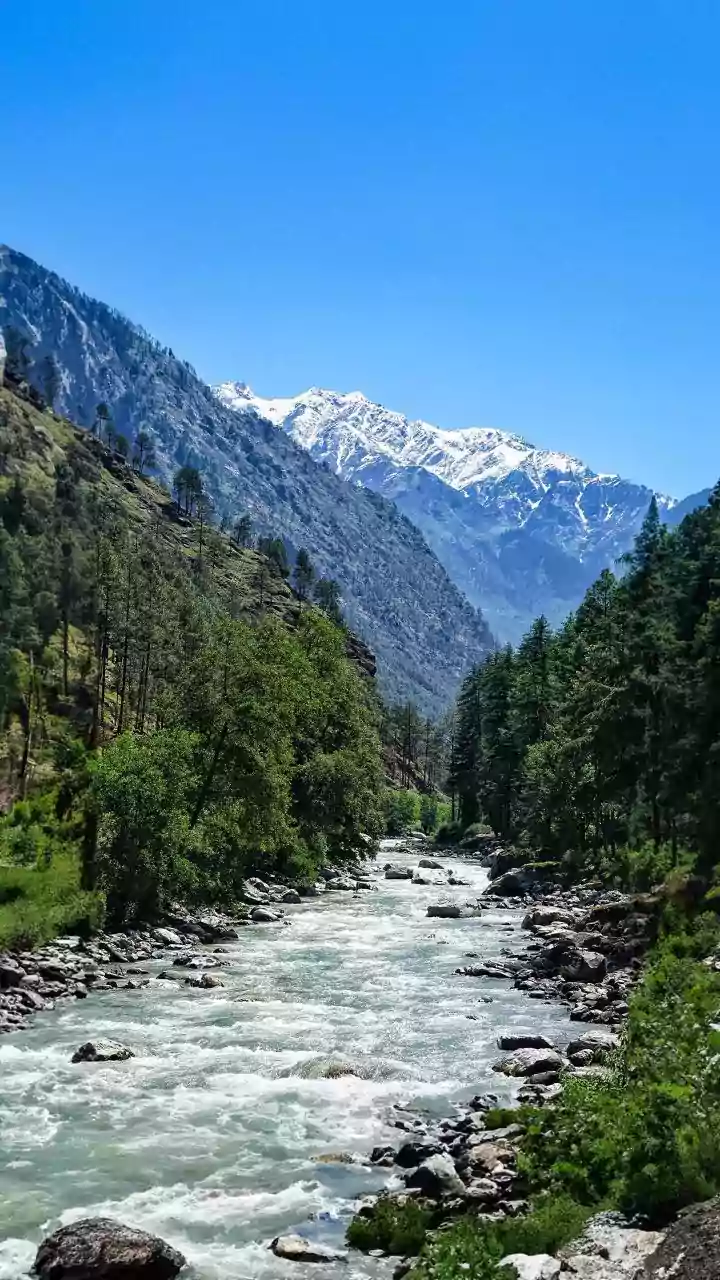
The area around Shoja is dotted with small waterfalls and crystal-clear streams, fulfilling the headline's promise of alpine waters. A well-known waterfall point is just a short walk from the main village, offering a refreshing spot to relax. The entire Tirthan Valley, of which Shoja is a part, is renowned for the Tirthan River, where trout fishing is a popular activity for enthusiasts. Exploring the streams that feed into this larger river system is a simple joy, offering countless opportunities for quiet contemplation by the water.
How to Plan Your Visit
Reaching Shoja requires a bit of a journey, which helps maintain its offbeat charm. The most common route is to take an overnight bus from Delhi or Chandigarh to Aut. From Aut, you can hire a taxi or take a local bus for the winding uphill journey through Banjar and Jibhi to Shoja. The nearest airport is Bhuntar (Kullu), about 65-70 km away. The best time to visit is from April to June for pleasant weather and blooming flowers, or from September to November for crisp air and clear skies post-monsoon. Winters (December to February) bring heavy snowfall, which can be beautiful but may lead to road closures, especially for Jalori Pass.
Where to Stay and What to Eat
Accommodation in Shoja largely consists of charming homestays, guesthouses, and a few hostels, rather than large commercial hotels. This offers a wonderful opportunity to experience local Himachali hospitality. You'll find options ranging from budget-friendly hostels like Zostel and Moustache to cozy homestays offering valley views. When it comes to food, don't miss out on trying local Himachali dishes. Many homestays and local dhabas serve traditional meals like Siddu (a steamed bun) and Madra (a chickpea curry). Enjoying a simple, flavourful meal amidst the mountains is an essential part of the Shoja experience.