






The Plate and the Planet
The link between food and the environment is becoming undeniable. Global food production is a major contributor to greenhouse gas emissions, a primary driver of deforestation, and responsible for around 70% of freshwater withdrawals. From the farm to your
fork, every step—cultivation, processing, transportation, and cooking—carries an environmental cost. This entire process is often referred to as a food's 'footprint'. The 'new model' isn't a complex scientific formula, but a shift in perspective: understanding that our dietary patterns have a direct and cumulative impact on the planet's health. This model encourages us to see our food not just as sustenance, but as a daily interaction with the global ecosystem.
Decoding Your Thali's True Cost
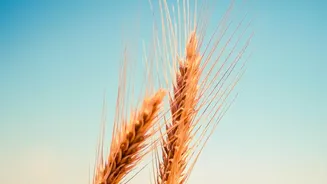
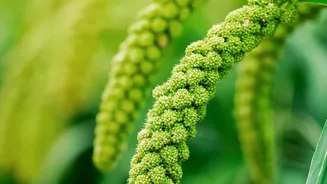
In an Indian context, the ecological costs can vary dramatically between seemingly similar meals. Studies show that a meal with mutton can have a greenhouse gas emission nearly 1.8 times that of a vegetarian meal. Even within vegetarian options, the choices matter immensely. Rice, a staple for millions, is a water-intensive crop and a significant source of methane emissions, a potent greenhouse gas. In fact, the greenhouse gas emission during the lifecycle of cooked rice can be almost three times that of chapati made from wheat. In contrast, traditional grains like millets (Shree Anna) require up to 70% less water, are more resilient to drought, and have a much lower carbon footprint, making them a powerhouse of both nutrition and sustainability.
Small Changes, Big Impact
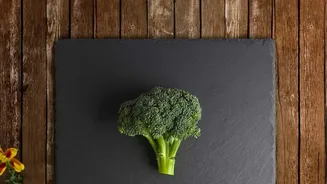
Adopting a more ecologically conscious diet doesn't require a radical overhaul. It's about making small, informed swaps. Embracing 'Meatless Mondays' or simply reducing the frequency of red meat consumption can make a substantial difference, as non-vegetarian dishes can have a carbon footprint over twice that of vegetarian ones. Swapping rice for millets like bajra, ragi, or jowar a few times a week is another powerful step. These ancient grains are not only better for the environment but are also packed with more fibre and micronutrients. Furthermore, choosing local and seasonal produce reduces 'food miles'—the distance your food travels from farm to plate—which cuts down on transport emissions. Since most emissions from food in India come from the production stage itself, supporting local and sustainable farming practices is crucial.
The Hidden Cost of Waste
The ecological impact of food doesn't end after a meal. Food waste is a massive, often overlooked, problem. In India, it's estimated that 30-40% of all food produced is never consumed. When this food ends up in landfills, it decomposes and releases methane, a greenhouse gas significantly more potent than carbon dioxide. An average Indian household can throw away over 50 kgs of food annually. This means the water, land, and energy used to produce that food are also wasted. Being mindful of portion sizes, creatively using leftovers, and planning meals can drastically cut down on waste, turning a major environmental problem into a simple, actionable solution at home.
More Than Just a Meal
Ultimately, this new model of thinking is about empowerment, not guilt. It reframes our daily meals as a series of opportunities to vote for a healthier planet. The traditional Indian thali, with its emphasis on plant-based proteins like dals, a variety of vegetables, and whole grains, is already considered a highly sustainable model. By consciously incorporating more of these traditional, climate-resilient foods and practices, we are not just eating better for our own health; we are participating in a collective effort to reduce our environmental footprint. Every meal becomes a quiet statement of purpose, connecting our personal well-being with the long-term health of the world we all share.