







The Great Fuel Switch
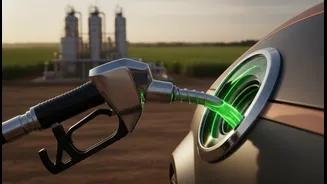
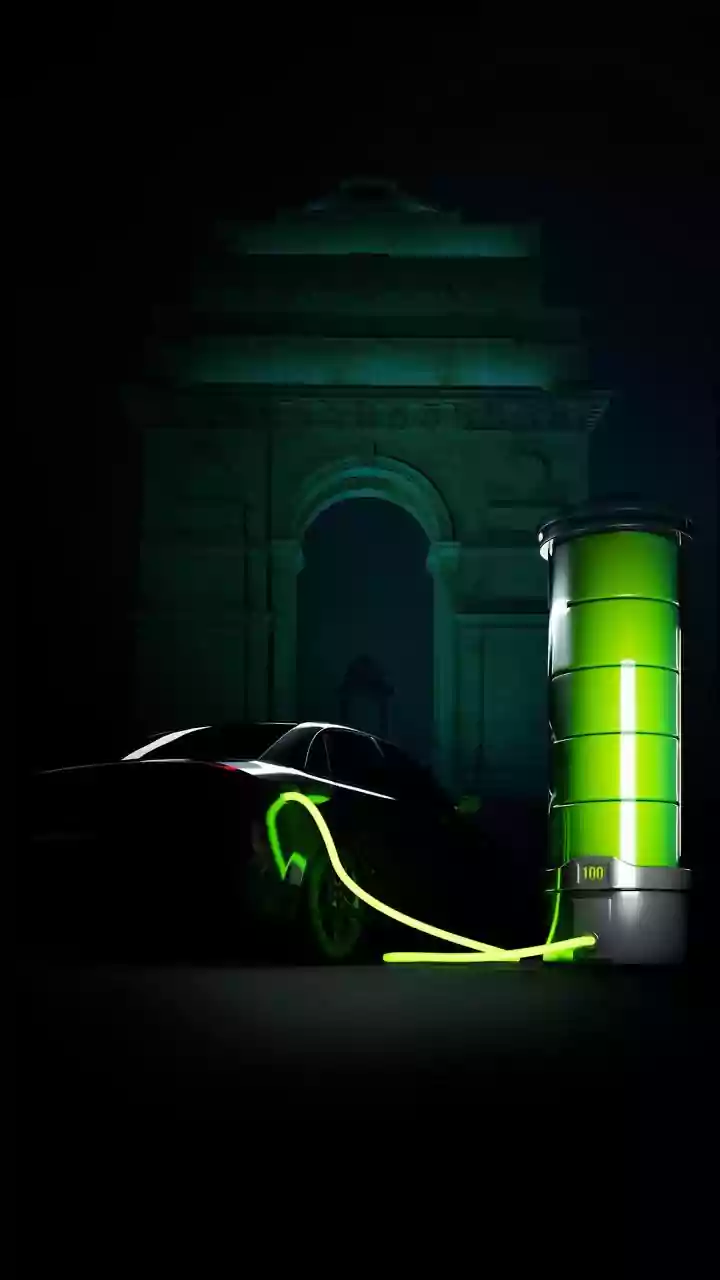
India has aggressively fast-tracked its ethanol blending programme, making E20 fuel mandatory at petrol stations across the country as of 2026. The original goal to achieve a 20% blend was set for 2030, but the target was advanced to 2025 and largely
met, marking one of the world's quickest transitions to higher ethanol-blended petrol. This policy is driven by a desire to reduce the nation's heavy dependence on imported crude oil, cut down on vehicle emissions, and boost the agricultural sector by creating a new market for crops like sugarcane and maize. While the environmental and economic goals are clear, the move has sent ripples through the automotive service industry.
New Fuel, New Problems
For vehicle owners and mechanics, E20 is more than just a different fuel; it's a different chemical reality. Ethanol is hygroscopic, meaning it absorbs moisture from the air, and it's more corrosive than traditional petrol. In vehicles not specifically designed for it—particularly models made before 2023—this can lead to a host of problems. Owners have reported issues ranging from a drop in mileage of 5-10% to sluggish acceleration. The more serious concerns involve long-term damage. Ethanol can degrade rubber and plastic components in the fuel system, such as fuel lines, gaskets, and seals, leading to leaks and blockages. It can also cause corrosion in metal parts of the fuel tank and engine over time, creating a need for specialised diagnostic and repair skills.
A New Skillset for the Workshop
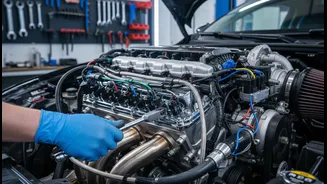
The challenges posed by E20 fuel mean that the neighbourhood mechanic's traditional skillset is no longer sufficient. Servicing modern E20-compatible and flex-fuel vehicles requires a deeper understanding of material science, fuel chemistry, and advanced engine diagnostics. Technicians must now be able to identify materials that are resistant to ethanol's corrosive effects and know which parts need to be replaced with E20-compliant versions. They need proficiency in diagnosing issues unique to ethanol blends, such as moisture contamination in the fuel system, clogged fuel injectors, and sensor malfunctions caused by the different fuel composition. This is a shift from purely mechanical knowledge to a mechatronic approach, combining mechanical, electronic, and software skills.
The Upskilling and Training Gold Rush
Recognising this skills gap, the Indian automotive sector is witnessing a training and upskilling boom. The Automotive Skills Development Council (ASDC) is at the forefront, developing new curricula and certification programs for technicians. These courses specifically cover flex-fuel engine systems, design, and analysis of how different ethanol blends affect vehicle performance. The ASDC has developed qualification packs for roles like "Flex Fuel Engine Designer" and offers numerous courses to prepare the workforce for new technologies, including EVs and alternative fuels. In FY2025-26 alone, the ASDC trained over 5 lakh individuals to meet the rising demand for skilled talent. Automakers and independent training institutes are also launching programs to retrain their existing workforce and equip new entrants with the necessary competencies.
Meeting a Surge in Demand
With millions of vehicles now running on E20 fuel, the demand for qualified maintenance technicians is not a temporary spike but a long-term structural shift in the job market. Every vehicle, whether it's an older car struggling with the new fuel or a brand-new E20-compliant model, will require routine maintenance and occasional repairs from technicians who understand the nuances of ethanol blends. This sustained demand is creating secure, well-paying jobs for those with the right skills and certifications. As India continues its journey toward cleaner fuels and more complex vehicle technologies like flex-fuel and electric vehicles, the role of the highly skilled, adaptable technician will only become more critical to keeping the nation's wheels turning.