






The New Epicentres of Growth
For years, the narrative of online food delivery in India was dominated by cities like Mumbai, Delhi, and Bengaluru. However, the real story is now unfolding in the nation's Tier-2 and Tier-3 cities. According to recent industry reports, transaction volumes
in these smaller urban centres have dramatically increased, with one report from Redseer noting a tripling of transactions from 60 million in FY21 to 180 million in FY26. While metros still account for the bulk of orders, the pace of growth in cities like Jaipur, Lucknow, Coimbatore, and Patiala is setting a new course for the industry. This surge signifies more than just an expansion; it marks a structural shift where the next wave of digital consumers is coming from beyond the traditional metropolitan hubs, now accounting for 20-25% of the market's gross order value.
What's Fuelling the Hunger?
Several factors are converging to create this perfect storm of digital adoption in smaller cities. The foundational layer is the unprecedented proliferation of affordable smartphones and low-cost data plans, which have brought millions online. This, combined with the convenience of digital payment systems like UPI, has removed major barriers to entry for first-time users. Beyond technology, there's a powerful socio-economic shift at play. Rising disposable incomes, changing lifestyles with longer working hours, and the growing aspirations of a young, digitally-savvy population in Tier-2 cities are fuelling the demand for convenience. Ordering in is no longer seen as an occasional luxury but as a practical solution for busy professionals, students, and nuclear families.
A Recipe for Local Success
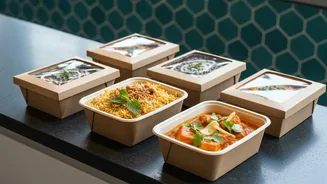
This trend is having a profound impact on local economies. For small and medium-sized restaurants in these cities, food delivery platforms like Zomato and Swiggy have opened up a new, expansive channel to reach customers beyond their physical vicinity. Many local eateries have embraced these platforms to boost sales and enhance their brand visibility. The rise of 'cloud kitchens'—delivery-only restaurants without a physical storefront—is another key development. This model allows entrepreneurs to enter the market with lower capital investment, catering specifically to the burgeoning online demand and offering a wider variety of cuisines. Digital-first restaurant brands are reportedly growing 1.5 times faster than the broader organised market, driven by their deep penetration into these emerging cities.
Challenges on the Menu
Despite the explosive growth, the expansion into Tier-2 and Tier-3 cities is not without its hurdles. Logistical challenges, including last-mile delivery in areas with less developed infrastructure, can be complex. For restaurants, the high commission fees charged by aggregator platforms remain a significant concern, often squeezing already thin profit margins. This has led some restaurant owners to explore alternative delivery models to regain control over their pricing and customer relationships. Furthermore, ensuring a consistent quality of service and managing customer expectations across a geographically diverse and fragmented market is a continuous challenge for the delivery platforms themselves as they scale their operations.
The Road Ahead
The future of India's food delivery market is undeniably being written in its smaller cities. Projections indicate that the overall market could grow from around $90 billion in 2025 to nearly $150 billion by 2030, with online delivery's share expected to increase significantly. To sustain this momentum, platforms are innovating with affordability-led offerings and loyalty programs to turn new users into habitual customers. They are increasingly focused on engagement and order frequency rather than just new user acquisition. This shift is not just about delivering food; it's about delivering convenience, choice, and a new digital experience to every corner of the country, marking a critical maturation of India's digital economy.