





The Great Battery Barrier
For the average Indian commuter, switching to an electric two-wheeler (E2W) makes perfect sense on paper. Lower running expenses, zero emissions, and reduced maintenance are compelling advantages. Yet, the initial purchase price remains a significant
hurdle for mass adoption. The primary culprit behind this high cost is the battery pack, which can constitute up to 40-50% of the vehicle's total price. Historically, most electric vehicles have relied on lithium-ion batteries, particularly those with Nickel Manganese Cobalt (NMC) chemistry. While powerful, these batteries use expensive and often volatilely priced raw materials like cobalt and nickel, the supply chains for which are concentrated in a few countries. This reliance on imported materials and cells has kept E2W prices stubbornly high, placing them just out of reach for a large segment of the market.
A Cheaper Alternative: Sodium-Ion
Enter sodium-ion (Na-ion) battery technology, a promising and cost-effective alternative that is now moving towards commercialisation in India. Instead of lithium, these batteries use sodium, the sixth most abundant element on Earth, which can be sourced cheaply and easily. This fundamental shift in materials dramatically lowers the cost. But the advantages don't stop there. Sodium-ion batteries are inherently safer due to higher thermal stability, reducing the risk of fire incidents—a critical concern for vehicle owners. They also perform significantly better in extreme temperatures, maintaining up to 90% of their capacity even at -40°C, a huge advantage over some lithium-ion chemistries that struggle in the cold. With Indian companies like Reliance and KPIT Technologies actively developing the technology, and some prototypes already demonstrated, sodium-ion batteries are poised to make entry-level EVs much more accessible.
The Rise of Smarter LFP Batteries
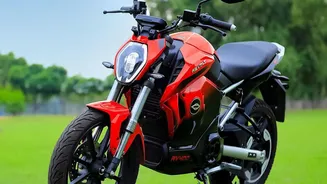
While sodium-ion is the new challenger, another existing technology is also getting a major cost-cutting upgrade: Lithium Ferro-Phosphate (LFP). LFP batteries have been around for a while, known for being safer and more durable than their NMC counterparts. They don't use expensive cobalt, instead relying on abundant iron and phosphate. For years, their lower energy density meant they were heavier and offered less range for the same size. However, recent innovations in cell design and packaging have narrowed this gap significantly. In 2026, LFP battery cells are roughly 20-30% cheaper per kilowatt-hour than NMC cells. This translates directly into a lower sticker price for the consumer. Ola Electric, for instance, recently launched its S1Z scooter range using its own locally developed LFP battery cells, which it states has significantly lowered costs for the mass market. LFP's longer lifespan—often capable of 3,000 or more charge cycles—also means better long-term value for the owner.
The Power of 'Make in India'
The shift in battery chemistry is only half of the cost-reduction story. The other crucial element is localisation. For years, India has been assembling battery packs using imported cells. This reliance on imports exposes manufacturers to supply chain disruptions and currency fluctuations. The Indian government's push for domestic battery manufacturing is a game-changer. By producing LFP and, eventually, sodium-ion cells within the country, companies can slash import duties and logistics costs. Local production allows for the development of batteries specifically optimized for Indian road and weather conditions, further enhancing their performance and longevity. While building a complete domestic ecosystem from mineral processing to cell manufacturing will take time, every step towards localisation helps create a more resilient supply chain and brings down the final cost for consumers.