

The modern Indian kitchen is a battleground of choices: the comforting, timeless dal versus the trendy, 'superfood' quinoa. Both promise health benefits, but how do they really stack up on your plate and in your budget? Let's break it down.
The Nutritional Showdown
When comparing
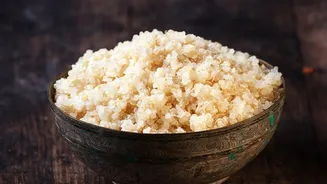
cooked dal (lentils) and cooked quinoa, lentils often come out ahead in key areas. A cup of cooked lentils packs a powerful punch with approximately 18 grams of protein and 15 grams of dietary fibre. In contrast, the same amount of cooked quinoa provides about 8 grams of protein and 5 grams of fibre. While both are nutritious, lentils offer significantly more protein and fibre, which are crucial for satiety, muscle repair, and digestive health. Where quinoa shines is in its mineral profile, often containing more magnesium and manganese than lentils. However, lentils are typically richer in folate, iron, potassium, and several B vitamins, making them a powerhouse for overall nutrient density.
The Complete Protein Question
One of quinoa's biggest claims to fame is that it is a 'complete protein', meaning it contains all nine essential amino acids that our bodies cannot produce on their own. This is rare for a plant-based food and makes it an excellent, self-contained protein source. Lentils, like most legumes, are not technically complete proteins as they are slightly lower in certain amino acids like methionine. However, this is easily solved in a typical Indian diet. When dal is paired with rice or roti, the combination of the grain and the lentil creates a complete protein profile. So, while quinoa offers convenience in its completeness, a traditional dal-chawal meal achieves the very same nutritional goal.
Impact on Blood Sugar
For those managing blood sugar levels, the glycemic index (GI) is a critical factor. Lentils have a very low GI, typically around 32, which means they are digested slowly and cause a gradual rise in blood sugar. Quinoa has a low-to-medium GI, generally measured at about 53. While this is still a good option and much better than refined grains, lentils are the superior choice for maintaining steady energy levels and blood sugar control. The high fibre content in lentils further helps to slow down sugar absorption, making them particularly beneficial.
In the Kitchen: Cooking and Versatility
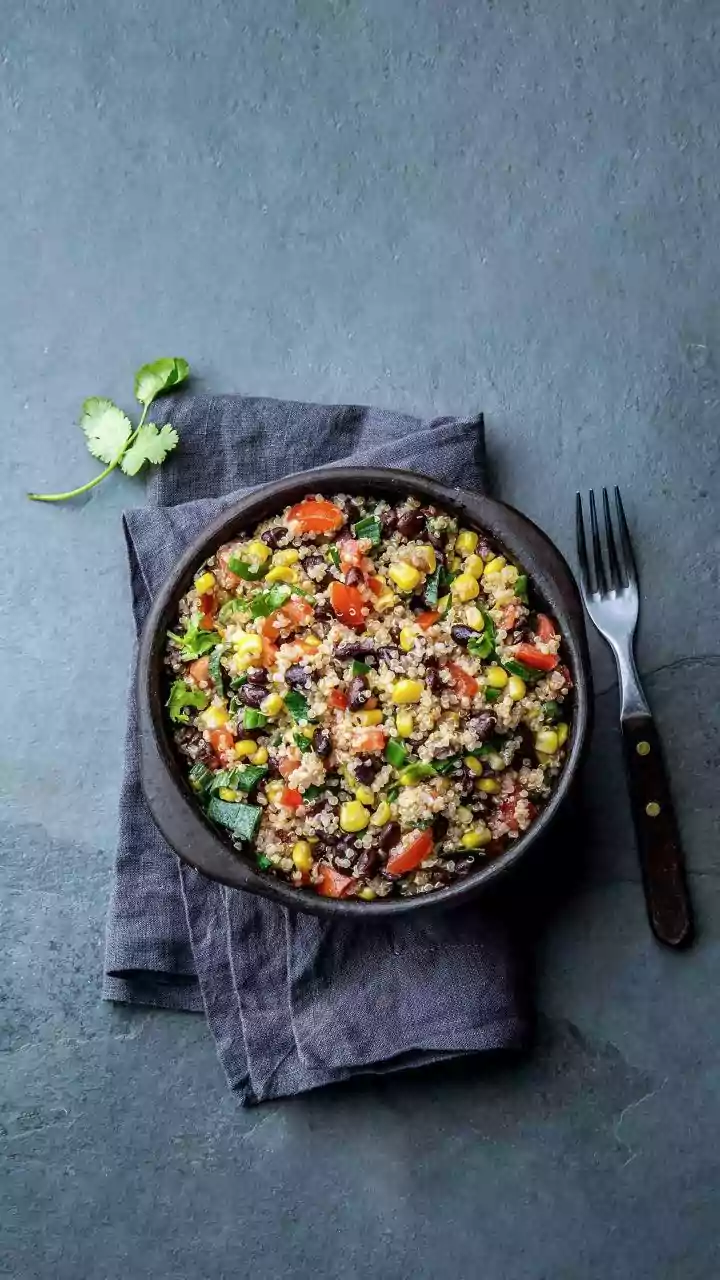
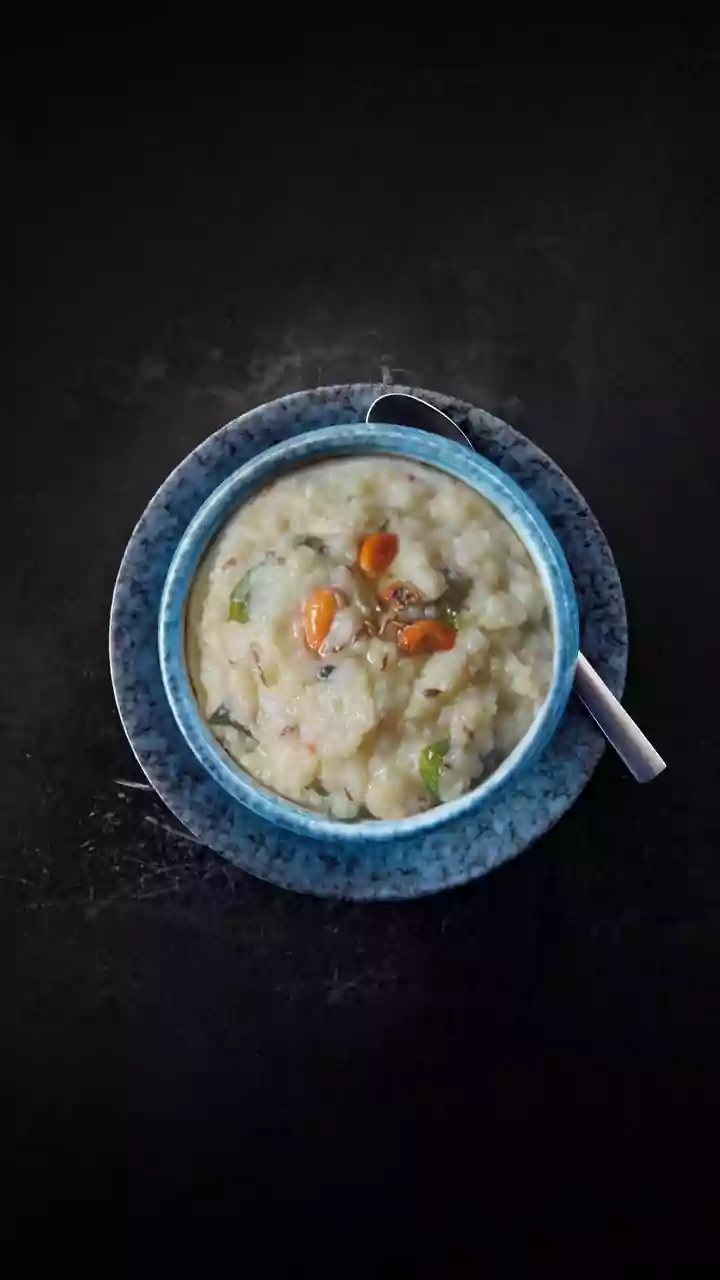
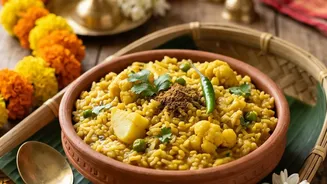
Dal is the undisputed champion of comfort and tradition in Indian cuisine. Different types of lentils, like toor, masoor, or moong, are used to create a vast array of dishes, from thick curries and soupy dals to sambar. They generally require a longer cooking time, especially if not using a pressure cooker. Quinoa, on the other hand, is known for its quick cooking time, usually ready in about 15–20 minutes. Its fluffy texture and mild, nutty flavour make it a versatile substitute for rice. It works wonderfully in salads, upmas, and pilafs, and can even be combined with dal to create a high–protein khichdi.
The Deciding Factor: Cost
For most Indian households, the price difference is significant. Lentils are a staple food, widely available and affordable, with prices generally ranging from ₹70 to ₹120 per kilogram. Quinoa, though more common now, remains a premium product. Its cost can range from ₹200 to over ₹400 per kilogram, making it three to five times more expensive than lentils. This cost difference makes lentils the clear winner for everyday nutrition on a budget. While quinoa can be a healthy addition to the diet, dal provides exceptional nutritional value for a fraction of the price.