



Meet Your Unwanted Guests: Fungus Gnats
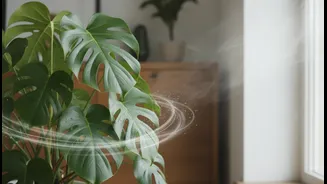
Fungus gnats are small, dark, mosquito-like insects that are a common nuisance for anyone with potted plants. While the flying adults are annoying, they don't bite or cause direct harm to your plants. The real problem lies beneath the soil. Female gnats lay
hundreds of eggs in moist, organic-rich soil. These eggs hatch into tiny, worm-like larvae that feed on fungi, decaying plant matter, and, unfortunately, the delicate root hairs of your plants. In large numbers, this larval feeding can lead to stunted growth, yellowing leaves, and a general lack of vigour in your balcony garden.
Why Your Balcony is a Gnat Paradise
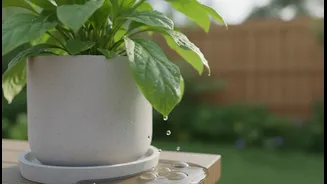
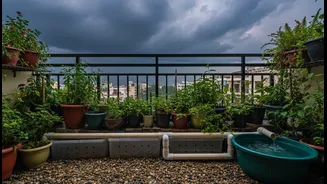
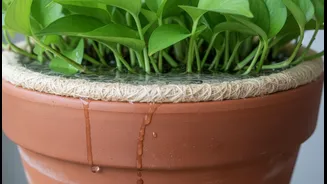
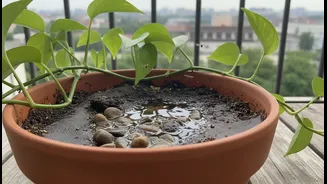
Balcony containers create a specific environment that can accidentally become a perfect breeding ground for fungus gnats. The core issue is excessive, persistent moisture. Unlike plants in a garden bed, container plants are in a closed system. Overwatering is a primary culprit, as it keeps the top layers of soil consistently damp. This is often compounded by poor drainage; if pots lack sufficient drainage holes or if they sit flat on the balcony floor, water can't escape. The saucer of water that collects underneath is then reabsorbed, keeping the root zone saturated—creating the ideal habitat for fungal growth and the gnat larvae that feed on it.
The Power of Proper Drainage
The single most effective strategy for eliminating fungus gnats is to disrupt their life cycle by targeting their breeding ground: wet soil. By improving drainage, you allow the top few inches of soil to dry out between waterings. This simple change makes the soil inhospitable for egg-laying adults and starves the larvae, effectively breaking the reproductive cycle. Good drainage isn't just about pest control; it's fundamental to plant health, preventing root rot and ensuring that roots have access to the oxygen they need to thrive. Before you reach for any chemical solution, mastering drainage is the first and most important step.
Five Low-Cost Drainage Solutions
You don't need expensive self-watering pots to solve drainage issues. Many effective solutions are cheap or even free. First, ensure every pot has multiple drainage holes; if it doesn't, you can often drill more yourself. Second, elevate your pots. Using pot 'feet,' bottle caps, or simple blocks of wood lifts the pot off the ground, allowing air to circulate and water to escape freely. Third, for pots without holes that you use as decorative cachepots, always place your plant in a plastic nursery pot inside it and empty any excess water after watering. Fourth, cover the drainage hole with a piece of mesh, a coffee filter, or a shard from a broken terracotta pot to prevent soil from clogging it. Finally, consider using a high-quality, well-draining potting mix, amending it with perlite to increase aeration.
Complementary Tactics for Gnat Control
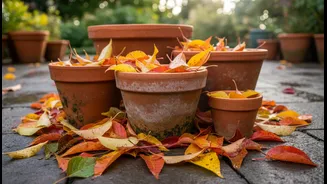
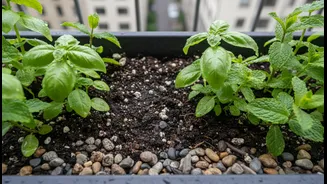
While drainage is key, a few other low-cost tactics can accelerate the demise of your gnat population. Allow the top two inches of soil to become visibly dry before you water again. This is the most crucial behavioural change you can make. To deal with the flying adults, place yellow sticky traps near your plants; these are highly effective at catching the adults and helping you monitor the scale of the infestation. You can also apply a top layer of sand or fine decorative gravel to your pots. This creates a dry barrier that discourages adult gnats from laying eggs in the soil below. Removing any fallen leaves or other organic debris from the soil surface also helps by eliminating food sources.