


The New Spice Story
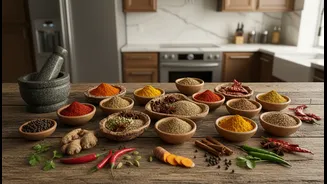
For years, the story of Indian spices in many parts of the world was simplified to a single yellow powder. But that's changing, and fast. Today, a culinary renaissance is underway, driven by chefs and home cooks who are exploring the vast and nuanced
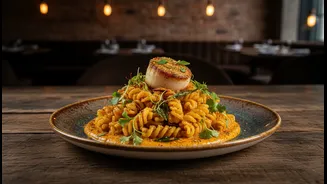
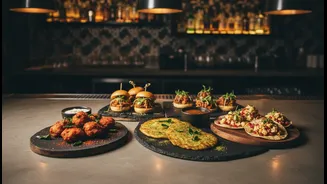
world of regional Indian masalas. This isn't just about adding a pinch of turmeric to a latte; it's a deeper, more creative engagement with India's rich spice heritage. The trend sees classic spice blends, once confined to specific regional dishes, breaking free and appearing in everything from tacos and pizzas to craft cocktails and artisanal chocolates. This movement is fueled by a new generation of Indian-American chefs connecting with their roots, global diners with adventurous palates, and the viral nature of social media, which turns dishes like butter chicken pasta into must-try phenomena.
Garam Masala Goes Global
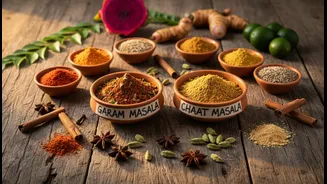
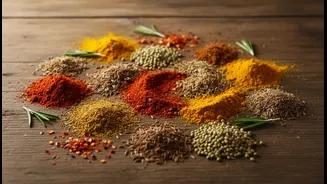
Garam masala, the quintessential warm and aromatic blend of spices like cinnamon, cloves, cardamom, and cumin, is leading the charge. Traditionally added at the end of cooking to finish North Indian curries and dals, its complex, fragrant notes are proving incredibly versatile. In contemporary kitchens, garam masala is being used as a rub for roasted chicken, a secret ingredient in barbecue sauces, and a surprising twist in desserts. Imagine spiced chocolate truffles where the warmth of the masala complements the richness of the cocoa, or a chai-infused cake that gets an extra layer of complexity from its aromatic spices. This reimagining showcases the blend's ability to provide depth and warmth to dishes far beyond its original culinary context.
The Tangy Thrill of Chaat Masala
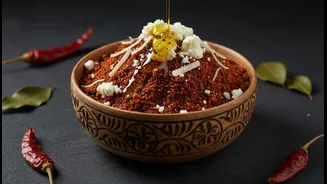
If garam masala offers a warm embrace, chaat masala delivers a tangy, funky, and utterly addictive jolt. This blend, defined by the sourness of amchur (dried mango powder) and the distinctive sulphurous kick of kala namak (black salt), is the signature flavour of Indian street food. Its purpose is to add a 'lip-smacking' finish to snacks, fruits, and drinks. Now, that unique tang is finding a home on global menus. Food lovers are discovering the magic of sprinkling chaat masala on French fries, popcorn, and even avocado toast. The blend’s ability to balance savoury, sour, and spicy notes makes it a perfect finishing spice, adding a layer of excitement to familiar comfort foods and transforming them into something new and exciting.
Exploring Regional Gems
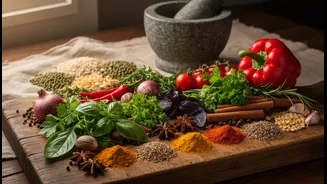
Beyond the headliners, the fusion movement is also shining a light on lesser-known regional spice blends. Panch Phoron, a Bengali five-spice blend of whole seeds like fenugreek, nigella, and cumin, is being used to temper vegetables and season roasted potatoes, offering a unique, aromatic crunch. The blend is always used whole and bloomed in oil to release its incredible fragrance before other ingredients are added. Similarly, South Indian 'podi' powders—coarse blends of roasted lentils, seeds, and spices—are being used not just with idli and dosa, but also as a crust for fish or a seasoning for roasted vegetables, adding texture and a nutty, spicy flavour. This exploration of regional specialties signals a maturing of the global palate, moving from a general appreciation of 'Indian food' to a more specific and curious engagement with its diverse culinary traditions.
A Celebration of Flavour
This fusion trend is more than a culinary novelty; it's a form of cultural storytelling. It represents a confident evolution where traditional flavours are not just preserved but celebrated and shared in new, accessible formats. By taking a familiar spice mix and applying it to a different cuisine, chefs create a bridge between cultures on a plate. It invites diners to experience the building blocks of Indian cuisine in a way that is both adventurous and comfortingly familiar. Dishes like masala mac and cheese or tandoori chicken tacos are not about replacing tradition, but about expanding its reach and proving the universal appeal of these timeless spice blends.