
A Royal Legacy Centuries in the Making
The story of Mysuru Dasara is the story of the city itself. Its origins trace back to the 15th-century Vijayanagara Empire, but it was the Wodeyar dynasty that shaped the festival into the spectacle we see today. After Raja Wodeyar I began the tradition
in Srirangapatna in 1610, the festival evolved into the 'Nada Habba' or State Festival of Karnataka. It commemorates the victory of the Goddess Chamundeshwari over the demon Mahishasura—a legend that gives Mysuru its name. What was once a private royal observance, complete with a special 'durbar' or royal assembly, has blossomed into a grand public event that still honours its regal roots, with the current Maharaja continuing the tradition of holding private ceremonies.
The City of a Hundred Thousand Lights
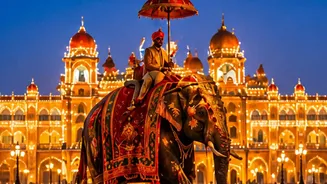
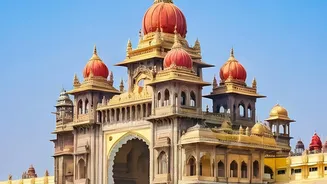
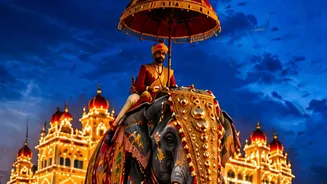
The most iconic image of Dasara is the Amba Vilas Palace, famously known as the Mysore Palace, bathed in the golden glow of nearly 100,000 light bulbs. This nightly illumination, typically from 7 PM to 10 PM during the festival, turns the architectural marvel into a fairytale vision. But the spectacle extends far beyond the palace gates. Major roads, circles, and heritage buildings across the city are adorned with dazzling lights and elaborate displays, creating an enchanting atmosphere that draws millions of visitors who come just to witness the city's transformation. For ten days, the entire city doesn't just host a festival; it becomes the festival.
The Grandeur of the Jumboo Savari
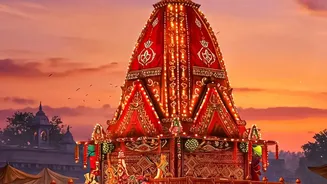
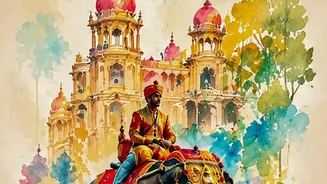
The festival culminates on the tenth day, Vijayadashami, with the world-renowned Jumboo Savari. This grand procession is the heart of the celebration, featuring caparisoned elephants, graceful horses, and marching bands. The main attraction is the lead elephant, which carries the idol of Goddess Chamundeshwari placed within a magnificent 750-kilogram Golden Howdah. The procession travels a five-kilometre route from the Mysore Palace to the Bannimantap grounds. It's a vibrant parade of Karnataka's culture, with colourful tableaux and folk-dance troupes from across the state joining the regal march, making it a powerful symbol of living heritage.
More Than Just a Procession
While the Jumboo Savari is the finale, the ten-day festival is packed with a diverse array of events. The Dasara Exhibition, a tradition that runs for months, offers everything from local crafts to amusement rides. Cultural programmes featuring renowned musicians and dancers are held daily at the illuminated palace and other venues. For food lovers, the 'Aahara Mela' food festival presents a delicious spread of local and regional cuisines. The 2026 festival, scheduled from October 11th to 21st, also includes a flower show, heritage walks, a torchlight parade at Bannimantap, and even modern spectacles like drone shows, ensuring there is an attraction for every visitor.
Planning Your Mysuru Experience
A trip to Mysuru for Dasara is an unforgettable experience, but it requires some planning. The key dates for 2026 are October 11th to October 21st, with the Jumboo Savari taking place on the final day. The festival kicks off with a puja at the Chamundeshwari Temple atop Chamundi Hills, a site central to the festival's origin story. Viewing the main procession is free along the route, but securing a good spot requires arriving hours in advance. For a more comfortable and structured experience, visitors can purchase a 'Gold Card', which provides VIP access to prime viewing areas for the Jumboo Savari and the Torchlight Parade, along with entry to other key attractions without queuing.