





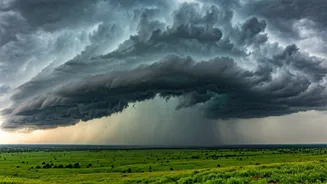


An Unprecedented Dry Spell
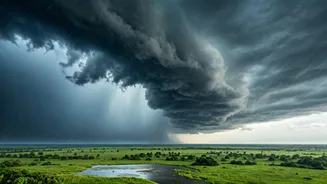
According to the India Meteorological Department (IMD), June 2024 ended with a nationwide rainfall deficit of around 20% below the long-period average. While that national figure is concerning, the regional picture is even more alarming. Vast swathes
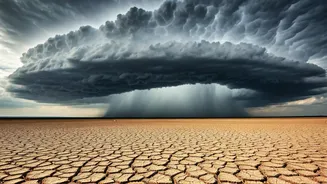
of North, West, and Central India experienced deficits ranging from 60% to 90%. This makes it one of the most significant June dry spells in the IMD’s 146-year record. The monsoon's delayed onset and sluggish progress, influenced by lingering atmospheric conditions and a lack of strong weather systems pulling the rains inland, are the primary culprits. After a brief and hopeful start over Kerala, the monsoon's advance stalled, leaving a critical portion of the country waiting for rain during a crucial sowing month.
The Direct Hit on Agriculture
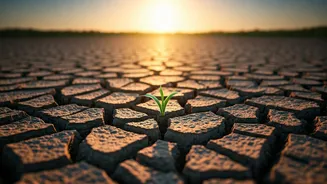
For India’s farmers, June is not just another month; it's the start of the Kharif season, when crops like rice, soybean, cotton, and pulses are sown. These crops are overwhelmingly rain-fed and account for nearly half of the country's annual food production. The delayed and deficient rains have thrown this delicate agricultural calendar into disarray. Farmers across states like Maharashtra, Madhya Pradesh, and parts of Uttar Pradesh have been forced to delay sowing or, in some cases, re-sow after initial plantings withered. The acreage for key crops is lagging significantly behind last year's figures. This delay doesn't just risk a lower yield; it also increases costs for farmers and sets the stage for potential food price inflation in the months to come.
Reservoirs and Water Security
The monsoon is not just for farming; it's the engine that refills India's lifelines—its reservoirs. These massive water bodies supply drinking water to cities, generate hydropower, and provide irrigation during dry spells. As of the end of June, water levels in India's major reservoirs were at just 20% of their total capacity, a figure significantly lower than both last year and the ten-year average. States like Andhra Pradesh, Karnataka, and Tamil Nadu are seeing critically low levels in their key reservoirs. This puts immense pressure on urban water boards to manage supplies carefully and raises concerns about power generation if the situation doesn't improve rapidly with July and August rains.
The National Response System
So, how does a nation navigate such a crisis? The response is multi-layered. At the central level, the Ministry of Agriculture has activated its crop weather watch group, which meets weekly to monitor the situation. Advisories are being issued to states, urging them to prepare contingency plans. These plans often involve promoting the cultivation of less water-intensive crops, like millets or shorter-duration paddy varieties. States are also providing subsidised seeds for these alternative crops. On a more technological front, some regions are preparing for cloud seeding operations to induce rainfall artificially, though its efficacy remains a topic of debate. The core strategy, however, relies on hope and meteorological forecasting: the hope that the monsoon will revive in July and cover the deficit, as has often happened in the past.
A Sign of a New Normal?
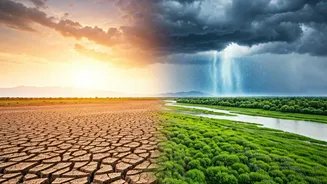
While immediate measures are focused on coping, this dry June is a powerful reminder of a larger, more unsettling trend. Climate change is making weather patterns more extreme and unpredictable. It's not just about one dry month; it’s about the increasing frequency of erratic monsoons, intense heatwaves, and sudden deluges. One of the most significant challenges for India in the 21st century will be building resilience against this volatility. This involves everything from investing in better water management infrastructure and promoting drought-resistant agricultural practices to strengthening our weather forecasting capabilities. This record-breaking June is less a freak event and more a flashing red light on the dashboard of our climate future.