






The Science of the Post-Meal Spike
Every time you eat, particularly a meal containing carbohydrates, your body breaks it down into glucose, a type of sugar that enters your bloodstream. This causes your blood sugar levels to rise, which is a normal process. In response, your pancreas releases
insulin, a hormone that helps transport this glucose from your blood into your cells to be used for energy. However, large, rapid spikes in blood sugar can, over time, contribute to health issues, including an increased risk for type 2 diabetes. Managing these post-meal, or postprandial, glucose spikes is a key strategy for long-term metabolic health.
How Walking Blunts the Spike
This is where a post-meal walk works its magic. When you engage in physical activity, your muscles require energy. To get it, they pull glucose directly from your bloodstream, effectively lowering the total amount of sugar circulating in your body. This action helps to flatten the blood sugar curve, preventing the dramatic peaks and subsequent crashes that can leave you feeling tired. Think of it as giving the glucose from your meal an immediate job to do, rather than letting it linger in the blood. This process also improves your body's sensitivity to insulin, meaning the hormone can do its job more efficiently.
Why 15 Minutes is the Sweet Spot
You don't need a strenuous, hour-long workout to reap the benefits. Research shows that even short walks of 10 to 15 minutes can make a significant difference. Some studies suggest that several short walks after each meal can be more effective for 24-hour glucose control than one single, longer walk. The ideal time to start moving is within 30 to 60 minutes after finishing your meal, as this is when blood sugar levels typically begin to peak. The key is consistency and light to moderate intensity; a gentle stroll is enough to activate your muscles and initiate the glucose uptake process without causing digestive discomfort.
The Link to Digestion and Soreness
The benefits extend beyond just blood sugar. A light walk after eating stimulates the digestive system, promoting what is known as peristalsis—the wave-like muscle contractions that move food through your gastrointestinal tract. This can help alleviate common post-meal complaints like bloating, gas, and indigestion. The term 'soreness' can be interpreted in a few ways. For general stiffness, improved circulation from walking can help. Regular light activity also helps reduce systemic inflammation, which is a contributor to chronic aches. While it may not erase intense muscle soreness from a tough workout, a gentle walk improves blood flow, which is crucial for muscle recovery and can help ease general feelings of physical sluggishness.
Making the Post-Meal Walk a Habit
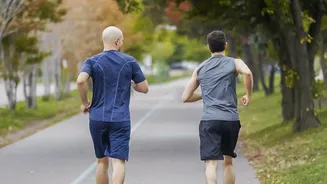
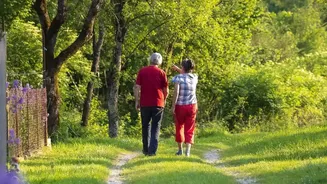
Integrating this practice into your life is simpler than it sounds. If you're at the office, a quick walk around the building or up and down a few flights of stairs will suffice. At home, a stroll around the block after dinner can become a relaxing daily ritual. You could walk the dog, take a family member with you, or simply listen to a podcast. The goal is to make it an automatic part of your routine, just like brushing your teeth. Start with just five or ten minutes and build from there. The ease and accessibility of this habit are what make it so sustainable and powerful in the long run.