







More Than Just a Gut Feeling
For years, fibre’s reputation was unfairly tied to just one thing: keeping you regular. While that’s certainly a perk, the modern understanding of fibre is far more exciting. Think of it less as a digestive aid and more as the master fuel for your gut
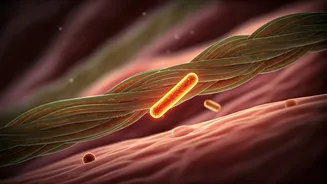
microbiome. [11] This bustling community of trillions of microorganisms in your gut influences everything from your immune system and mood to your long-term risk of chronic diseases. [21, 10] When you feed these microbes the fibre they love, they produce beneficial compounds like short-chain fatty acids, which nourish your colon wall and have anti-inflammatory effects throughout your body. [16, 27] The real flex, then, isn't just about digestion; it's about cultivating a thriving internal ecosystem that supports your overall health from the inside out. [20]
The Two Faces of Fibre
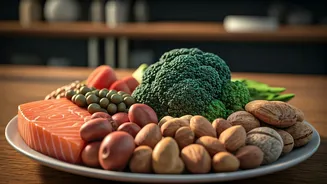
Not all fibre is created equal, but both main types are heroes in their own right. Soluble fibre dissolves in water to form a gel-like substance. [7] Found in foods like oats, beans, apples, and nuts, it’s a champion at slowing digestion. [3, 1] This helps prevent blood sugar spikes and can make you feel fuller for longer, which is great for weight management. [4, 12] It also binds to cholesterol particles, helping to usher them out of the body and supporting heart health. [1, 10] Insoluble fibre, on the other hand, doesn't dissolve. [2] It adds bulk to stool and helps things move along smoothly, preventing constipation. [6] You'll find it in whole grains, nuts, and vegetables like leafy greens and corn. [1, 3] Most plant-based foods contain a mix of both, which is why a varied diet is key. [2]
Why 2026 Is Fibre’s Year
The focus on fibre in 2026 isn't random; it reflects a broader shift in wellness culture. [22, 24] We're moving away from expensive, exclusive trends and embracing accessible, science-backed strategies for better health. With growing awareness of the gut-brain connection and the importance of metabolic health, fibre has emerged as a powerful, democratic tool. [26, 29] It's not a quick fix or a restrictive diet but a sustainable habit. Experts point to a renewed interest in gut health and a pushback against highly processed foods as major drivers. [26] As people seek to take control of their long-term health, increasing fibre intake is one of the most effective and evidence-based steps you can take. [29, 30]
How to 'Flex' Your Fibre Practically
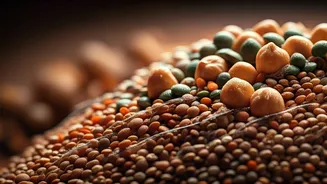
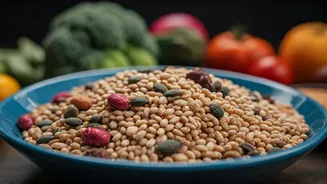
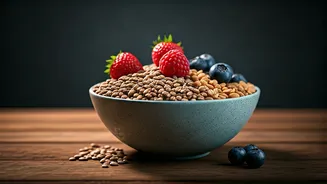
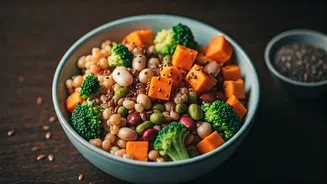
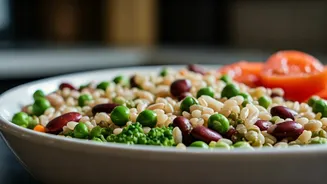
Upping your fibre intake doesn't require a complete dietary overhaul. The key is to add, not just subtract. Start by making small, consistent swaps. [19] Choose wholemeal bread instead of white, or brown rice over white. [5] Begin your day with a high-fibre breakfast like porridge or a whole-wheat cereal. [18] Make pulses like beans, lentils, and chickpeas a regular feature in your meals—add them to salads, stews, and curries. [15] Aim to include vegetables with every lunch and dinner, and don't peel your potatoes, apples, or carrots, as the skin is a great source of insoluble fibre. [3] Snacking on a handful of unsalted nuts, seeds, or a piece of fruit is another easy win. [5, 18] The goal is to gradually increase your intake to give your digestive system time to adjust. [19]