







The 'Less is More' Philosophy
When we talk about 'tacky, rugged mountain routes,' we're describing trails that demand agility. These could be steep scrambles in the Sahyadris or exposed traverses in Uttarakhand where you need to use your hands and maintain a low centre of gravity.
On this terrain, a heavy, feature-laden backpack becomes a liability. Every extra kilogram requires more energy, and every bulky pocket can snag on rocks or branches. The core principle is this: your backpack should feel like an extension of your body, not a cumbersome piece of luggage. Choosing a 'basic' and 'light' pack is a conscious decision to prioritise mobility, balance, and safety over unnecessary bells and whistles.
Weight: The Number One Priority
The single most important factor is the base weight of the pack itself. Traditional hiking bags, with their rigid internal frames, adjustable harnesses, and thick padding, can weigh over 2 kg before you even put anything inside. In contrast, lightweight and ultralight packs are engineered to be featherlight, often weighing under 1 kg. They achieve this through two main avenues: minimalist design and advanced materials. Look for packs made from fabrics like Dyneema Composite Fabric (DCF) or high-denier Robic nylon, which offer incredible strength-to-weight ratios. The design philosophy is to strip away anything that isn't essential. This might mean a frameless design or a simple, removable foam pad that doubles as a sit-mat.
Volume: Pack for Agility, Not a Holiday
A larger bag tempts you to fill it. For rugged day hikes, a pack in the 20-30 litre range is more than enough to carry water, snacks, a rain jacket, and a first-aid kit. This smaller size keeps the load compact and close to your back, preventing it from shifting and affecting your balance during dynamic movements. For multi-day treks on technical routes, challenge yourself to fit everything into a 40-50 litre pack. This forces you to adopt an ultralight mindset, carefully selecting lightweight gear and multi-purpose items. A smaller, well-packed bag is far safer and more comfortable on a steep ascent than a half-empty 70-litre behemoth.
The 'Basic' Features That Matter
Minimalist doesn't mean uncomfortable or impractical. A good basic pack focuses on a few key features that genuinely enhance the experience on a tough trail. First, comfortable shoulder straps are non-negotiable. They should be lightly padded and ergonomically shaped. Second, a simple sternum strap is crucial for stability, preventing the straps from slipping. Third, look for large, stretchy outer pockets. A big mesh pocket on the front is perfect for stashing a wet rain jacket, while deep side pockets should be easily accessible for water bottles without you having to take the pack off. Finally, a simple webbing hip belt (or even no hip belt on smaller packs) provides stability without adding the bulk and weight of a heavily padded one.
Features to Avoid for Rugged Routes
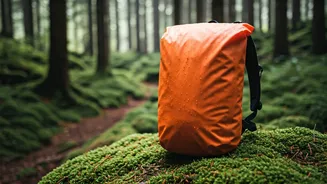
To keep weight and bulk down, it's just as important to know what to avoid. Steer clear of packs with multiple zippered compartments and internal dividers; a single main 'bucket' style compartment is lighter and more versatile. Avoid complex, heavy-duty suspension systems designed for carrying massive loads—they are overkill and add unnecessary weight. Integrated rain covers can be handy, but they add weight; a simple, lightweight pack liner or dry sack is often a better solution. Similarly, excessive compression straps, gear loops, and floating top lids (the 'brain' of the pack) all contribute to a heavier, more complex system that can work against you when you need to be nimble.