

Master Your Vegetable Prep
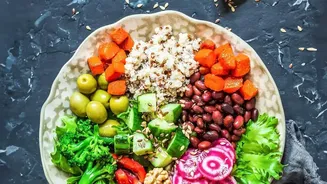
Leafy green vegetables like spinach and cabbage, which grow close to damp soil, can carry significant dirt and microbes. During the rains, the risk of contamination from waterlogged soil increases. The Food Safety and Standards Authority of India (FSSAI)
advises washing all vegetables thoroughly under clean, running water before cooking. For leafy greens, it's best to cook them completely rather than consuming them raw in salads to eliminate any lingering pathogens. Some experts also suggest a rinse with salt water as an extra precaution before cooking.
Rethink Your Street Food Cravings
As tempting as hot pakoras and chaat are on a rainy day, street food is a major source of foodborne diseases during the monsoon. Open-air stalls are exposed to contaminated water, dust, and flies, which can easily transfer germs. Items like golgappas, pre-cut fruit salads, and roadside juices are particularly risky because the water used is often unfiltered and may be contaminated. If you must indulge, opt for vendors who cook food fresh to order at high temperatures and maintain visible hygiene standards. A safer alternative is to prepare your favourite snacks at home using purified water and clean ingredients.
Handle Meat and Seafood with Care
The high humidity during the monsoon accelerates the spoilage of meat and seafood. This is also the breeding season for many fish, which can affect the quality and freshness of the catch available. To stay safe, purchase meat and fish only from reputable, clean suppliers. Store it in the coldest part of your refrigerator and cook it within a day or two. Ensure meat is cooked to a safe internal temperature to kill any harmful bacteria. Cross-contamination is another risk; always use separate cutting boards and utensils for raw meat and cooked foods.
Prioritise Safe Water and Beverages
Waterborne diseases like cholera, typhoid, and gastroenteritis see a sharp rise during the monsoon due to the increased chance of sewage mixing with water supplies. Never drink tap water directly. Health authorities recommend either boiling water for at least one minute or using a reliable RO water purifier. Be cautious of ice in drinks from outside, as it is often made from unsafe tap water. Stick to bottled water or beverages you have prepared at home.
Upgrade Your Food Storage Habits
Food spoils much faster in damp weather. The FSSAI advises against leaving cooked food at room temperature for more than two hours. All perishable items and leftovers should be refrigerated promptly in airtight containers, preferably below 5°C, to prevent bacterial growth. The FSSAI also recommends a specific monsoon practice: cleaning your fridge thoroughly inside and out and defrosting it every two weeks. This helps control moisture buildup, which can become a breeding ground for mould and bacteria inside the refrigerator itself.
Avoid Risky Raw Foods
Raw foods carry a higher risk during the monsoon. This includes not just salads but also raw sprouts, which are grown in warm, moist conditions ideal for bacteria like E. coli and Salmonella to thrive. It is always safer to steam or cook sprouts before eating them. Likewise, avoid pre-cut fruits sold by street vendors, as they are exposed to the humid air and potential contamination for long periods. It's better to buy whole fruits, wash them at home, and slice them just before you plan to eat.
Boost Your Immunity Through Diet
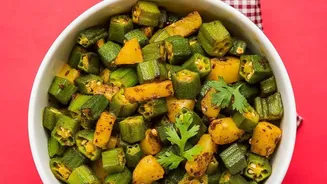
While hygiene is key, a strong immune system offers an extra layer of defence. Incorporate immunity-boosting foods into your daily meals. Herbal teas made with ginger, tulsi, and honey can be soothing and help strengthen immunity. Including probiotic-rich foods like fresh curd and buttermilk can promote good gut health, which is essential for digestion and fighting off infections. Also focus on seasonal vegetables that grow above ground, such as bottle gourd (lauki) and bitter gourd (karela), which are less likely to be contaminated by waterlogged soil.