





What's Sizzling on Social Media?
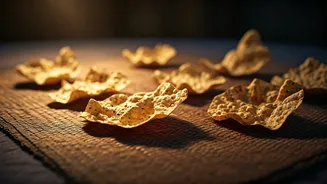
If your social media feed has recently featured mesmerising videos of colourful rice batter being piped into intricate patterns, left to bake under the harsh summer sun, and then deep-fried into puffy, white crisps, you're not alone. The humble sandige,
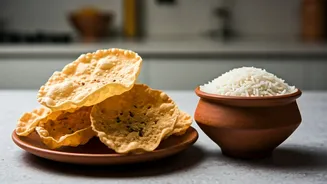
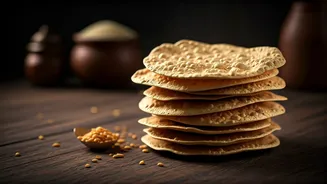
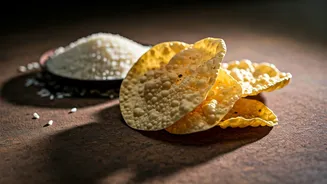
a type of sun-dried papad made from rice, has become an unlikely star on platforms like Instagram. Content creators from across India are showcasing this age-old technique, transforming what was once a common household activity into compelling digital content. The appeal is undeniable: the rhythmic piping of the batter, the patient process of sun-drying, and the final, satisfying sizzle as the papad explodes into shape in hot oil. It’s a visual feast that taps into a collective sense of nostalgia and culinary curiosity.
The Magic of Frugal Cooking
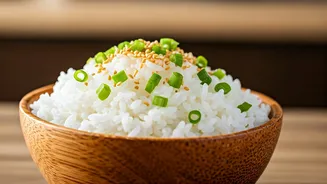
At its heart, the sandige is a testament to the zero-waste philosophy that has defined Indian kitchens for generations. It is a brilliant, delicious solution to a perennial problem: what to do with leftover cooked rice. Instead of being discarded, the rice is given a second life. It’s mashed, seasoned, and transformed into a snack that can be stored for months. This practice is particularly common during the peak summer months, when the intense heat provides the perfect natural dehydrator. In homes across South India, terraces and courtyards are often adorned with sarees or plastic sheets covered with these drying crisps, a sight that evokes memories of summer holidays and a grandmother's resourcefulness. The trend's viral nature shows a renewed appreciation for this sustainable, age-old wisdom.
From Simple Paste to Crispy Delight
Making sandige is a process that requires patience more than complex skill. The basic method involves overcooking rice with excess water until it becomes a thick, porridge-like slurry or 'ganji'. This starchy base is then cooled and seasoned. The flavour combinations are endless, but classic additions include salt, asafoetida (hing), cumin seeds (jeera), and green or red chillies. Some recipes call for a dash of lemon juice for tang or even sago (sabudana) for extra crispiness. Once the mixture is ready, it’s traditionally piped by hand or spread with a spoon onto a plastic sheet or cloth. The crucial step is the sun-drying, which can take two to three days, depending on the intensity of the sun. Once completely dry and brittle, they are stored in airtight containers, ready to be fried into a light, airy snack to accompany a meal or be enjoyed on its own.
A Tour of India's Sun-Dried Delights
While the name 'sandige' is popular in Karnataka, this culinary craft has different names and subtle variations across regions. In Tamil Nadu, they are known as 'arisi vathal,' where the rice batter might be flavoured with buttermilk. In Andhra Pradesh and Telangana, you'll find 'biyyam vadiyalu,' which are often spicier. The shapes also vary. While some are simple, round droplets, others are piped into intricate, noodle-like coils ('murukku' press) or star shapes. Beyond rice, the same technique is applied to other ingredients like ash gourd (boodida gummidikaya vadiyalu) or urad dal. Each variation tells a story of local ingredients and tastes, showcasing the incredible diversity within a single culinary concept. The Instagram trend has helped bring these regional nuances to a national audience, creating a virtual map of India's sun-dried treasures.
Why We're Obsessed With This Trend
The resurgence of sandige papads isn't just about a pretty video. It represents a deeper cultural shift. In an era of instant gratification and ultra-processed foods, the slow, deliberate process of making sandige feels authentic and grounding. It’s a connection to our roots, a tangible piece of culinary heritage that can be recreated in a modern kitchen. For many, watching these Reels evokes powerful nostalgia for childhood summers spent at their grandparents' homes. For others, it’s an inspiring DIY project that’s both sustainable and rewarding. The trend celebrates simplicity, resourcefulness, and the joy of creating something delicious from scratch. It’s a reminder that sometimes, the most 'viral' ideas are the ones that have been quietly perfected over generations.