







Why Humidity Is Chutney’s Biggest Enemy
High humidity is the perfect breeding ground for microscopic organisms that ruin our food. Moisture in the air provides the ideal environment for bacteria, mould, and yeast to thrive. These microbes feed on the ingredients in your chutney, causing it to spoil,
change in texture, and develop off-flavours. During the monsoon, when the air is thick with moisture, this process accelerates dramatically. Even a few hours on the countertop can be enough for these unwelcome guests to start multiplying, turning your delicious creation into a potential health hazard. The water content within the chutney itself, combined with the external humidity, creates a perfect storm for rapid spoilage.
Not All Chutneys Are Created Equal
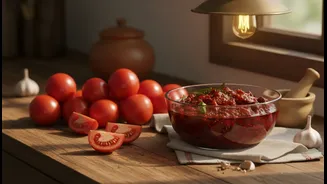
Understanding what type of chutney you have is the first step towards proper storage. They generally fall into three categories. First are the fresh, uncooked chutneys like coriander-mint or coconut. Made with raw ingredients and high in water content, these are the most perishable. Next are cooked chutneys, such as those made from tomato or tamarind. The cooking process reduces some moisture and kills initial bacteria, giving them a slightly longer shelf life. Finally, there are preserves and pickles, like a traditional mango chutney, which often contain higher amounts of natural preservatives like sugar, salt, vinegar, or oil. These are the most stable but still require care once opened.
Tips For Storing Fresh Chutneys
For fresh chutneys, speed and cold are your best friends. These should always be refrigerated immediately in a clean, dry, airtight container. Exposure to air is a major cause of spoilage, so a tight-fitting lid is non-negotiable. To extend their life for a few more days, consider adding a little extra lemon juice or vinegar; the acidity creates an inhospitable environment for bacteria. For longer-term storage, the freezer is your best option. A brilliant hack is to pour the chutney into an ice cube tray. Once frozen, transfer the chutney cubes to a freezer bag. This allows you to thaw small, single-serving portions as needed, keeping the rest perfectly preserved for months.
Storing Cooked and Preserved Chutneys
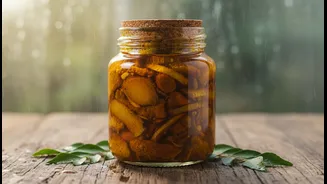
Cooked chutneys and preserves have more staying power, but they are not invincible. A critical rule is to let the chutney cool down completely before transferring it to a jar and sealing the lid. Storing it while still warm traps steam, which turns into condensation and invites mould. Always use sterilised glass jars for storage; you can do this by boiling them in water or running them through a hot dishwasher cycle, ensuring they are completely dry before use. Once a jar is opened, store it in the refrigerator and always use a clean, dry spoon to serve. Dipping a used spoon back into the jar can introduce bacteria and moisture, drastically shortening its shelf life.
How To Spot Spoilage
Your senses are your best guide to determining if a chutney has gone bad. The rule is simple: when in doubt, throw it out. Never taste something you suspect is spoiled. Visible signs of spoilage include any mould growth, which can appear as white, black, or greenish fuzzy spots on the surface. Other red flags are an off-putting or sour smell, a change in colour, or a slimy texture. If you notice bubbling or if the lid of the jar appears swollen, it's a sign of gas production from microbial activity, and the chutney should be discarded immediately. Trust your instincts; it’s always better to be safe than sorry.