





The Perfect Blend of Eras
The 2011 squad was a masterclass in team construction. It wasn't just a collection of talented individuals; it was a seamless blend of battle-hardened veterans and fearless young guns. At one end, you had the calming presence and unparalleled experience
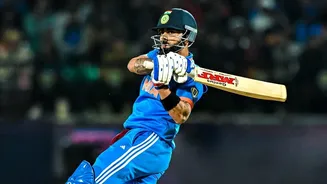
of Sachin Tendulkar, playing in his sixth and final World Cup. Alongside him were explosive openers like Virender Sehwag and a pace attack led by the wily Zaheer Khan. At the other end was the new generation: a young Virat Kohli, getting his first taste of World Cup glory, and Suresh Raina, ready to provide impetus in the lower order. This balance ensured that the team had both the wisdom to handle pressure and the youthful energy to challenge opponents.
The Yuvraj Singh Redemption Arc
No story from that tournament is more heroic than that of Yuvraj Singh. He was, without a doubt, the tournament's most valuable player. With the bat, he scored 362 runs, including a crucial century and four fifties. With the ball, he was a revelation, chipping in with 15 vital wickets. His all-round performance won him four Man of the Match awards. What makes his contribution truly legendary is that he achieved all of this while battling an undiagnosed cancerous tumor. His grit, especially in the quarter-final chase against defending champions Australia, where he scored a match-winning 57 not out, was the backbone of India's campaign.
Clutch Performances Under Pressure
Big finals are won by players who stand up when it matters most. After losing Sehwag and Tendulkar early in the final, India's chase of 275 was in jeopardy. Gautam Gambhir stepped up, anchoring the innings with a masterful 97, an innings of immense character that stabilised the chase. His 109-run partnership with MS Dhoni was the turning point of the match. Dhoni, in a stroke of tactical genius, promoted himself up the order ahead of the in-form Yuvraj to counter Sri Lanka's spinners. He then finished the game in the most iconic way possible, remaining unbeaten on 91 and sealing the victory with a historic six.
A Calm Leader and a Calmer Coach
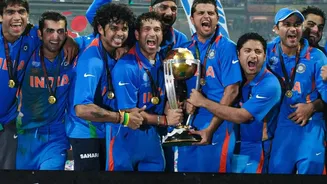
Captain MS Dhoni’s leadership was a study in composure. Throughout the tournament's high-pressure moments, his calm demeanor was a constant. But behind the scenes, another figure played a pivotal role: coach Gary Kirsten. The South African had spent three years building a secure and positive dressing room environment. His man-management skills were exceptional, allowing star players to flourish without the weight of external pressure. Players often speak of the sense of calm and unity Kirsten fostered, a crucial ingredient that had been missing in previous campaigns. The players famously carried him on their shoulders after the win, a sign of the immense respect they held for him.
An Overarching Emotional Purpose
Beyond tactics and talent, the team was united by a powerful emotional goal: to win the World Cup for Sachin Tendulkar. It was the one trophy that had eluded the master batsman throughout his storied career. Virat Kohli's words after the final summed it up perfectly: "He's carried the burden of the nation for 21 years, so it's time we carried him on our shoulders." This singular focus gave the team a higher purpose. They weren't just playing for a trophy; they were playing for their hero, on home soil, in what would be his final World Cup appearance. This emotional charge provided an extra layer of motivation that proved unstoppable.