






What is This New AI Tool?
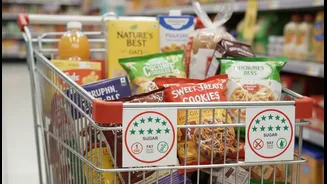
The National Institute of Nutrition (NIN) is creating an AI-powered platform, likely a bot or web-based search engine, to help people make more informed decisions about their diet. The primary goal is to tackle the rising consumption of pre-packaged foods
and the connected increase in non-communicable diseases like diabetes and hypertension. Users will be able to search for a specific food product or brand and get detailed information about its nutritional profile. This initiative involves collaboration with existing platforms, like the app 'TruthIn', which has already indexed over 75,000 food products to help consumers understand ingredients and processing levels.
The Promise of Personalised Nutrition
The core appeal of such a tool is personalisation. Instead of generic advice, the AI aims to provide tailored guidance. For instance, some tools can analyse a photo of your meal to assess nutrient intake or allow you to scan a barcode for instant product analysis. The system is built on a scientific database of foods sold in India, using data from ICMR and NIN food composition tables. This promises to give users a powerful way to track macro and micronutrients, identify hidden additives in packaged foods, and ultimately support healthier eating habits that are specifically relevant to Indian dietary patterns. The long-term vision is to create a valuable resource for researchers and policymakers to track nutritional trends across the country.
Verification 1: Understand the Data's Scope
An AI is only as good as the data it's trained on. While the NIN tool aims to be comprehensive, India's culinary diversity is immense. Early versions of AI nutrition apps, often trained on Western diets, struggle with regional Indian meals and portion sizes. Before relying on the tool, verify if its database truly represents your local cuisine. Does it understand the difference between a Hyderabadi biryani and a Kolkata-style biryani? Does it account for home cooking versus restaurant-prepared meals? The data is primarily based on packaged food labels, which is a great start, but may not fully capture the nuances of traditional, unpackaged foods that form a large part of the Indian diet.
Verification 2: Factor in Your Personal Health Context
An AI model, no matter how advanced, does not have your complete medical history. It may not be aware of specific allergies, intolerances, or underlying health conditions. For example, studies have shown that some AI-generated diet plans can be unsafe, such as recommending almond milk for someone with a nut allergy. Others might suggest foods that are not optimal for conditions like diabetes or kidney disease without providing necessary warnings. The recommendations are generated based on algorithms and prompts, not a holistic understanding of you as an individual. Therefore, any significant dietary change suggested by the tool should be cross-checked with your personal health needs.
Verification 3: Look Beyond Just Calories
Some studies on AI diet planners have found that they can create imbalances. For instance, AI-generated plans have sometimes been found to recommend lower carbohydrate and energy intake than required, especially for growing adolescents, while being higher in fats. Nutrition is more complex than a simple calorie count; it involves the balance of macronutrients, the adequacy of micronutrients (vitamins and minerals), and the quality of the food source. The ICMR-NIN's own 'My Plate for the Day' guide emphasizes variety from multiple food groups. Ensure the AI's advice aligns with this principle of a balanced, diverse diet rather than focusing on a single metric or popular diet trends.
Verification 4: Use It as a Guide, Not a Guru
The developers and nutrition experts themselves advise caution. These AI tools are designed to be educational and complementary aids, not replacements for professional medical and dietary counseling. Think of the AI as a very knowledgeable assistant that can help you read labels, compare products, and track intake. It can empower you to ask smarter questions and have more informed conversations with your doctor or a registered dietitian. Especially for those with pre-existing health conditions, or for vulnerable groups like children and pregnant women, the advice of a qualified human expert remains indispensable.