


The End of the Single-Purpose Room
For generations, the layout of a typical Indian home was predictable: a living room for guests, a bedroom for rest, and a kitchen for cooking. Each space had a fixed purpose. But for today's Millennial and Gen Z renters, this model feels increasingly
outdated. They are championing a new approach where adaptability is key. A living room is no longer just for show; it must also function as a workspace during the day and a home theatre at night. The bedroom isn't just for sleep; it might need to accommodate a workout corner or a reading nook. This demand for versatility is at the heart of the flexible design trend. It’s about making every square foot work harder, driven by a lifestyle that is more dynamic and less predictable than ever before.
The WFH Revolution and Its Aftermath
The most significant catalyst for this change was, unsurprisingly, the massive shift to remote and hybrid work. The pandemic forced an entire generation to rethink their living spaces overnight. A corner of the bedroom or a spot on the dining table became a makeshift office, exposing the limitations of traditional home design. As hybrid work models become a permanent feature of the professional landscape, renters are no longer willing to make do. They are actively seeking out homes that can comfortably accommodate a dedicated workspace without sacrificing living areas. This means demanding layouts with distinct zones, good lighting, and acoustic separation, turning the 'study-cum-office' from a luxury into a necessity.
More Than Just a Home Office
While work-from-home is a major driver, the desire for flexibility extends far beyond the professional realm. The home has become the primary venue for almost every aspect of life. Hobbies, fitness routines, and social gatherings are all happening within the same four walls. A young renter might need space for a yoga mat in the morning, a canvas and easel in the afternoon, and hosting friends in the evening. This has fueled demand for multi-functional spaces that can transform to suit the moment. Young Indians are looking for homes that support their holistic well-being and personal growth, not just a place to reside between office hours. This mindset treats the home as an active environment that supports a dynamic, multifaceted lifestyle.
Modular and Movable: The Furniture That Adapts
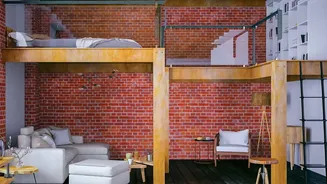
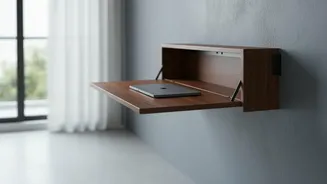
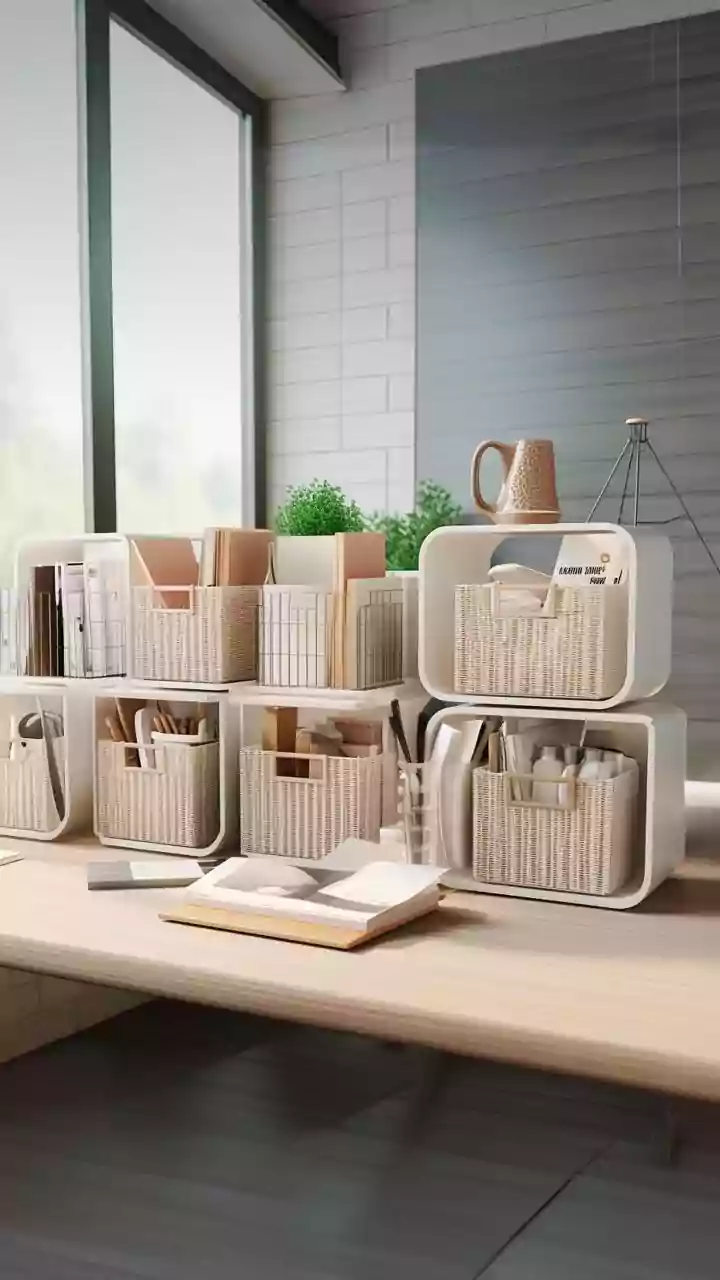
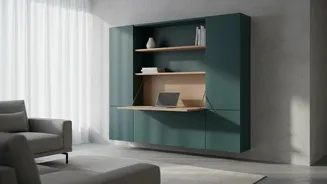
This shift in mindset is having a huge impact on the furniture market. Renters, who are naturally more mobile, are investing in solutions that can adapt and move with them. The market for modular furniture in India is growing rapidly, with consumers seeking pieces that offer customisation and functionality. Think sofa beds that transform a living room into a guest room, expandable dining tables, and foldable desks that disappear when the workday is over. Storage has also become smarter, with an emphasis on vertical shelves, hidden cabinets, and nested tables that maximise utility in compact urban apartments. These pieces aren't just practical; they empower renters to personalise and reconfigure their space without making permanent, costly changes.
How the Market is Responding
Landlords and real estate developers are beginning to take notice of this powerful trend. With younger generations expected to make up the majority of new homebuyers and renters by 2030, their preferences are shaping the market. Some property owners are offering semi-furnished apartments with modular components, while others are highlighting flexible layouts in their listings. Newer developments are being designed with smaller, smarter floor plans that eliminate wasted space and incorporate features like open kitchens and larger balconies. The focus is shifting from sheer size to intelligent design that supports a modern, hybrid lifestyle, indicating that flexible homes are not just a passing trend, but the new standard for urban living in India.