

Beyond Pure Practicality
For years, the unwritten rule of monsoon decorating in India has been simple: function over form. The focus was on lightweight, breathable, and quick-drying fabrics like cotton and linen. The logic is sound, aiming to fight the pervasive dampness and musty
odours that come with high humidity. Heavy drapes, thick rugs, and plush upholstery were packed away, replaced by their airy counterparts. This purely practical approach ensured homes remained fresh and easy to maintain. However, as decor sensibilities evolve, a new desire is taking hold—the need for a home that not only stays dry but also feels emotionally warm and serves as a true sanctuary from the often gloomy, grey weather outside.
The Psychology of Monsoon Coziness
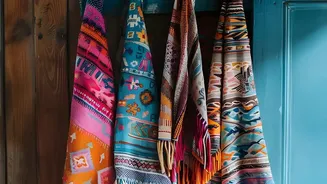
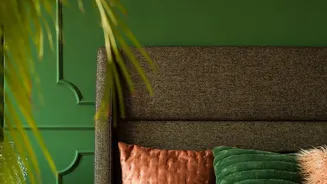
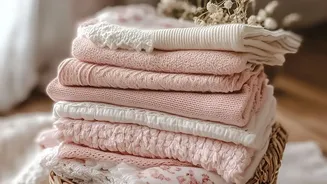
The shift is towards creating a cozy, comforting atmosphere, a concept similar to the Scottish 'Còsagach' or the Danish 'Hygge'. When the world outside is grey and wet, the human spirit craves warmth, texture, and a sense of enclosure. This is where fabrics traditionally deemed unsuitable for the season, like velvet, wool blends, and chunky knits, are finding a new, strategic role. They are being used to add layers of visual and tactile warmth that thin, flat cottons simply cannot provide. A single velvet cushion or a soft, knitted throw on the arm of a sofa can instantly make a room feel more inviting, offering a psychological buffer against the relentless rain. It’s a move from merely surviving the monsoon to truly embracing the opportunity to slow down and get comfortable.
Strategic Use Is the Secret
Embracing this trend does not mean swapping out all your sensible cottons for moisture-absorbing materials. The key is strategic and limited use. Think of these slow-drying fabrics as potent spices in your decor recipe—a little goes a long way. This isn’t about velvet curtains or thick wall-to-wall carpeting. Instead, it’s about introducing these textures in small, manageable doses. Consider a pair of velvet cushion covers on a living room sofa, a small wool-blend dhurrie in a low-traffic area, or a plush throw draped over an accent chair in your reading nook. These items are used for their aesthetic and emotional impact on pieces of furniture that don’t require daily, heavy use or frequent washing, making them beautiful accents rather than functional liabilities.
Managing Moisture Like a Pro
The success of using richer fabrics during the monsoon hinges entirely on smart management to prevent mold and mustiness. Ventilation is your first line of defense; opening windows and using fans to circulate air whenever it isn't raining is crucial. For rooms with plush accents, a dehumidifier can be a game-changing investment, actively pulling moisture from the air. Traditional methods also work wonders. Placing camphor balls or silica gel sachets in cupboards and near textiles can help absorb excess humidity. It's also vital to ensure these fabrics never sit damp. If a throw or cushion gets wet, it needs to be dried thoroughly and immediately. Regular airing on dry, sunny days can also help keep them fresh.
Creating a Symphony of Textures
The ultimate goal is to create a balanced space that feels both airy and cozy. To achieve this, contrast your plush, slow-drying accents with lighter elements. Pair a velvet cushion with crisp cotton or linen upholstery. Place a textured rug on a bare, polished floor. Let sheer curtains that allow light and air to pass through hang at the windows, even if a heavier throw is on the sofa. This interplay of textures—smooth with rough, light with heavy, sheer with opaque—creates a dynamic and sophisticated interior. It acknowledges both the practical needs of the season and the heart's desire for a warm, inviting haven to come home to.